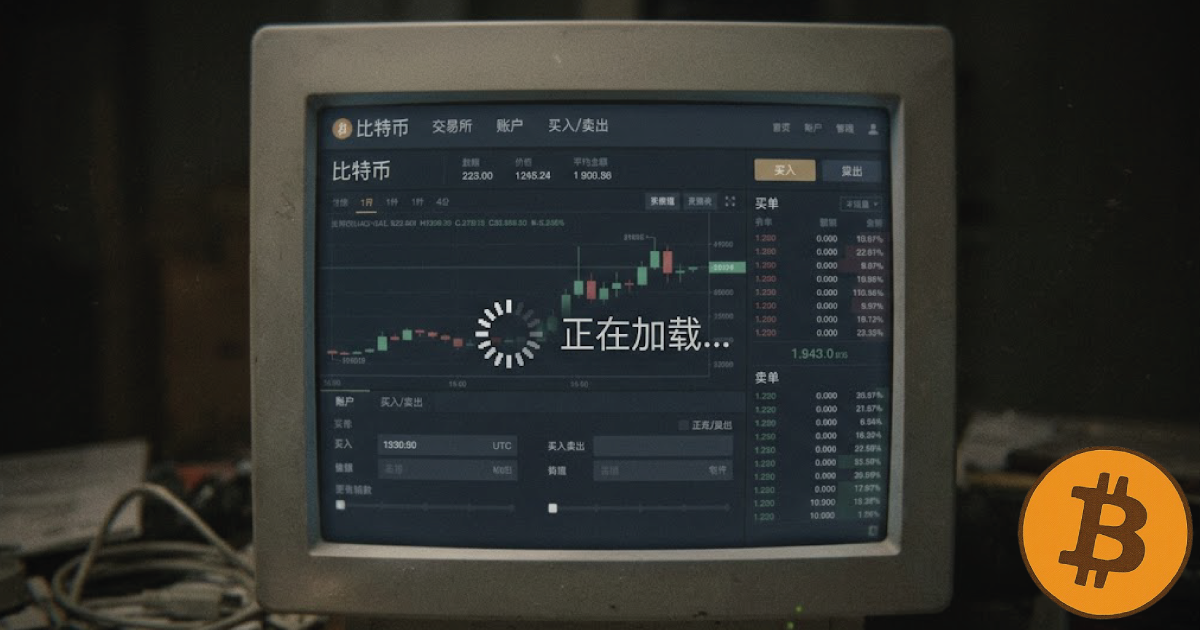
The year is 2013. The price of Bitcoin has surged past a thousand dollars for the first time in history, and the world outside the tech community is finally looking up from its newspaper, blinking in disbelief. The forums are erupting. Reddit threads are moving faster than anyone can read them. And somewhere in the middle of all that noise, a generation of early bitcoin adopters, cypherpunks, and anonymous coders who built something from nearly nothing are watching history unfold in real time, from their dusty laptops and IRC channels.
Most of those stories are gone now. Buried under a decade of price charts, institutional press releases, and hype cycles that turned a quiet digital revolution into a headline commodity.
That is what Bitcoin Nostalgia was created to prevent. This archive exists to preserve the culture, the chaos, the humor, and the humanity of those early days before the suits arrived.
This timeline is your time capsule. It is the story of bitcoin nostalgia rendered not in candlestick charts, but in forum posts, human panic, and quiet wonder.
2008–2010: The Whitepaper and the Quiet Genesis
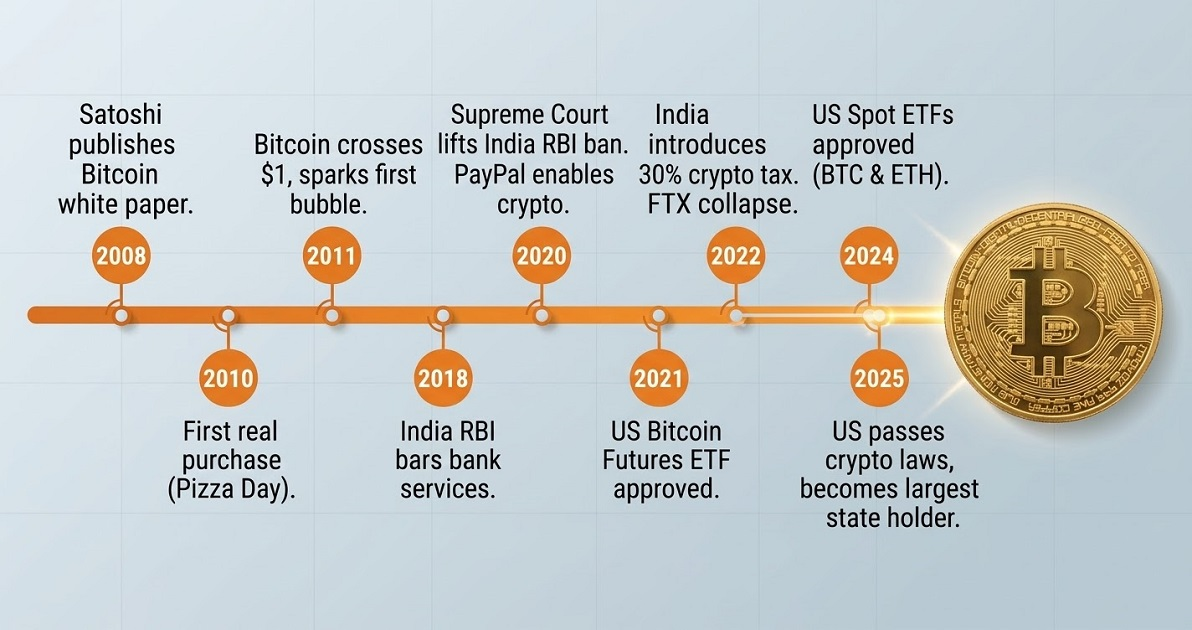
On October 31, 2008, a person — or a group, nobody has ever been certain — published a nine-page document to a cryptography mailing list.
The subject line was simple: Bitcoin: A Peer-to-Peer Electronic Cash System. The author signed it Satoshi Nakamoto.
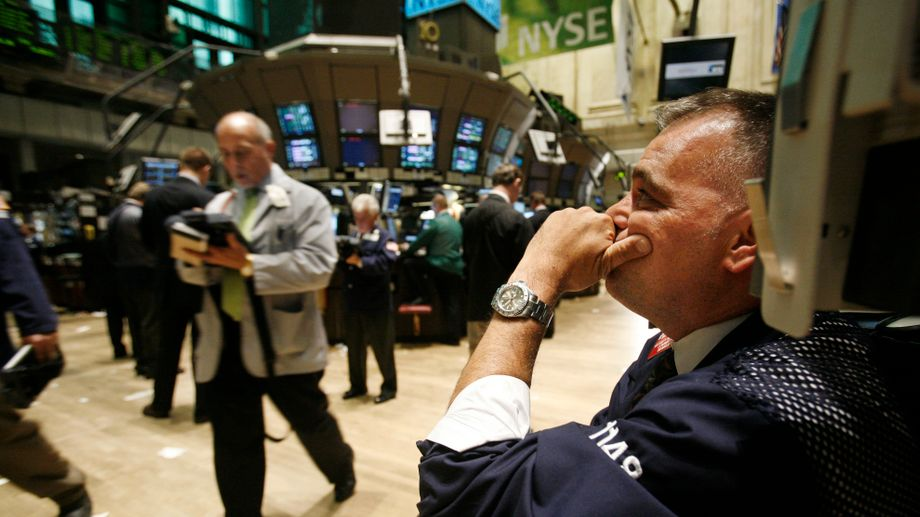
Very few people outside a niche community of cypherpunks and cryptography researchers even noticed. The world was in the middle of a global financial collapse. Banks were failing. Trust in centralized financial systems was at a historic low.
And yet, most of the world missed it entirely.
January 3, 2009: The Genesis Block
On January 3, 2009, Satoshi mined the very first block of the Bitcoin blockchain. It is now known as Block 0, or the Genesis Block.
Embedded inside the coinbase of that first block was a message lifted directly from a British newspaper headline that day: The Times 03/Jan/2009 Chancellor on brink of second bailout for banks.
It was a quiet statement. Almost a whisper. But anyone paying attention could read the subtext clearly. This was not just a technology experiment. This was a declaration.
May 22, 2010: The Pizza That Became a Legend
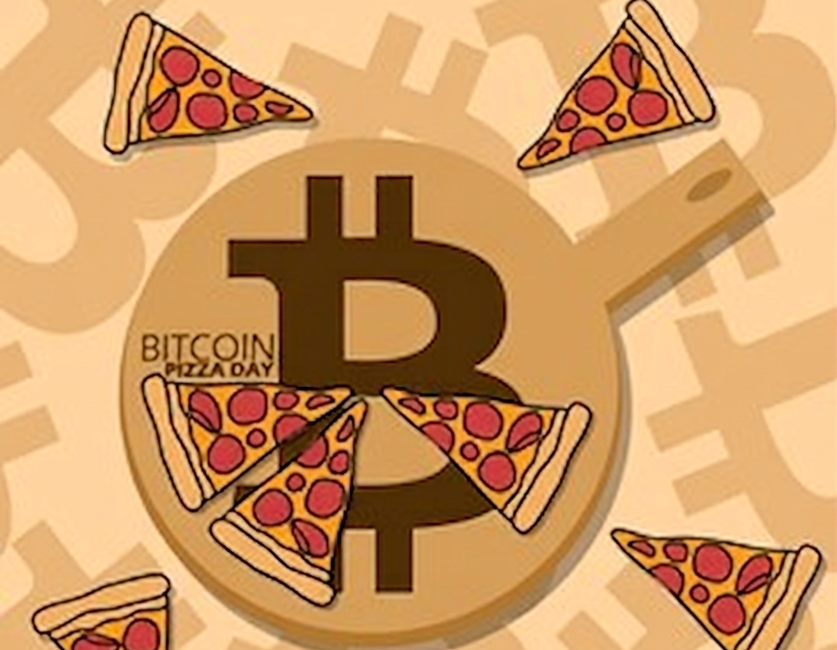
On May 22, 2010, a programmer named Laszlo Hanyecz made what is recorded as the first real-world commercial transaction using Bitcoin. He paid 10,000 BTC for two pizzas, in what is now documented in the original Bitcointalk thread.
To this day, the original bitcoin community celebrates May 22 as Bitcoin Pizza Day. Not because of the dollar value the coins would later represent, but because that transaction proved something critical: Bitcoin was not just an idea. It could move as real currency.
Nobody celebrated it that day. Nobody understood it yet. That is part of what makes the memory so bittersweet.
2011–2012: The Underground Movement Finds Its Voice
By 2011, Bitcoin had a heartbeat. It had a forum, a growing community, and its first brush with mainstream infamy. That year, the price briefly touched one US dollar per coin for the first time.
And then it climbed to thirty dollars. And then it crashed back down to two.
Early bitcoin adopters who had been mining on home computers and trading in small amounts got their first real lesson in volatility. Some left. Most stayed.
The Rise of Bitcointalk
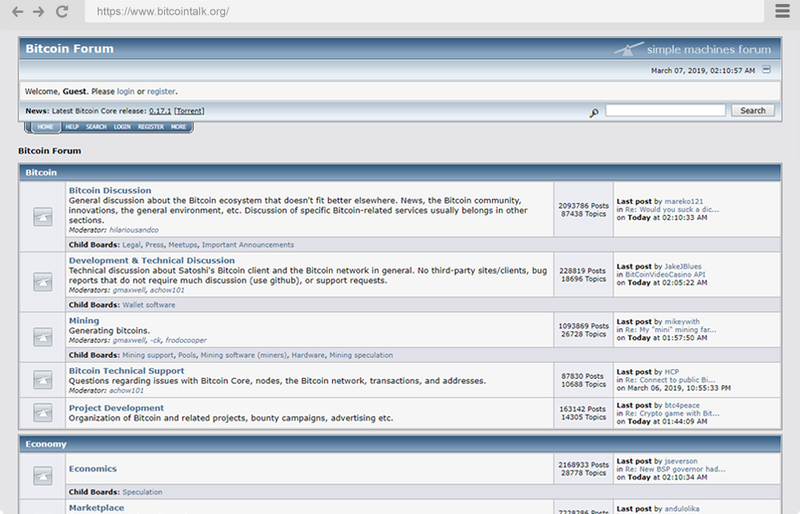
The Bitcointalk forum became the living room of the original bitcoin community. It was where Satoshi had first posted publicly. Where developers debated protocol changes in threads that could run for hundreds of pages. Where early miners bragged about their rigs and complete strangers tried to figure out what they were building together.
There was a famous thread where someone offered 10,000 BTC to anyone who could order him a pizza. That thread launched Bitcoin Pizza Day. Bitcointalk was that kind of place. Equal parts technical forum, digital campfire, and unregulated bazaar.
From the Archive
The Genesis Era: A Comprehensive Guide to Bitcoin's Early Days and Technological Origins →For the full story of Bitcoin's technological and cultural foundations, from the genesis block to the first global wave of recognition.
The Silk Road and the Shadow of Controversy
In early 2011, a marketplace called Silk Road launched on the dark web. It used Bitcoin exclusively as its currency.
This was the moment that fractured public perception. To the mainstream press, Bitcoin became the money of the internet's black market. To those who had been following the cypherpunk movement, the controversy was more complicated.
This is a history many prefer to gloss over. But the Bitcoin Nostalgia archive documents the genesis era honestly, because the shadow of Silk Road shaped public policy, regulatory fear, and the cultural identity of Bitcoin for years afterward. The full story deserves to be told with context, not censorship.
2013: The Year the World Started Asking Questions
I remember 2013 clearly. Not because I was wealthy enough to be part of it financially, but because I was watching from close enough to feel the temperature of the room change.
Nostalgic Moment
At that time, only people in the tech world really knew about Bitcoin. After the media started talking about it, everything shifted. I remember a close friend of mine, a doctor with no connection to technology or finance forums, pulling me aside one afternoon and asking: “What is BTC? Can you even withdraw it from an ATM?” That question stopped me cold. If a doctor was asking, it meant the story had left the underground and entered the world.
That moment stuck with me for years. It was the clearest signal I ever had that something irreversible was happening.
In early 2013, Bitcoin's price was sitting below fifteen dollars. By December of the same year, it had crossed one thousand dollars for the first time in history. The mainstream financial press was in a state of collective confusion. Some called it a bubble. Some called it the future. Almost none of them had read the whitepaper.
Cyprus and the Banking Crisis Connection
In March 2013, the Cypriot government announced it would levy a tax on bank deposits as part of a bailout deal. Citizens could not trust their own banks to hold their savings.
Almost overnight, people outside the crypto world began searching for alternatives. Bitcoin, the stateless, borderless digital currency that answered to no central bank, suddenly made a different kind of sense to a much wider audience.
It was not a coincidence. The original bitcoin community had built this technology with exactly this kind of moment in mind.
The First Media Frenzy
By mid-2013, mainstream outlets from TIME Magazine to the BBC were running their first serious Bitcoin features. Most of them got significant technical details wrong. The cultural history of those early media portrayals is a fascinating archive of confusion, condescension, and occasional genuine curiosity.
The early bitcoin adopters who had spent years in forums and IRC channels watched the coverage with a mixture of pride and frustration. The story was finally being told. Just not always accurately.
2014: The Mt. Gox Collapse and the Day Trust Shattered
If 2013 was the year Bitcoin was introduced to the world, 2014 was the year the world learned it could still be broken.
Mt. Gox had been the dominant Bitcoin exchange since the early days. At its peak, it processed over seventy percent of all global Bitcoin transactions. It was imperfect, under-resourced, and run with a kind of optimistic naivety that was both charming and catastrophic.
February 2014: The Collapse
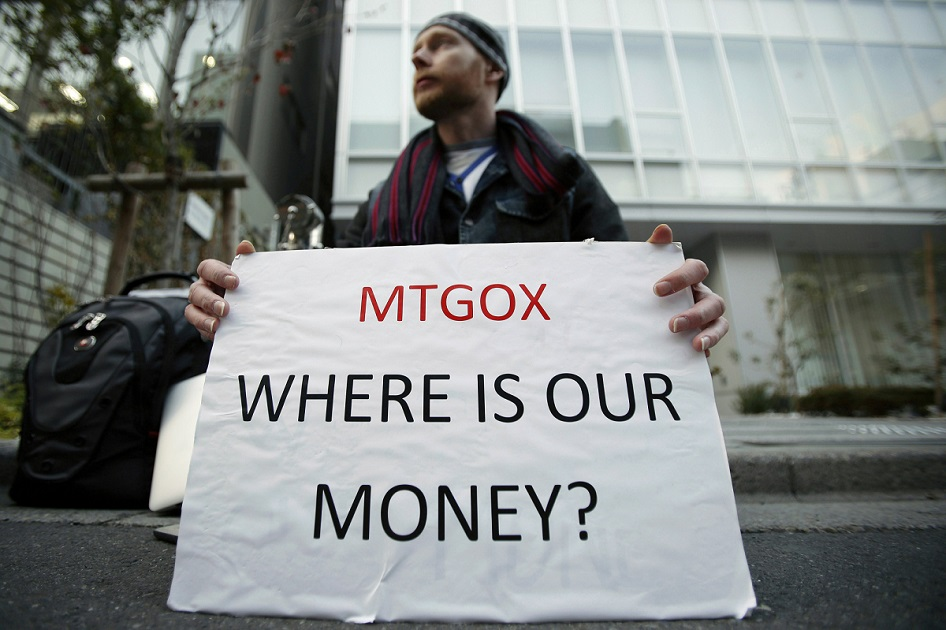
On February 24, 2014, Mt. Gox suspended all trading. Shortly after, it filed for bankruptcy protection in Japan. The exchange had lost approximately 850,000 bitcoins belonging to its customers. At the time, that represented hundreds of millions of dollars.
For those who had stored their coins on the exchange, it was devastating. For those watching from the outside, it was a moment of profound grief. Something that had felt like a movement suddenly felt fragile.
The forums went dark with shock. The threads that had been buzzing with excitement only months before were now filled with loss, anger, and a question nobody wanted to answer: was any of it real?
The Movement That Survived
What followed the Mt. Gox collapse is as important as the collapse itself. The original bitcoin community did not disband. They regrouped.
Developers doubled down on the principle that was supposed to prevent exactly this kind of catastrophe: not your keys, not your coins. The value of decentralization, of self-custody, of the technology itself, had never been more clear.
Bitcoin had survived its most public crisis. The movement had bent but not broken.
2015–2021: From Niche Underground to Global Institution
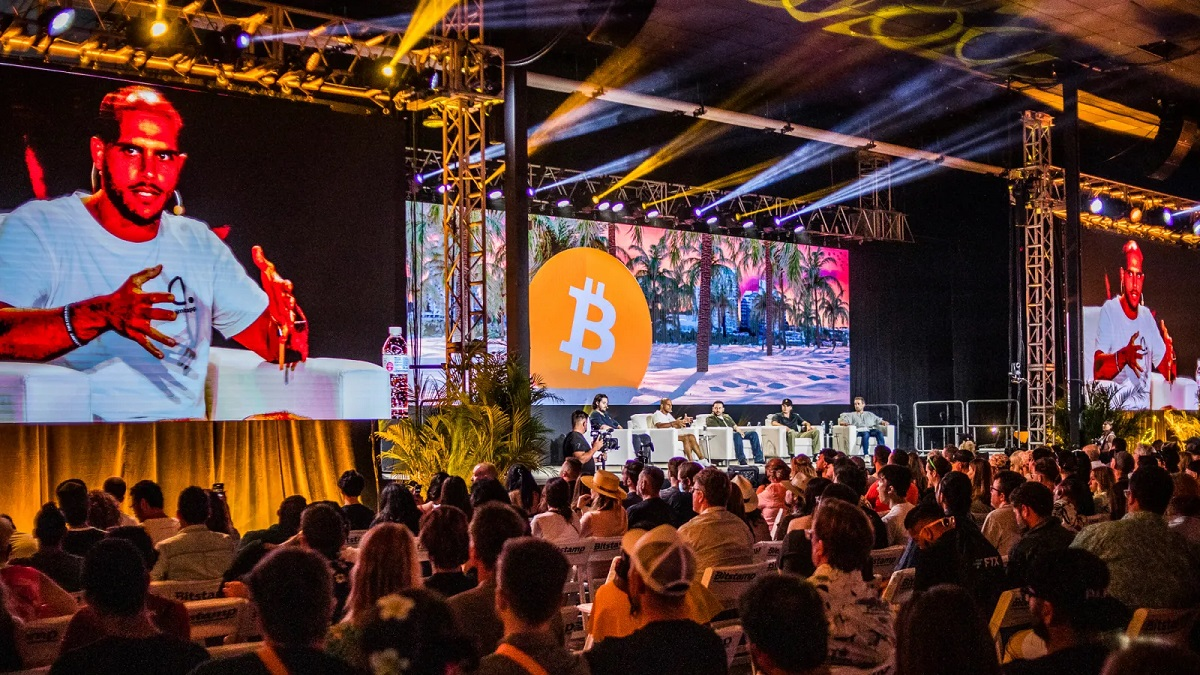
The years between 2015 and 2017 were a period of rebuilding and expansion. The price had crashed from its 2013 highs. New developers were joining the ecosystem. The blocksize debate — a technical argument about how many transactions Bitcoin could process per second — had become a full cultural civil war inside the community.
Those who had been there from the beginning were watching something they had built by hand become something much larger than any of them had anticipated.
2017: The World Joins In
By late 2017, Bitcoin had become a household name in a way that 2013 had only hinted at. Entire families were discussing it at dinner tables. Taxi drivers were asking about it. Financial commentators who had spent years dismissing it were quietly changing their tone.
The original bitcoin community watched with a complicated mix of vindication and concern. The principles that had governed the early days — decentralization, self-sovereignty, censorship resistance — were being buried under a flood of speculation and quick profit narratives.
2020–2021: The Institutional Era
The final act of Bitcoin's transformation from underground experiment to global financial instrument came in 2020 and 2021. Public companies began adding Bitcoin to their corporate treasury reserves. Financial giants that had dismissed the technology a decade earlier were now offering it to their clients.
It was a validation that had taken a decade to arrive. And yet, for many who had been there at the beginning, it carried a quiet melancholy. The cypherpunk campfire had become a boardroom.
Archive note
Then came 2017. The ICO boom. The first wave of mainstream media saturation. Newcomers arrived by the millions, many of whom had never heard of Bitcointalk, had no interest in cypherpunk philosophy, and knew Bitcoin only as an asset class. The culture wars that followed transformed the online spaces that had once felt like a shared home into something louder, more fractured, and more commercial.
The full arc of that cultural transformation, from the memes of early Bitcointalk to the press conferences of 2021, is one of the most important stories in internet history. It is one this archive is dedicated to preserving. Explore the cultural history of Bitcoin nostalgia for a deeper look at how the memes, language, and internet lore of those early years defined the movement.
Bitcoin nostalgia is not about mourning the past. It is about preserving it, so that the human story of these early days is not lost forever.
FAQ: Common Questions About Bitcoin's Early History
Who were the early bitcoin adopters?
The earliest adopters of Bitcoin were primarily cryptographers, open-source developers, libertarian technologists, and cypherpunks. These were people who had been reading privacy-focused digital currency proposals for years before Satoshi's whitepaper arrived. They were not wealthy speculators. They were idealists who believed that money could be redesigned from first principles.
What made the original bitcoin community unique?
The original bitcoin community operated almost entirely online, across forums like Bitcointalk, IRC channels, and early subreddits. There was no company, no CEO, and no marketing team. The community was self-organizing, openly argumentative, and deeply ideological. The debates about Bitcoin's direction that started in those forums in 2011 and 2012 still echo through today's development culture.
Why does the Mt. Gox collapse matter for bitcoin nostalgia?
The Mt. Gox collapse in February 2014 was the first major catastrophic failure that tested the resilience of the Bitcoin ecosystem. It is remembered not just as a financial disaster but as a cultural inflection point. It forced the community to revisit the core principles of decentralization and self-custody that had motivated Bitcoin's creation in the first place.
What is Bitcoin Pizza Day and why is it celebrated?
Bitcoin Pizza Day, observed on May 22 each year, commemorates Laszlo Hanyecz's 2010 purchase of two pizzas for 10,000 Bitcoin — the first known real-world commercial transaction using Bitcoin. The early community celebrates it not because of the hindsight absurdity of the price, but because it represents the moment Bitcoin proved itself as a functional, usable currency. The pizza transaction was a proof of concept delivered by an ordinary person, not a whitepaper.
Where can I find archival records from the early bitcoin era?
The Wayback Machine at archive.org hosts captures of early Bitcointalk threads and Bitcoin-related websites from 2009 onward. The Bitcointalk forum itself still exists and retains threads going back to the earliest days. This archive and the linked articles throughout this piece are dedicated to contextualizing those raw records within their cultural and historical moment.
Keep the Memory Alive
These stories are not in textbooks. They exist in forum archives, in the memories of people who were there, and in small corners of the internet that are slowly disappearing.
Bitcoin Nostalgia exists to be that corner. Not a trading platform, not a price tracker, just an honest, human record of what it felt like to watch something extraordinary happen in slow motion.
If these stories matter to you, whether you were there or you simply believe they deserve to be preserved, this archive runs on community support.
Support Bitcoin Nostalgia
If you lived Bitcoin's early days or simply want to ensure these stories are not lost to time, help keep this memory archive alive. Every satoshi goes directly into preserving these records — no investors, no sponsors, just the community keeping its own history alive.
bc1qu6v3m430v9ca0kxm3qk8cewcwukmfpf5rqakrj
Keep the memory alive. — Angel Salvador Dominguez, Founder & Chief Archivist, Bitcoin Nostalgia
Disclaimer: This article is a historical and cultural archive. Nothing in this publication constitutes financial advice, investment guidance, or price speculation. Bitcoin Nostalgia is a memory archive, not a financial publication. All historical references are based on publicly available records, archived forum posts, and documented community history. Sources include archived Bitcointalk threads, the original Bitcoin whitepaper, and records preserved through the Wayback Machine.