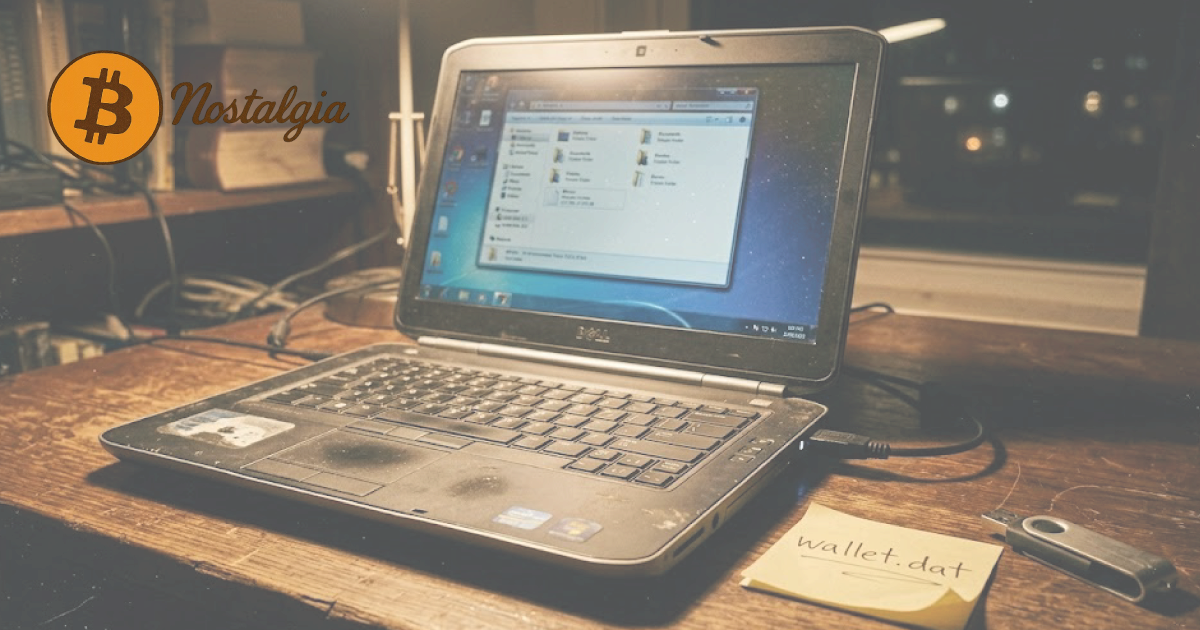
There was a time before the institutional era. Before the Wall Street headlines, before the ETF approvals, before the mainstream money moved in. Bitcoin lived entirely inside text files on hard drives that people routinely forgot to back up.
Nobody warned them. There was no customer service line. There was no “Forgot your password?” link. There was only a string of characters, an early piece of open-source software, and the assumption that you would remember.
Most of them did not.
The stories of early bitcoin wallets, the chaotic history of the first exchanges, and the staggering human cost of lost keys are disappearing behind price charts and market analysis. The culture, the panic, the amateur mistakes of an era that changed finance forever deserve a place in the archive.
This is that archive. A piece of authentic bitcoin nostalgia reconstructed from forum threads, digital timestamps, and the quiet memories of the people who were there. The complete history of what it meant to “hold” Bitcoin before holding it was something anyone celebrated.
If you want to understand where the wallets and the exchanges came from, the full context lives in The Genesis Era: A Comprehensive Guide to Bitcoin’s Early Days and Technological Origins. What follows here is the chapter on what happened after the coins appeared: the tools, the gambles, and the grief.
The Birth of the Bitcoin Wallet: Before Custody Was a Word Anyone Used
Bitcoin-Qt and the wallet.dat File
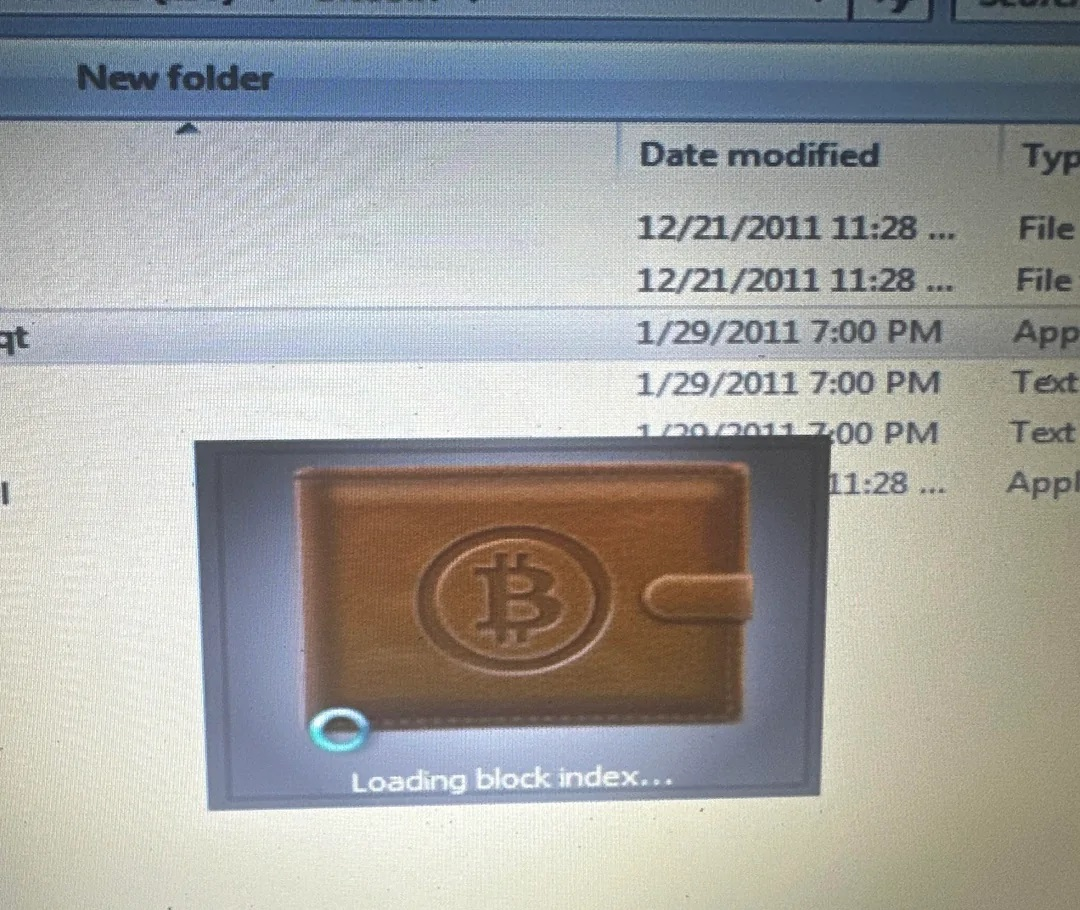
When Satoshi Nakamoto released the Bitcoin software in January 2009, the wallet was not a sleek app. It was a single file named wallet.dat, stored locally on your machine. That was it. One file. Yours to keep, yours to lose.
Bitcoin-Qt, the original client, was functional in the way early internet software was functional: it worked, technically, for people who already understood what they were doing. For everyone else, it was a minefield of quiet hazards.
A reformatted hard drive, a failed migration, a laptop tossed away — any of these was enough. The coins did not move. They simply became unreachable, sealed behind a cryptographic wall that no government, no company, and no court order could open.
Paper Wallets and the Art of Trusting Yourself
By 2011, the community had developed an answer to the risks of software wallets: print your keys on paper. Literally. A document with a public address and a private key, folded and stored somewhere physical.
It was elegant in its simplicity and terrifying in its fragility. House fires, flooded basements, coffee spills, and overzealous spring cleaning claimed thousands of paper wallets that nobody ever catalogued.
Forum threads from 2011 and 2012 on Bitcointalk are still there, archived like dispatches from another world. People carefully describing lamination techniques. Debates about fireproof safes. Someone asking whether a photocopy was as secure as the original.
The community was building its own banking system from scratch, with no playbook and no safety net, learning in public.
The Exchanges That Built the Wild West
Mt. Gox: From Magic the Gathering Cards to Millions in Bitcoin
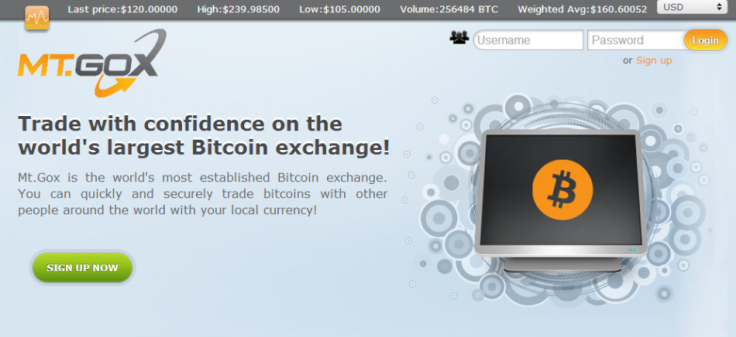
The name Mt. Gox does not stand for what most people assume. It is an acronym: Magic the Gathering Online eXchange. Jed McCaleb built the platform in 2007 to trade collectible cards. By 2010, he had repurposed it to trade Bitcoin and sold it to Mark Karpeles, a French developer based in Tokyo.
At its peak, Mt. Gox handled roughly 70 percent of all Bitcoin transactions in the world. Let that settle. Seven out of every ten Bitcoin trades passed through a platform that began as a card game marketplace, now run by a small team in a Tokyo office above a ramen shop.
Users sent real money and real Bitcoin to that exchange with real trust. The infrastructure behind it was never designed to carry that weight.
From the Archive
When the Archive Burned: The Impact of Mt. Gox on Early Bitcoin User Sentiment and Bitcoin Nostalgia →A deep dive into what the Mt. Gox collapse did to the people who lived through it — the grief, the anger, and the quiet resolve that rebuilt the community.
Bitcoinica and the Era of Reckless Trust
Mt. Gox was not alone. Bitcoinica launched in 2011 as a leveraged trading platform for Bitcoin, built almost entirely by a single 17-year-old developer, Zhou Tong, in his spare time.
It was hacked twice in 2012. Hundreds of thousands of dollars in Bitcoin were stolen. The platform collapsed. The community raged on forums. And then, slowly, they moved on to the next exchange, built by the next group of idealists who were certain they had solved the security problems.
This was the pattern of the early exchange era: trust extended too fast, infrastructure too thin, and losses absorbed with the grim stoicism of people who believed the underlying idea was still worth the casualties.
The Lost Keys: Stories That Haunt the Blockchain
James Howells and the Landfill Fortune
In 2013, James Howells, an IT worker in Newport, Wales, accidentally threw away a hard drive. The drive contained the private keys to a wallet holding 8,000 Bitcoin, coins he had mined in the early days when mining was something you could still do on a laptop.
The drive ended up in a local landfill. Howells has spent years trying to convince the Newport City Council to allow him to excavate the site, offering to share a percentage of any recovered funds. As of the time of writing, the answer has remained no.
The coins are still there. Somewhere under tons of compacted waste in South Wales, a fortune in cryptographic keys sits unreachable, sealed not by code but by bureaucracy and compacted earth.
Stefan Thomas and the IronKey Countdown
Stefan Thomas, a German-American programmer, had 7,002 Bitcoin stored on an IronKey hardware wallet. He had written the password down, then lost the paper. An IronKey allows ten password attempts before permanently encrypting and destroying its contents.
By the time the story broke publicly in early 2021, he had used eight of those attempts. Two guesses remained.
He told The New York Times that he had made peace with it. That acceptance, earned through years of sitting with an impossible situation, is one of the most human stories the entire era produced.
Nostalgic Moment: The Night I Watched a Forum Thread Change Someone’s Life
Nostalgic Moment
“I want to be careful here. I was never one of the people whose life changed. I watched from the edge of the crowd, the way you watch a parade from a side street, close enough to hear the music but not inside it.”
It was sometime in late 2012. I was reading a thread on Bitcointalk, a forum I had been quietly haunting for a couple of years by then. Someone had posted asking for help recovering an old wallet they had nearly forgotten about.
The replies came in fast. Developers, volunteers, complete strangers debugging the problem in real time. Within a few hours, the thread had turned into a minor rescue operation. They got the wallet open.
The user typed something simple in response. Something like: “I cannot believe this worked.” And then they disappeared from the thread.
I think about that thread sometimes. About the coins that were in it, worth a fraction then of what they would become. About the person on the other end of that keyboard, in some apartment somewhere, staring at a number on a screen.
I never invested. Financial circumstances I will not detail here made that impossible during the years that mattered most. But I was there, reading. And there is a particular kind of bitcoin nostalgia that belongs to the witnesses, the ones who watched it happen and carried the memory forward.
That thread is what I carry.
The Collapse That Rewrote the Rules: Mt. Gox’s Final Hours
By early 2014, Mt. Gox was quietly falling apart. Behind the scenes, the exchange had been hemorrhaging Bitcoin for years. A bug in how the platform handled transaction confirmations, what the technical community called transaction malleability, had allegedly been exploited to drain funds.
On February 7, 2014, Mt. Gox halted all Bitcoin withdrawals without a public explanation. The community immediately sensed something catastrophic. Forum threads filled with speculation, then panic, then something quieter and worse: resigned certainty.
On February 24, 2014, the Mt. Gox website went dark. A leaked internal document suggested the exchange had lost approximately 850,000 Bitcoin, belonging to customers and the company itself. Mark Karpeles filed for bankruptcy protection in Tokyo on February 28.
For the people who had held their coins on the exchange, waiting for withdrawals that never came, it was the end. For the broader movement, it was the first full reckoning with what happens when trust in infrastructure is extended too far.
The Mt. Gox collapse did not kill Bitcoin. It made the community harder and more careful. It is the event that, more than almost any other, taught a generation of early adopters that the only truly safe wallet was one where only you held the keys.
Bitcoin nostalgia is not about mourning what was lost. It is about preserving the human record of what it cost to build something that endured.
What the Archives Still Hold
The Wayback Machine still hosts early snapshots of Bitcoin.org from 2009 and 2010. Bitcointalk.org still holds threads from the very first months of the network, including the original announcement of the Bitcoin software on January 9, 2009.
The blockchain itself is an immutable archive. Every transaction from the first block, what Satoshi called the genesis block, mined on January 3, 2009, is still readable today. The early wallets that moved coins in 2009 and 2010 are still visible as addresses on the chain, frozen in time, some of them never touched again.
What the archives cannot hold is the human context. The feeling in a dorm room when a wallet opened. The specific dread of a hard drive failure. The hours spent on IRC channels trying to debug software that almost nobody fully understood.
That is what this archive is for.
Dive Deeper
The Genesis Era: A Comprehensive Guide to Bitcoin’s Early Days and Technological Origins →The full story of Bitcoin’s technological and cultural foundations, from the genesis block to the first global wave of recognition.
Frequently Asked Questions
What was the first Bitcoin wallet, and how did early users secure their coins?
The original Bitcoin client, Bitcoin-Qt, stored private keys in a file called wallet.dat on the user’s local machine. Early adopters secured their coins by backing up that file manually, often to USB drives, CDs, or printed paper wallets. There was no cloud backup, no recovery phrase, and no customer support. The security of the coins was entirely the responsibility of the person holding the keys.
How did Mt. Gox collapse, and how many Bitcoin were lost?
Mt. Gox, once the dominant Bitcoin exchange handling the majority of global trading volume, filed for bankruptcy in Tokyo in February 2014. The exchange reported the loss of approximately 850,000 Bitcoin belonging to customers and the company, citing a long-running exploit related to a technical vulnerability known as transaction malleability. It remains one of the largest losses in the history of digital assets.
What is the story behind James Howells and his lost hard drive?
James Howells, a Welsh IT worker, discarded a hard drive in 2013 that contained the private keys to a Bitcoin wallet holding 8,000 coins he had mined in the early years of the network. The drive was disposed of in a Newport, Wales, landfill. Howells has repeatedly sought permission to excavate the site, but the local council has declined. The coins remain inaccessible.
Were paper wallets a reliable way to store Bitcoin in the early days?
Paper wallets, physical documents printed with a Bitcoin public address and private key, were a widely used storage method in the early era. They were considered safer than leaving coins on exchanges, but they introduced their own risks: physical destruction from fire, water damage, or simple misplacement. Many paper wallets from the 2011 to 2013 era are believed to be permanently lost.
Is it still possible to recover a lost Bitcoin wallet today?
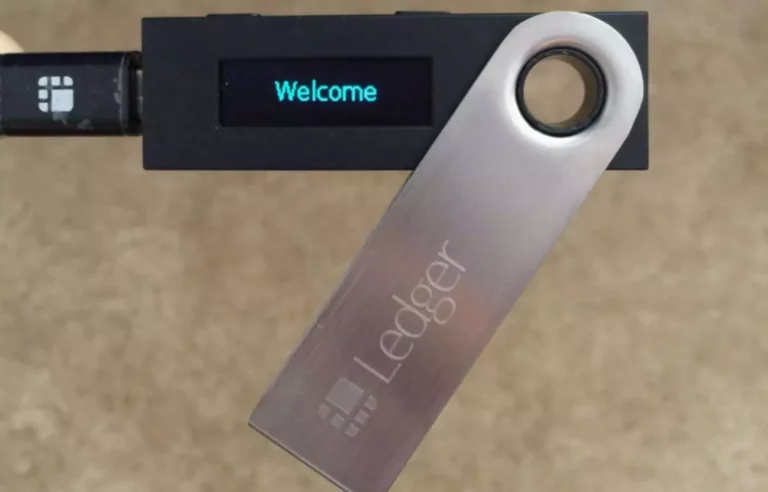
Recovery depends entirely on whether any backup of the private key or seed phrase exists. Without access to the original private key, a hardware wallet, or a seed phrase, coins stored in a lost wallet are cryptographically inaccessible. Some specialized data recovery services attempt to recover damaged drives or corrupted wallet files, but success is not guaranteed and such services vary widely in legitimacy.
Keep the Memory Alive
The stories in this archive, the wallets, the exchanges, the human cost of the early years, exist because someone took the time to remember them. Bitcoin Nostalgia is not a trading platform. It is not a financial service. It is a library, built by one archivist at a time, for the people who were there and the people who wish they had been.
If you believe these stories deserve to survive the next decade of price cycles and institutional narratives, consider supporting the archive directly.
Support Bitcoin Nostalgia
If you lived Bitcoin’s early days or simply want to ensure these stories are not lost to time, help keep this memory archive alive. Every satoshi goes directly into preserving these records — no investors, no sponsors, just the community keeping its own history alive.
bc1qu6v3m430v9ca0kxm3qk8cewcwukmfpf5rqakrj
Keep the memory alive. — Angel Salvador Dominguez, Founder & Chief Archivist, Bitcoin Nostalgia
Disclaimer: This article is a historical and cultural archive. Nothing in this publication constitutes financial advice, investment guidance, or price speculation. Bitcoin Nostalgia is a memory archive, not a financial publication. All historical references are based on publicly available records, archived forum posts, and documented community history. Sources include archived Bitcointalk threads, the original Bitcoin whitepaper, records preserved through the Wayback Machine, and reporting from The New York Times.