There was a time when Bitcoin's story was not told through institutional press releases or mainstream news segments. It was told through forum posts at three in the morning, written by anonymous usernames on cracked laptop screens. That world is fading. The raw emotion of February 2014, the disbelief, the grief, the desperate threads asking if any of this was even real, is slowly being buried under years of price cycles and polished narratives. This is the story of Mt. Gox — not as a footnote in a financial history textbook, but as a turning point in bitcoin nostalgia.
Before the Fall: What Mt. Gox Meant to Early Bitcoin Adopters
An Exchange Built on Magic Cards and Trust
Before it became the largest Bitcoin exchange on earth, Mt. Gox was a platform for trading Magic: The Gathering Online cards. Jed McCaleb built it in 2007. He repurposed the domain in 2010 to facilitate Bitcoin trades, then sold it to Mark Karpeles in 2011.
That origin story matters. This was not Goldman Sachs spinning up a trading desk. It was a repurposed hobby project, handed off between developers, growing at a speed that no one had prepared for.
By 2013, Mt. Gox was processing an estimated 70 percent of all global Bitcoin transactions, according to records archived by researchers and the Bitcoin Wiki. For most early bitcoin adopters, it was simply the only place that existed.

The Community It Held Together
To understand the sentiment around Mt. Gox, you have to understand what Bitcoin felt like in 2011 and 2012. It was not a financial instrument to most of the people who used it. It was a philosophical experiment. A proof of concept. A quiet rebellion.
Early bitcoin adopters gathered on Bitcointalk, on IRC channels, on early Reddit threads. They were cypherpunks, libertarians, developers, and curious strangers. Mt. Gox was the bridge between their ideas and the real world. It gave Bitcoin a face, an interface, a place to exist outside of the command line.
When people trusted Mt. Gox, they were really trusting the idea that Bitcoin could work. The two had become inseparable.
February 24, 2014: The Night the Archive Went Dark
Nostalgic MomentI remember sitting with a cup of cold coffee, reading through a Bitcointalk thread that had started calm and devolved into something I can only describe as digital panic. The thread was dated February 24, 2014.
Someone had posted a leaked internal Mt. Gox document. It outlined a staggering loss: approximately 850,000 Bitcoin, gone. The document used the phrase transaction malleability to explain the exploit. Most people on the forum did not fully understand the technical explanation. They did not need to. The numbers were enough.
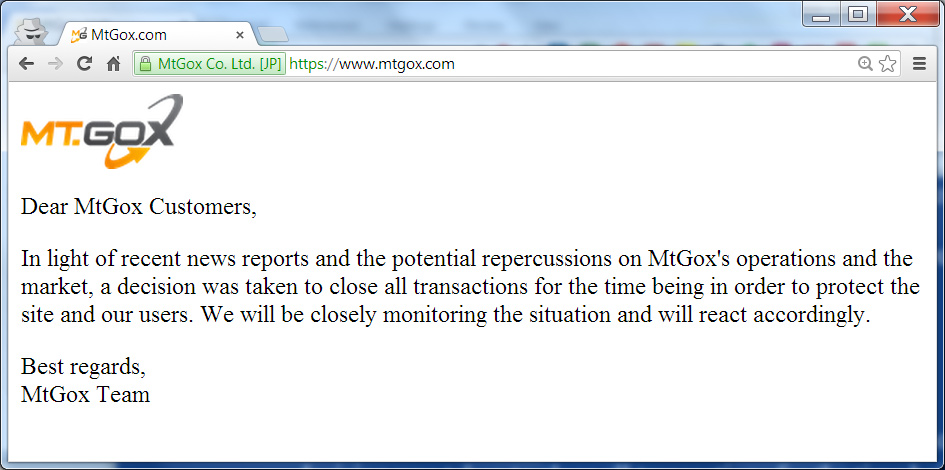
Within hours, the Mt. Gox website went dark. A simple holding page replaced the trading interface. And somewhere between that forum thread and that blank screen, the atmosphere of the early Bitcoin community changed permanently.
"All withdrawals are suspended until further notice."
Official Mt. Gox statement, February 25, 2014. For thousands of early bitcoin adopters, those words marked the end of an era.
The Forum Threads That Captured the Panic
The Bitcointalk forums in those first 48 hours were an archive of raw human emotion. Users who had held Bitcoin on the exchange for years were trying to calculate their losses in real time. Some wrote with technical precision. Others wrote in disbelief. A few wrote what seemed like genuine grief.
One thread title simply read: "What just happened?" It accumulated hundreds of replies within a day. No one had a definitive answer. Not yet.
Mainstream media coverage arrived quickly, but it felt cold compared to what the forums held. The journalists reported numbers. The forum posts captured what those numbers meant to actual human beings.
What the Collapse Did to Early Bitcoin Sentiment
Trust as the First Casualty
The technical explanation for the Mt. Gox failure involves a concept called transaction malleability, a flaw in how Bitcoin transaction IDs could be altered before confirmation, which the exchange's systems reportedly failed to account for correctly over years of operation.
But the emotional explanation is simpler. People had trusted a central point of custody with something they believed was designed to eliminate the need for central trust. The irony was devastating.
For many early bitcoin adopters, the Mt. Gox collapse was their first real confrontation with the gap between Bitcoin's ideals and Bitcoin's infrastructure. The philosophy was sound. The plumbing had failed.
The Sentiment Shift in the Community
The forums changed after Mt. Gox. The philosophical debates did not disappear, but a new layer of caution entered the conversation. Threads about self-custody, about running your own node, about the original vision of Bitcoin as a trustless system, became more urgent. More personal.
The phrase "not your keys, not your coins" had existed before February 2014. But Mt. Gox gave it weight. It transformed from a technical caution into a kind of communal scar tissue.
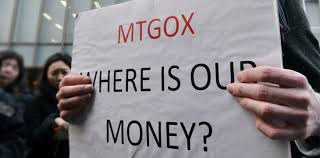
There was anger, too. Directed at Mark Karpeles, at regulators, at the media for what many felt was premature coverage designed to bury Bitcoin entirely. A Reuters report from late February 2014 noted that Bitcoin's price had fallen sharply in the weeks surrounding the collapse. For those who followed the community, though, the more significant drop was in morale.
How Mt. Gox Shaped the Culture That Followed
History has a way of turning its darkest chapters into its most instructive ones. The Mt. Gox collapse did not kill Bitcoin. It did not even slow its long-term trajectory in any permanent way. What it did was harden the community.
In the months that followed, development activity around the Bitcoin protocol continued. Conversations about the Bitcoin Foundation, which had been founded in 2012 and was already under scrutiny, grew louder. The blocksize debate, which would eventually fracture the community into factions, was already beginning to simmer beneath the surface.
Mt. Gox accelerated those conversations. It made them feel urgent in a way that theoretical debates never had.
The Rise of Self-Custody Culture
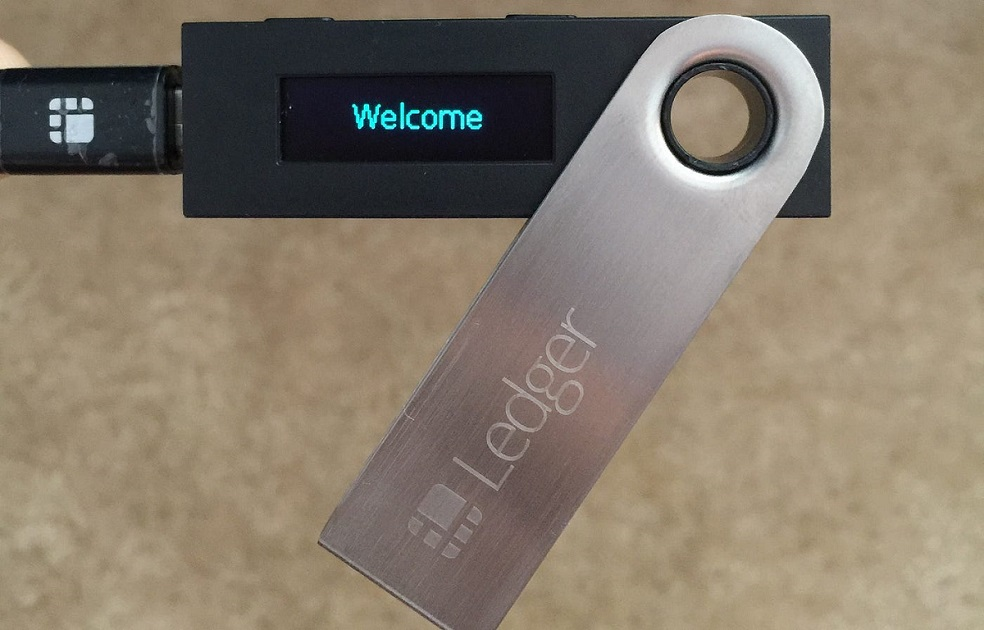
Hardware wallets were still a relatively niche concept in 2014. The idea of keeping your own private keys, offline, in a piece of hardware you controlled, was known but not yet mainstream within Bitcoin circles. After Mt. Gox, that changed.
Trezor, one of the first commercial hardware wallets, had released its device in 2014. The timing was not coincidental in the way the community received it. The collapse had created an audience that was finally ready to hear the message that self-custody advocates had been delivering for years.
The culture that emerged from Mt. Gox was not defeated. It was, in a strange way, clarified.
Why Mt. Gox Lives in Bitcoin Nostalgia Forever
This is where bitcoin nostalgia becomes complicated, and honest. The early days of Bitcoin were not all cypherpunk glory and ideological triumph. There was chaos. There was negligence. There were people who lost life savings to a system they believed in, maintained by institutions that were not ready for the responsibility.
Mt. Gox is part of that honest record. Not as a warning to avoid Bitcoin, but as evidence that the community endured something genuinely painful and continued building anyway.
Bitcoin nostalgia is not about loss. It is about witness. It is about making sure that the human story of Bitcoin's origin does not get filed away behind price charts and forgotten entirely.
When I sit with these memories now, what strikes me most is not the scale of the loss. It is the fact that the forums kept going. The threads kept running. The nodes kept validating. Something about that quiet persistence, that refusal to let the idea die, is the purest expression of what the early Bitcoin community actually was.
The archived Bitcointalk threads from February and March 2014 are still accessible through the Wayback Machine and Bitcointalk's own archive. They read like a time capsule. Somewhere in those exchanges is the emotional DNA of everything the Bitcoin community became afterward.
Further Reading
A Timeline of Bitcoin Nostalgia: The Iconic Events and Milestones That Shaped Crypto History →For the broader context of the milestones that surrounded Mt. Gox — from the genesis block to the institutional era — the full picture lives in this archive. It is the timeline this moment deserves.
Frequently Asked Questions
What was Mt. Gox and why was it important to early bitcoin adopters?
Mt. Gox was a Tokyo-based Bitcoin exchange that, at its peak in 2013, handled an estimated 70 percent of all global Bitcoin transactions. For early bitcoin adopters, it was the primary gateway between the Bitcoin network and traditional currency. It represented both the promise and the vulnerability of Bitcoin's early infrastructure.
What happened to the Bitcoin that was lost in the Mt. Gox collapse?
Approximately 850,000 Bitcoin were reported missing when Mt. Gox filed for bankruptcy protection in Japan in February 2014. The exchange cited a transaction malleability exploit as the primary cause of the losses. Around 200,000 Bitcoin were later recovered in old digital wallets, but the majority was never returned to users. Legal proceedings regarding the remaining assets continued for years afterward.
How did the Mt. Gox collapse affect Bitcoin's reputation in 2014?
The collapse generated significant negative press coverage and triggered a drop in Bitcoin's price in the period surrounding the announcement. More significantly for the community, it damaged trust in centralized exchanges and accelerated conversations about self-custody, decentralized infrastructure, and the gap between Bitcoin's ideals and its early commercial implementations.
Are the original Mt. Gox forum threads and records still accessible?
Many of the original Bitcointalk threads from the Mt. Gox collapse period remain accessible through the Bitcointalk forum archive and through the Wayback Machine, which has crawled and stored snapshots of the Mt. Gox website and related pages. These represent some of the most raw and authentic primary sources from that era of Bitcoin history.
What lasting changes did the Mt. Gox collapse bring to Bitcoin culture?
The collapse significantly strengthened the culture of self-custody within the Bitcoin community, popularizing the principle that users should hold their own private keys rather than relying on third-party custodians. It also contributed to a broader skepticism of centralized exchanges and intensified ongoing debates about Bitcoin governance, protocol development, and community trust that defined the years that followed. Hardware wallet manufacturers like Trezor and Ledger saw significant growth in adoption in the months after the collapse.
Help Keep This Memory Archive Alive
These stories are not just history. They are the foundation of everything Bitcoin became. Every panic-stricken forum post from February 2014, every archived thread, every human account of what it felt like to watch Mt. Gox go dark, is a piece of the record that deserves to be preserved.
If you lived Bitcoin's early days, or if you simply believe that these human stories should not be lost to time, consider helping keep this memory archive running.
Support Bitcoin Nostalgia
Bitcoin Nostalgia runs on memory and community support. If this archive has ever brought back a moment, a name, or a feeling from those early days, help us keep it alive. Every sat keeps the archive running. Thank you for remembering with us.
bc1qu6v3m430v9ca0kxm3qk8cewcwukmfpf5rqakrj
Keep the memory alive. — Angel, Founder & Chief Archivist, Bitcoin Nostalgia
Disclaimer: This article is a historical and cultural archive. Nothing in this publication constitutes financial advice, investment guidance, or price speculation. Bitcoin Nostalgia is a memory archive, not a financial publication. All historical references are based on publicly available records, archived forum posts, and documented community history. Sources include archived Bitcointalk threads, the Mt. Gox Wikipedia record, court documents archived via the Wayback Machine, and contemporaneous reporting by Reuters and BBC News.