It was 22:05. A music video was playing softly in the background. Something slow, something familiar. And somewhere between the melody and the glow of my screen, a thought hit me like a wave of bitcoin nostalgia I never saw coming.
When Satoshi Nakamoto released the Bitcoin whitepaper in October 2008, he was solving a problem of trust. He built a system that no bank could corrupt and no government could silence. A quiet, elegant revolution, written in nine pages of dense cryptographic prose.
He probably never imagined that one day, in a small workshop lit by monitor light, a man would spend 12 weeks hunched over a circuit board, trying to pull $2 million from a device that had forgotten its own owner.
But that is exactly what happened. And in its own strange, deeply human way, this story is one of the most resonant pieces of Bitcoin history I have ever sat with.
The Wallet That Slept for Seven Years
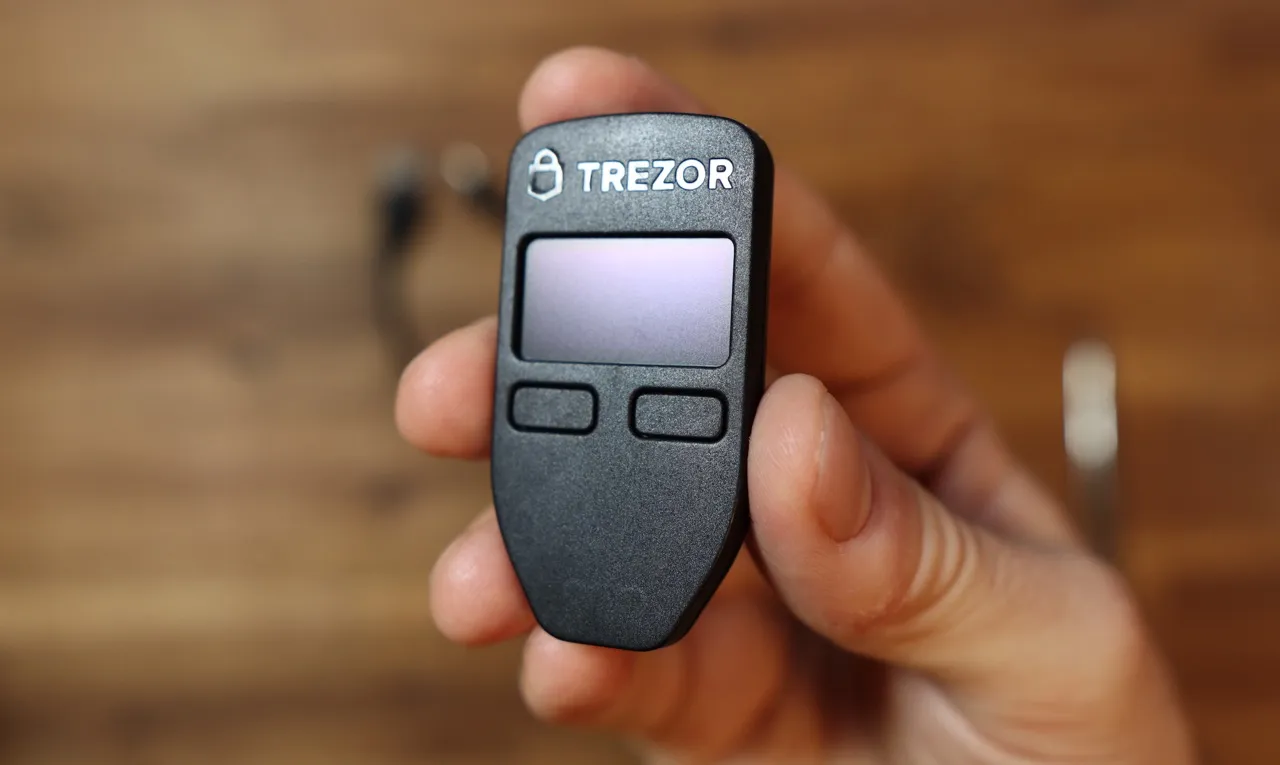
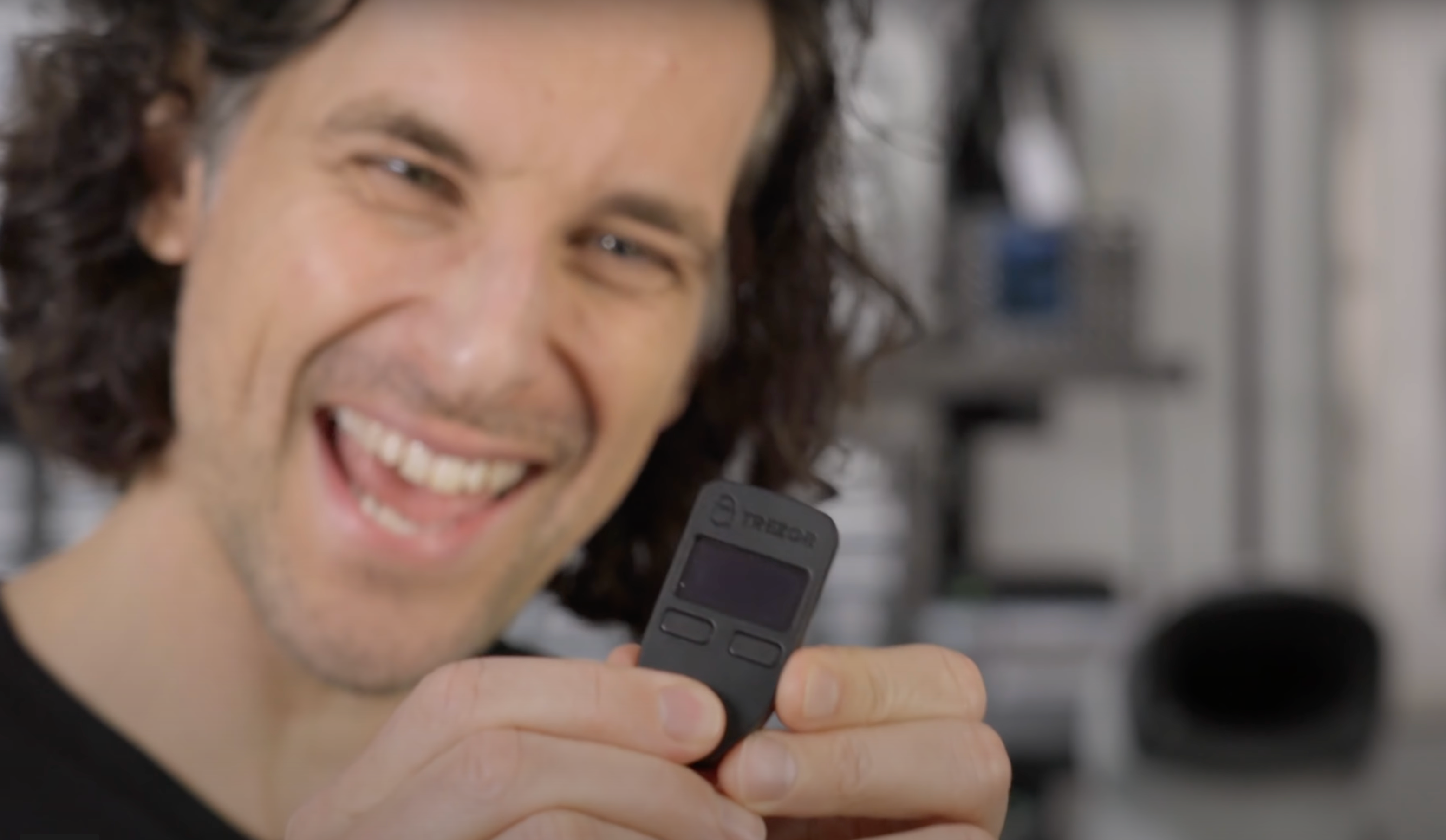
The year was 2017. The market was alive with electricity. Two men, Dan and Jesse, purchased THETA tokens and locked them inside a Trezor Model One hardware wallet. At the time, the Trezor was considered the gold standard of personal cryptocurrency security. A small, tamper-resistant device you could hold in the palm of your hand.
They set a PIN and put the wallet away.
Then life happened. The way it always does.
By the time they went looking for that PIN again, it was gone. Not in the wallet. Not in any notebook. Not in any file. Somewhere between 2017 and the years that followed, the number that unlocked their future had simply vanished from memory.
Here is where the cruelty of the design becomes clear. The Trezor was built to be secure. After a certain number of failed PIN attempts, the device wipes itself clean. It destroys the contents to protect the owner from thieves.
The machine had no way of knowing that the person trying to get back in was the owner themselves.
By the time they reached out for help, that wallet contained roughly $2 million in cryptocurrency. And it sat there, silent, locked, like a vault in the digital ground that had swallowed its own combination.
Joe Grand and the Art of Hardware Archaeology
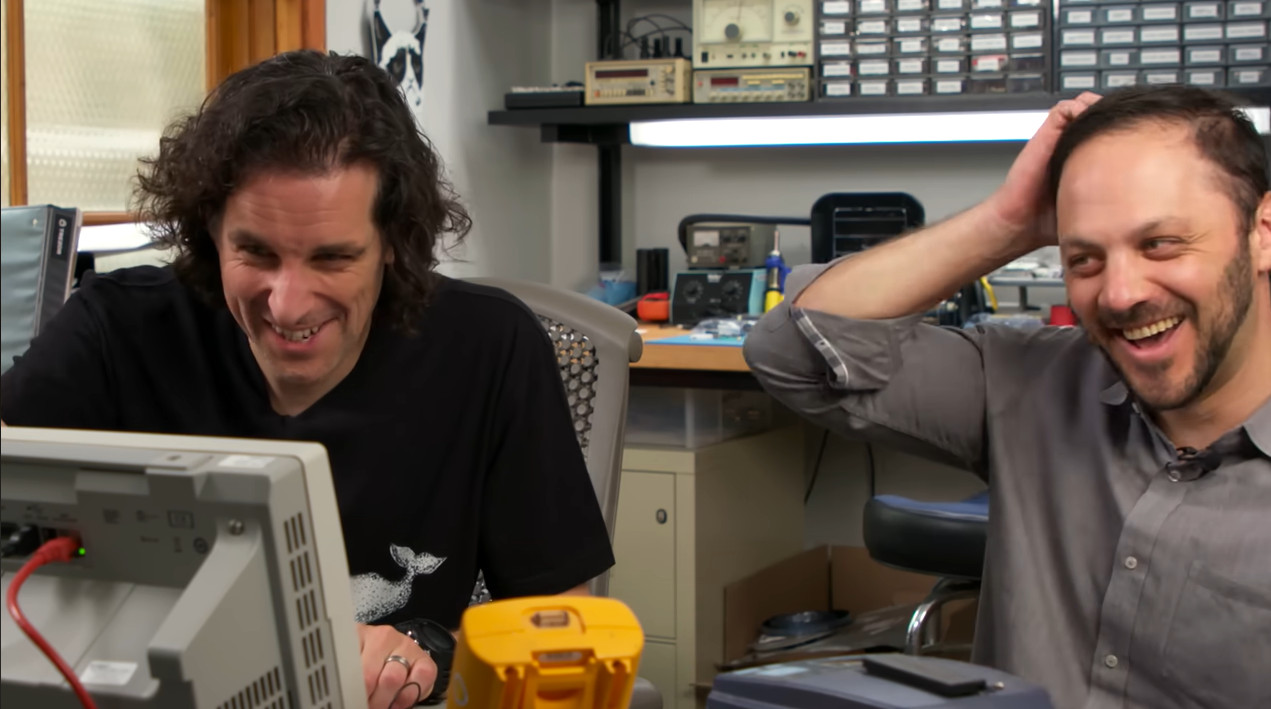
Enter Joe Grand.
Known in certain circles as Kingpin, Joe is a hardware hacker with decades of experience in reverse engineering and embedded security. He is the kind of person who looks at a circuit board the way a geologist reads rock strata. Layer by layer. Signal by signal. One quiet truth at a time.
When Dan and Jesse came to him, Joe did not promise a miracle. He agreed to look at the problem.
What he found in the architecture of the Trezor Model One would take him 12 weeks to turn into a working solution. And it required a technique that sounds almost too cinematic to be real.
He called it fault injection. You may also know it as voltage glitching.
For those who appreciate the strangeness of where we are as a civilization: this is a story about a man who tricked a microchip into giving up its secrets by briefly cutting off its power at precisely the right millisecond. Not a metaphor. Not a movie plot.
The actual human story of Bitcoin in 2024.
The Glitch That Changed Everything
What the Firmware Revealed
Joe's research led him to a specific firmware version: Trezor firmware 1.6.0. In that version, during the device's startup sequence, a function called memcopy was moving a critical piece of data. The PIN. The recovery seed. Both were being copied into the device's RAM at boot.
That meant there was a window. A fraction of a second during which the secrets existed in a readable part of the device's memory, before the security checks could catch them.
The objective became precise: glitch the chip at exactly the right moment. Force it into a debug mode that allowed RAM to be read. Extract the data before the security layer closed back over it.
Joe connected the wallet to a ChipWhisperer and a PhyWhisperer to automate the power-cycling and glitching process. He carefully opened the Trezor casing, removed the conformal coating with chemicals, and desoldered specific capacitors to make the microcontroller more susceptible to the electrical glitches he needed to introduce.
After 3 hours and 19 minutes of automated attempts, the system succeeded. The PIN was extracted from the RAM data: 12514. The wallet opened. The funds were recovered.
A Note on Firmware Updates
It is worth pausing here for a moment of historical accuracy. The vulnerability Joe exploited had already been patched. Trezor released firmware version 1.6.1 specifically to address this class of attack.
Dan and Jesse's wallet was running the older version. Which is why the attack worked. And which is one of the quiet, important lessons buried inside this story.
This is also a moment to acknowledge something that Joe noted in his own documentation: Trezor is one of the few hardware companies in this space that publicly documents and fixes reported vulnerabilities. In a landscape often defined by silence and opacity, that transparency matters.
Watch the Recovery — Joe Grand in His Own Words
Joe Grand walks through the complete fault injection process — from the ChipWhisperer setup to the moment the forgotten PIN surfaces from the RAM. The full session is a masterclass in hardware archaeology.
What Satoshi Never Imagined
I keep coming back to that thought from 22:05.
When Satoshi designed the system, the architecture was built around one foundational principle: be your own bank. No intermediary. No customer service. No forgotten password recovery form. You hold the key. You hold the coins.
It was radical. It was elegant. And for the overwhelming majority of people who have ever tried to live by that principle, it has also been terrifying.
The early forums on Bitcointalk are filled with the echoes of this terror. Stories of lost hard drives. Stories of forgotten paper wallets. Stories of people who mined thousands of Bitcoin in 2010 because it cost them essentially nothing in electricity, and then lost the wallet file when an old laptop died.
The story of Dan and Jesse is not the exception. It is a chapter in a much larger, much more human book. A book about what happens when the technology outpaces our capacity to manage it.
From the Bitcoin Nostalgia Archive
The Psychology of Crypto Regret: Understanding Bitcoin Nostalgia, FOMO, and Missed Fortunes →If you have ever wrestled with the psychological weight of what was lost, what was forgotten, or what was almost recovered, this is the most honest conversation I have been able to start in this archive. The human side of missing the revolution — told without judgment.
The Memory We Almost Lost
There is a version of this story where Dan and Jesse never find Joe Grand. Where the THETA tokens sit locked in silicon for another decade. Where the wallet eventually becomes an artifact — a small encrypted ghost of 2017 that no one can open.
In a way, that is the story of hundreds of thousands of Bitcoin wallets already. Coins locked in old hard drives. PINs written on paper that was thrown away. Seeds memorized and then forgotten during illness, during grief, during the ordinary chaos of living a life.
This is what Bitcoin Nostalgia exists to document. Not the charts. Not the cycles. The human cost of a revolution that moved faster than the people inside it.
Joe Grand has become, perhaps without intending to, one of the great archaeologists of the digital age. His work recovering wallets using hardware techniques is a story worth telling in full.
Companion Piece — Also by Angel
The Man Who Hacked Time: Joe Grand, a Lost Bitcoin Wallet, and the Bitcoin Nostalgia of Almost Losing It All →If this particular recovery moved you, this is the companion story you should read next. A different wallet. A different vulnerability. The same quiet human truth about what it means to hold something you can no longer open.
I think about the early Bitcoin miners who threw away hard drives in 2013, not yet knowing what those drives contained.
I think about the cypherpunks who ran nodes from their basements in 2011 and considered it a weekend experiment.
And I think about Dan and Jesse in 2017, buying THETA on a device they trusted completely, setting a PIN they were certain they would remember.
We are all, in our own way, just trying to remember the combination.
Help Keep This Memory Archive Alive
Stories like this one take time to research, verify, and tell with the care they deserve. Bitcoin Nostalgia is an independent archive with no ads, no sponsored content, and no commercial agenda.
If the human side of Bitcoin history matters to you, consider helping preserve it. Every contribution, however small, keeps this archive running and these stories available to anyone who comes looking for them.
Support Bitcoin Nostalgia
Every satoshi supports the work of preserving the human side of this revolution — one story at a time. Thank you for remembering with us.
bc1qu6v3m430v9ca0kxm3qk8cewcwukmfpf5rqakrj
Kingpin's Last Word — Joe Grand
"Don't forget your ground clip, kids."
Joe Grand (Kingpin) — hardware hacker, after 12 weeks of debugging and a near-perfect fault injection attack that almost failed for the simplest reason of all
It was 22:05 when this one found me. A music video in the background. A quiet moment. And then the question that never really leaves: what did Satoshi imagine when he wrote those nine pages?
Probably not a man in a workshop, 16 years later, with a soldering iron and three hours and nineteen minutes of patience.
But maybe that is exactly the point. The technology became something none of us could have predicted. Including him.
From one nostalgic to another,
Angel
Disclaimer: This article is a historical and cultural archive. Nothing in this publication constitutes financial advice, investment guidance, or price speculation. Bitcoin Nostalgia is a memory archive, not a financial publication. All historical references are based on publicly available records, archived forum posts, and documented community history. Sources include Joe Grand's original video documentation, Trezor's official security documentation, and the Wayback Machine.