In 2013, while most of the world was just beginning to hear whispers about Bitcoin, a man in Newport, Wales made a quiet, ordinary decision that would haunt him for the rest of his life.
He threw out a hard drive.
There were no flashing lights or warning sirens. No dramatic pause. Just a small, forgotten piece of hardware slipping into a black bin bag, on its way to the landfill. By the time James Howells understood what he had done, those 8,000 Bitcoin were buried under thousands of tonnes of household waste, completely out of reach.
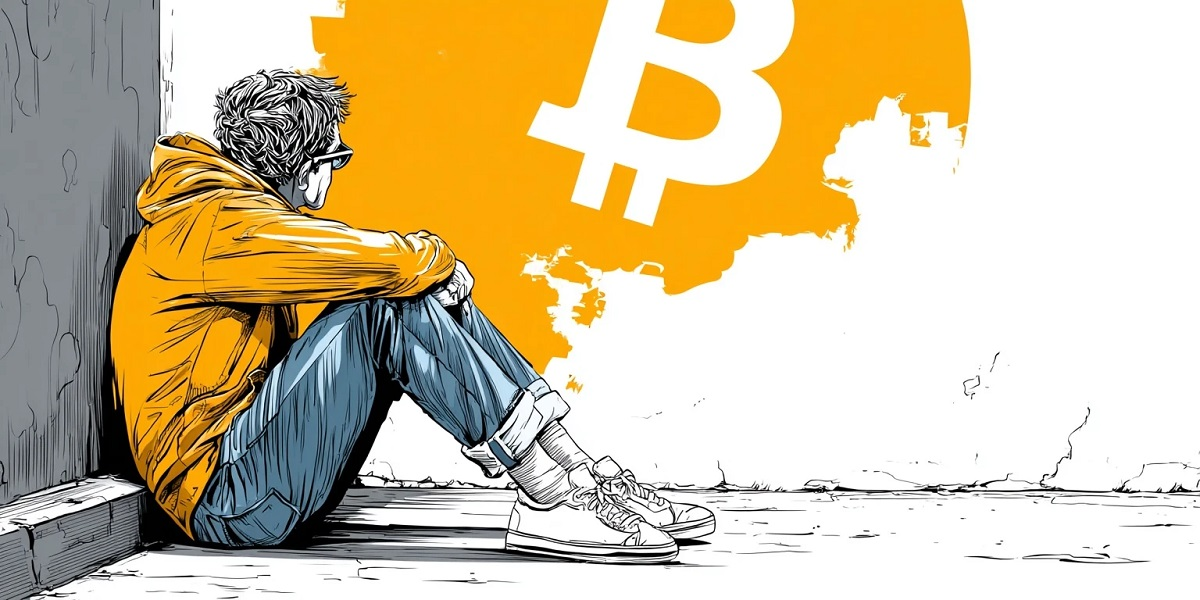
This is not a story about wealth. It is a story about timing, memory, and the kind of regret that lives quietly in the background of everything, never quite fading. It is, in the truest sense, a story woven deep into the fabric of bitcoin nostalgia.
The Miner Who Almost Made History
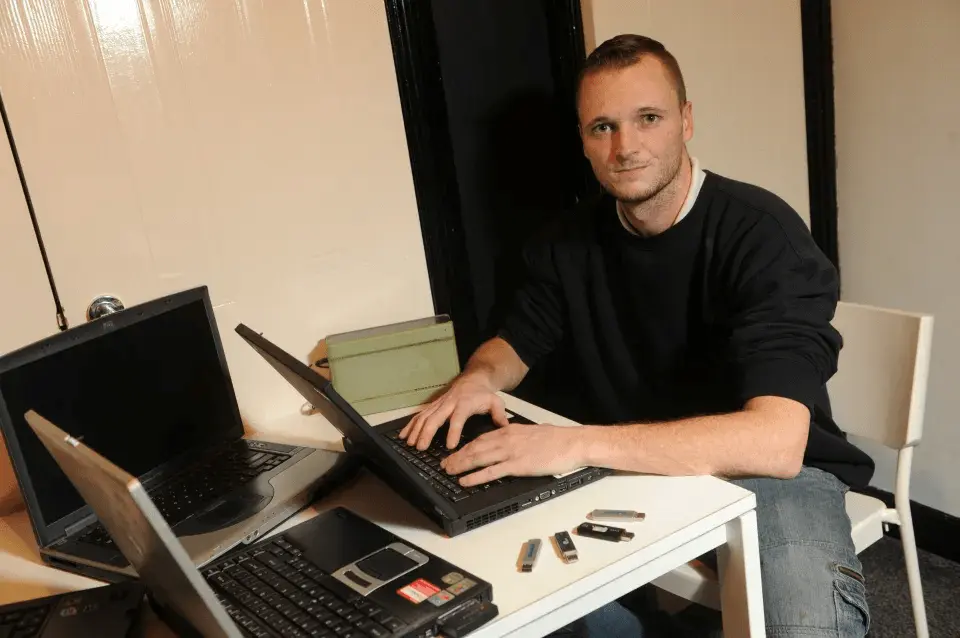
In 2009, James Howells was among the earliest wave of people to mine Bitcoin using a standard personal laptop. At the time, Bitcoin existed almost entirely within a small, tight-knit community of cryptographers, coders, and digital dreamers scattered across early tech forums and IRC channels.
Mining required little more than a personal computer, a willingness to run unfamiliar software, and genuine curiosity about a fringe monetary experiment. Over several months, Howells accumulated 8,000 Bitcoin on that laptop's hard drive.
Then, in 2010, he stopped. The hard drive was disassembled, set aside in a drawer, and life moved on.
Four Years of Silence
He was not unusual in doing this. Countless early miners shut their rigs down when the novelty wore off. Nobody was obsessively watching charts yet. Bitcoin was still closer to a hobbyist experiment than a functioning currency, and most people who participated in those early days treated the coins as something between a curiosity and a game reward.
The concept of secure storage, backups, and hardware wallets did not exist in any mainstream form. You mined. You forgot. You moved on.
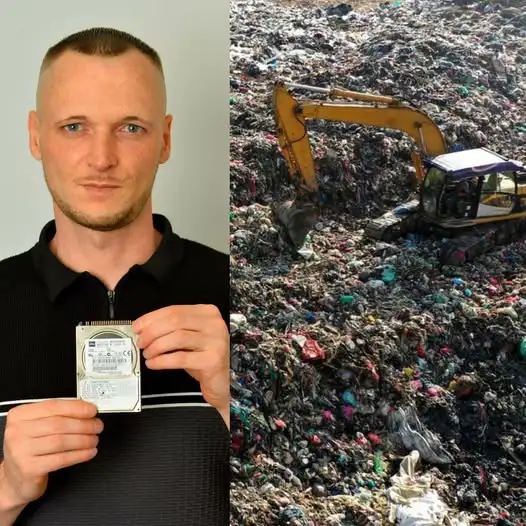
The hard drive sat quietly for nearly four years. Then, in the summer of 2013, Howells was clearing out his home office. He found the old drive, assumed it was blank, and tossed it into a recycling bag headed for the Newport City Council landfill.
That same year, Bitcoin crossed the $1,000 mark for the first time. The timing was almost cruel.
The Landfill That Holds a Legend
When the full weight of what he had done landed, Howells contacted Newport City Council and asked to search the landfill. The answer was no. Authorities cited environmental regulations, the scale of the site, and the logistical dangers of excavating active waste compaction zones.
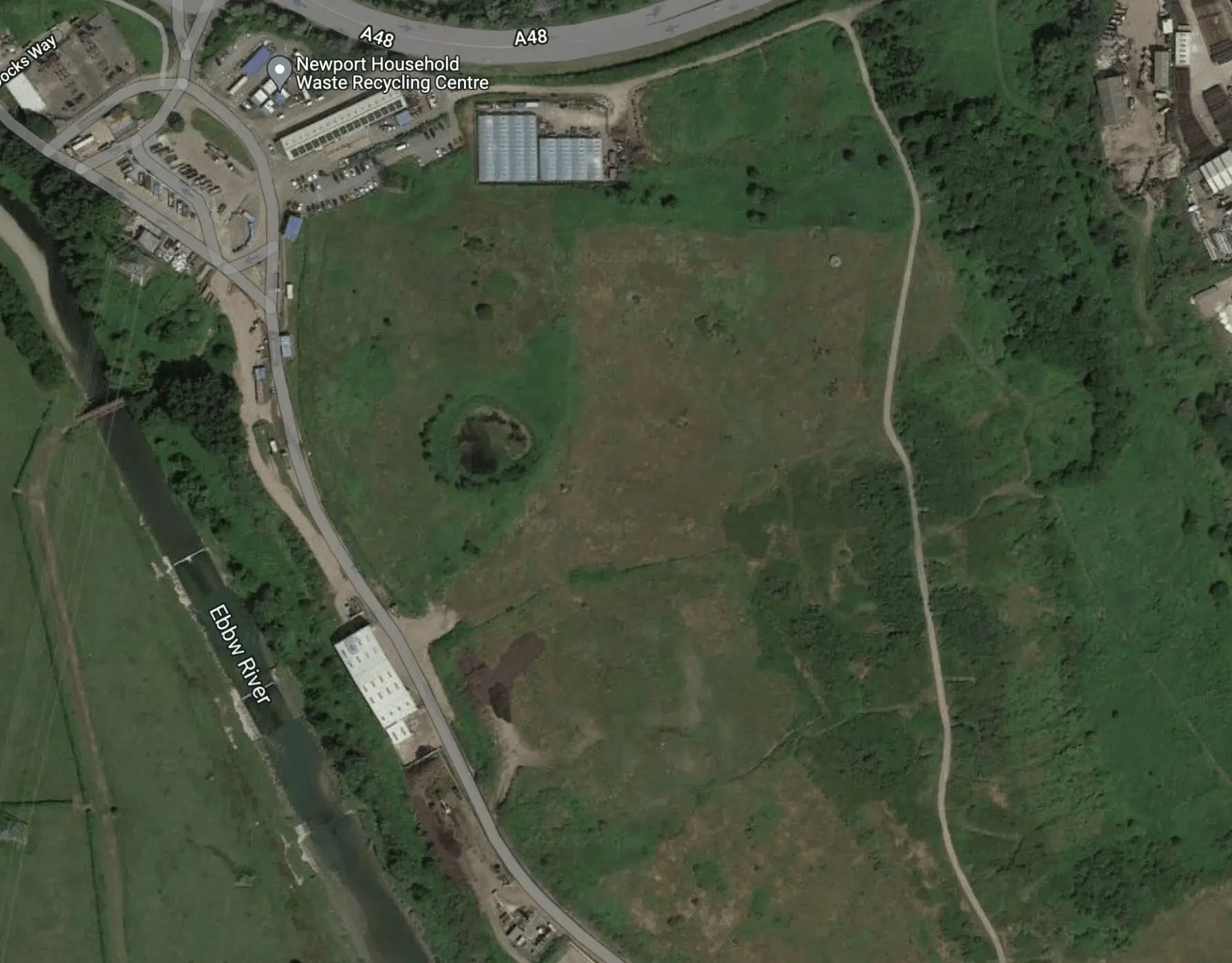
The Newport landfill covers an area of roughly 350,000 square meters. Waste is compacted and buried in dense, layered sections over years. The hard drive, if it survives in any recoverable form, sits somewhere within an estimated 110,000 to 150,000 tonnes of refuse.
Howells did not walk away. Over the years he returned repeatedly with new proposals, legal teams, and fully funded excavation plans. He assembled groups of investors, data recovery engineers, and environmental consultants willing to do the work at no cost to the city. Newport continued to refuse, citing the site's protected environmental status.
As recently as 2023 and into 2024, he made headlines again with detailed recovery proposals, including offers to share a significant portion of any recovered funds with the city and its residents. The council's answer remained no. In January 2025, the High Court dismissed his final legal claim, ruling it had no realistic prospect of success.
Nostalgic MomentFrom the Sidelines — Angel's Archive
I remember coming across a forum thread about Howells somewhere in late 2013. The replies were a strange, quiet mix of sympathy and dark humor. Someone wrote that it was like tossing a winning lottery ticket into a bonfire without knowing what it was.
That image stayed with me. I was watching Bitcoin from the sidelines at the time, the same way I always had, following the price on my screen while my own finances kept me firmly on the outside looking in. Reading about Howells felt like looking into a mirror that reflected a different kind of loss. Not the loss of a fortune, exactly, but the loss of a moment you did not recognize until it was already behind you.
What This Story Means for Bitcoin History
The story of James Howells is not just about one man's regret. It is a window into the culture of early Bitcoin adoption and the way ordinary people interacted with something they did not yet fully understand.
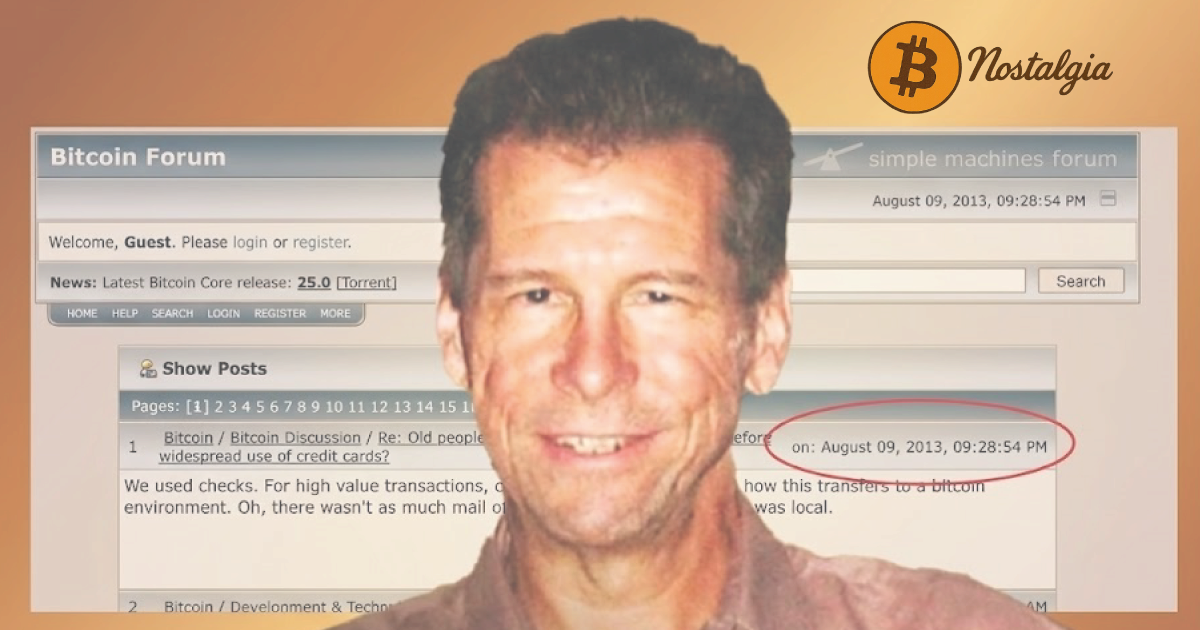
In those first years, nobody treated Bitcoin like money in the way we understand that today. People mined casually, left wallets unguarded on aging laptops, formatted drives without checking them twice, and discussed coins in the same tone someone might use for browser game tokens. The community on forums like Bitcointalk was small enough that everyone knew everyone else, and the stakes still felt theoretical.
That shift, from treating Bitcoin as a curiosity to treating it as something irreplaceable and worth protecting, is one of the most important cultural turning points in the entire history of the protocol. Understanding the human cost of that transition is part of understanding Bitcoin fully.
Further Reading from the Archive
The Psychology of Crypto Regret: Understanding Bitcoin Nostalgia, FOMO, and Missed Fortunes →If you want to explore the deeper emotional weight behind these moments, the psychology of watching a revolution from the sidelines, the grief of missed timing, and the culture of regret that shaped an entire generation of observers, that story lives in this archive.
The Hard Drive Is Still There
As of today, the hard drive remains buried beneath Newport. The city council continues to deny all excavation requests.
Howells has spoken publicly about the emotional weight of living with this knowledge. In a 2021 interview with The Guardian, he described checking the Bitcoin price regularly, not out of greed or strategy, but because the number serves as a permanent, unavoidable reminder of a moment he cannot undo.
There is something deeply human about that impulse. To look, even when looking hurts.
The 8,000 Bitcoin are not lost the way a forgotten password is lost. They exist on a physical object, in a physical location. They are simply unreachable. That distinction matters more than it might seem. It transforms what could be a cautionary tale about carelessness into something much closer to grief, the specific grief of holding the map to something you cannot reach.
That is what makes the story of James Howells one of the defining human moments in Bitcoin's history. Not the number. Not the valuation. The unreachable certainty of it.
Keep the Archive Alive
Stories like this one deserve to be preserved before they are buried as deeply as that hard drive. If you believe the human history of Bitcoin is worth archiving, consider supporting this memory project with a small Bitcoin donation. Every satoshi helps keep these records alive.
Support Bitcoin Nostalgia
Help preserve the stories, culture, and human moments of Bitcoin's early era. Every satoshi keeps the memory alive.
bc1qu6v3m430v9ca0kxm3qk8cewcwukmfpf5rqakrj
From one nostalgic to another,
Angel
Disclaimer: This article is a historical and cultural archive. Nothing in this publication constitutes financial advice, investment guidance, or price speculation. Bitcoin Nostalgia is a memory archive, not a financial publication. All historical references are based on publicly available records and documented community history. Primary sources include Wikipedia's documented account, The Guardian's reporting, and the Internet Archive (Wayback Machine).