Before price tickers and institutional buy orders, Bitcoin lived inside the minds of a small, obsessive community. People who understood what it was before the world caught on. They kept their coins in software wallets protected by hand-generated passwords. They encrypted their files with TrueCrypt. They stayed paranoid, because back then, paranoia was the only reasonable position. And sometimes, despite doing everything right, they lost it all anyway.
Not to a hack. Not to an exchange collapse. To something quieter. A corrupted file. A forgotten password. A single moment of human error in an era when there was no safety net and no support line to call.
This is one of those stories. And unlike most of them, this one has an ending.
Michael's Problem Was a 2013 Kind of Problem
There is a specific vocabulary that comes with the early Bitcoin era. TrueCrypt. Cold storage. Seed phrases written on paper. A deep-seated distrust of leaving anything online.
Michael spoke that language fluently.
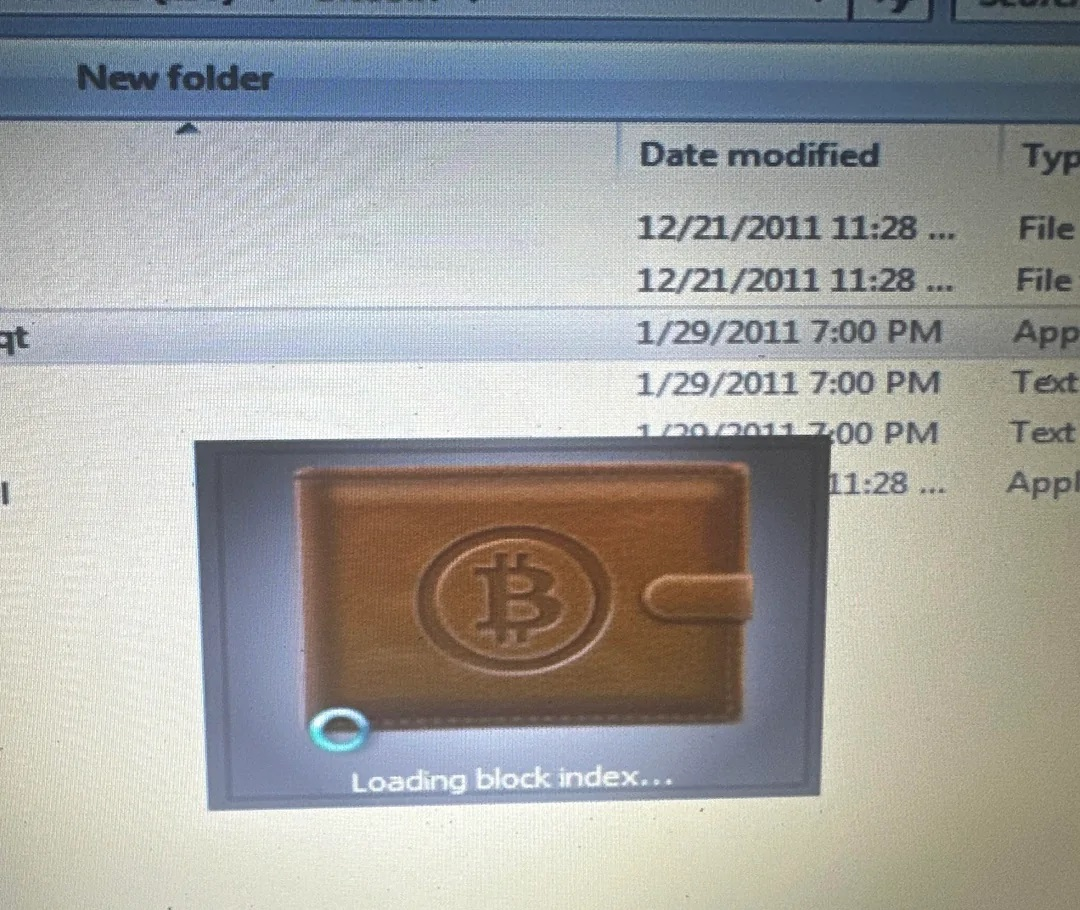
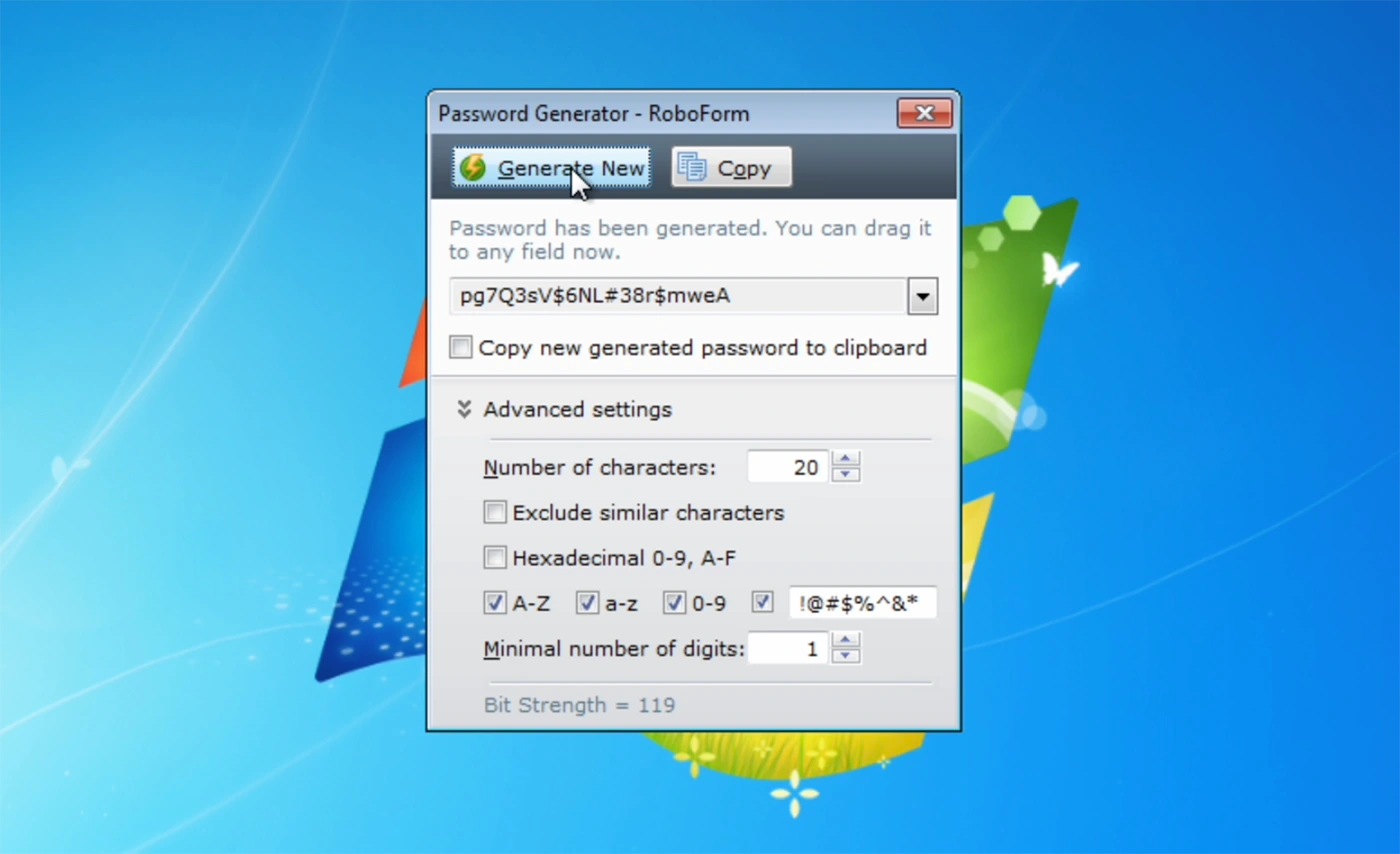
In 2013, he generated a 20-character password using RoboForm, a password manager that was widely trusted at the time, to protect his Bitcoin wallet. He stored that password inside a TrueCrypt-encrypted container. Out of security caution, he did not save it inside the password manager itself, fearing someone could compromise the database and gain access.
It was, by every 2013 standard, exactly the right call.
Then the TrueCrypt container became corrupted.
The password was gone. The wallet was sealed. And 43.6 BTC sat untouched inside it for the next decade, while the world around it changed beyond recognition.
Enter Kingpin — The Hardware Hacker Nobody Expected
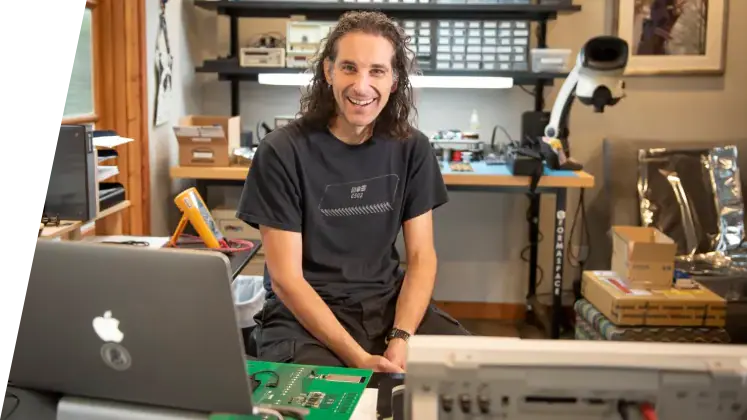
Joe Grand, known online as Kingpin, is not a treasure hunter. He is an electrical engineer, hardware hacker, and founder of Grand Idea Studio, who had built his reputation on reverse-engineering physical chips and silicon.
In 2022, he gained widespread recognition inside the crypto recovery community after successfully hacking a Trezor One hardware wallet, helping its owner recover $2 million in BTC that had been locked behind a forgotten PIN. That story spread through every corner of the community.
Michael saw it. He reached out to Grand for help with his own wallet.
Grand turned him down. His skills lived in the world of hardware hacking, not software wallets. The problems were different in nature, and he did not have the right partner for it.
But in 2023, Michael called again. This time, Grand had a partner: Bruno, a software hacker from Germany with the deep code knowledge the job would require. They agreed to take the case.
What followed was months of patient, methodical work that felt less like modern cybersecurity and more like forensic archaeology.
Nostalgic MomentFrom the Sidelines — Angel's Archive
I remember reading a thread on Bitcointalk sometime around 2012 or 2013 where the community was debating the best way to generate a truly random password for a wallet. Everyone had a method. Everyone was certain theirs was the safest approach. People would spend entire afternoons arguing about entropy, randomness, and which tools could actually be trusted.
I used to read those threads for hours, watching from the sidelines, fascinated by how seriously these people took their digital security. It felt like watching a small guild of cryptographers guard something sacred.
What none of us knew, reading those threads from the margins, was that one of the most trusted tools in the stack had a quiet flaw hiding in plain sight — one that would not surface for over a decade.
The Password That Was Never Random
After months of reverse-engineering the specific version of RoboForm that Michael had used in 2013, Grand and Bruno made a discovery that quietly rewrote the definition of "random."
The passwords generated by that older version of RoboForm were not truly random. They were mathematically tied to the date and time on the user's computer at the exact moment of generation.
Control the time. Control the password.
"In a perfect world, when you generate a password with a password generator, you expect to get a unique, random output each time that no one else has. In this version of RoboForm, it was not the case."
Joe Grand (Kingpin), hardware hacker and security researcher — as reported by Wired
Grand used Ghidra, a reverse-engineering tool originally developed by the NSA, to disassemble RoboForm's code and map its internal logic. It was a forensic dig through eleven-year-old software, peeling back layers to find the hidden structure underneath.
The flaw was silently fixed by RoboForm's developer Siber Systems in 2015 with version 7.9.14. Any password generated with the tool before that update may still be in use today, carrying the same vulnerability.
They Did Not Crack the Password. They Cracked the Clock.
Michael could not remember the exact date he had created the password. That missing detail could have ended everything.
But he knew something else: the first Bitcoin ever moved into that wallet arrived on April 14, 2013. That was enough of a window.
Grand and Bruno configured RoboForm to generate every possible password within a specific date range, using the same parameters Michael would have used at the time. They ran through millions of candidates. Failed attempts. Adjusted the time range. Ran again.
Eventually, they found it.
The password had been created on May 15, 2013, at 4:10:40 PM GMT.
A single Tuesday afternoon. One precise second in time. That was the key that had been waiting inside a broken clock for eleven years.
43.6 BTC were recovered. The wallet was open.
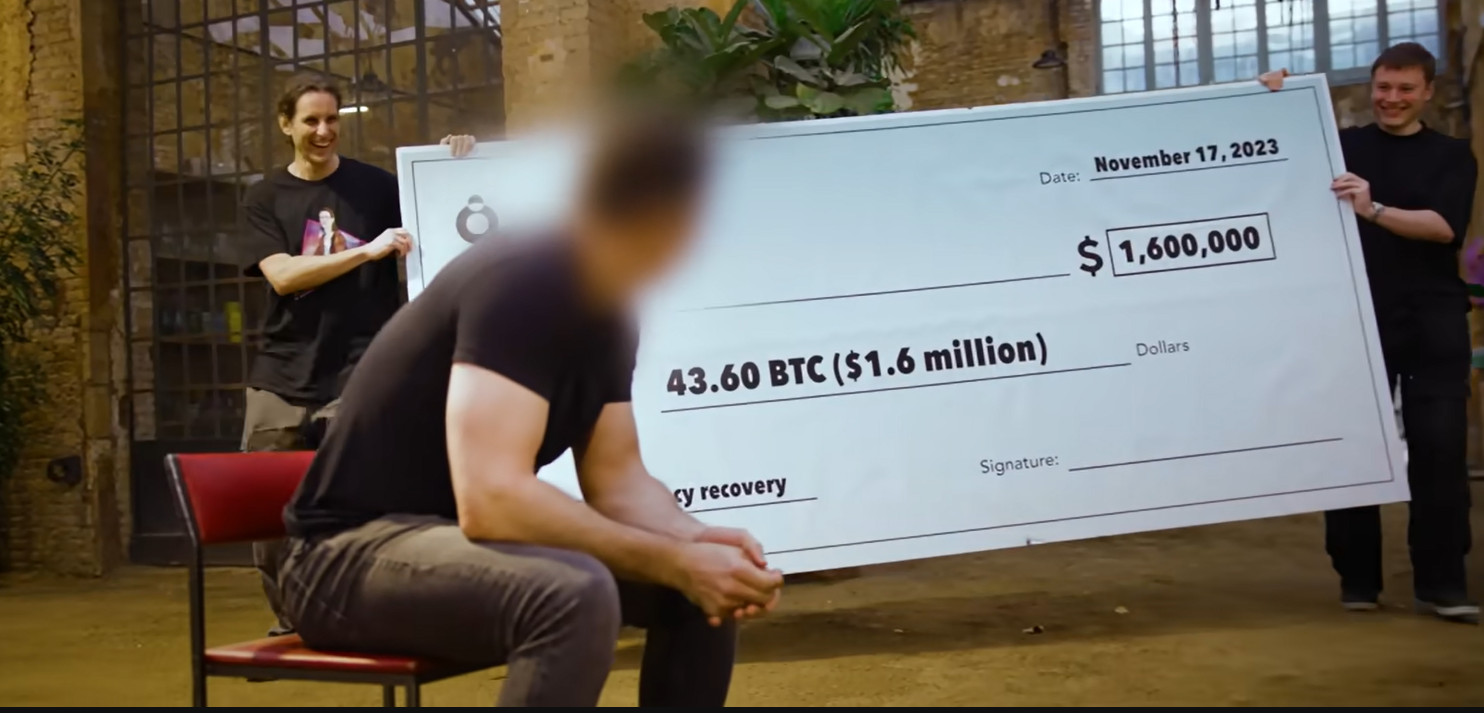
Watch the Recovery — Joe Grand's Own Account
Joe Grand walks through the recovery process in his own words. The timestamp begins at the moment the method becomes clear — and the clock starts running backward toward 2013.
What This Story Leaves in the Archive
Lost bitcoin stories are everywhere in this community. Most of them end in silence.
Hard drives discarded. Wallets sealed behind forgotten passwords. Exchanges that vanished overnight. Seed phrases written on paper that was lost in a move, a flood, a moment of ordinary life.
Michael's story is rare not because of the amount recovered, but because it ended differently. Because two people spent months reconstructing the logic of a broken password generator just to travel back to one specific second in 2013.
That same spirit — the refusal to let the early record disappear — is what drives this archive.
Further Reading from the Archive
Forgotten Fortunes: The Complete History of Early Bitcoin Wallets, Exchanges, and Lost Keys →If you want to understand the full ecosystem of early wallets, the tools people trusted with their coins, and the cultural weight of what it truly meant to hold your own keys in 2013, the complete record lives here. These stories belong together.
Help Keep This Memory Alive
The early days of Bitcoin produced thousands of stories like Michael's. Most of them were never documented. The people who lived them moved on, and the moments quietly faded.
This archive exists to make sure they are not forgotten. If these stories matter to you, consider making a small Bitcoin donation to keep this memory running.
Support Bitcoin Nostalgia
Every satoshi supports the work of preserving the human side of this revolution — one story at a time. Thank you for remembering with us.
bc1qu6v3m430v9ca0kxm3qk8cewcwukmfpf5rqakrj
From one nostalgic to another,
Angel
Disclaimer: This article is a historical and cultural archive. Nothing in this publication constitutes financial advice, investment guidance, or price speculation. Bitcoin Nostalgia is a memory archive, not a financial publication. All historical references are based on publicly available records, archived forum posts, and documented community history. Sources include Wired's reporting on the RoboForm vulnerability, Joe Grand's official documentation, and the Wayback Machine.