There is a particular kind of silence that settles over a person when they realize something irreplaceable is gone forever.
Not a stolen wallet. Not a forgotten password to a streaming account. The silence that comes when you understand that a single file, sitting quietly on a hard drive you threw away in 2012, would have changed the entire shape of your life.
That silence lives somewhere at the heart of bitcoin nostalgia.
Before the headlines and the hedge funds, before the congressional hearings and the ETF approvals, Bitcoin belonged to a small and scattered community of people who had no road map. They were coders and dreamers, anarchists and idealists, people who stumbled onto something they barely understood and did their best with the tools they had.
Some of those people held on. Many did not. And between those two outcomes lives some of the most deeply human, devastating, and occasionally triumphant stories the internet has ever quietly witnessed.
This archive is dedicated to preserving them.
Before the Fortune: What It Meant to Hold Early Bitcoin
It is almost impossible, from where we stand today, to reconstruct what it actually felt like to hold Bitcoin in 2010 or 2011.
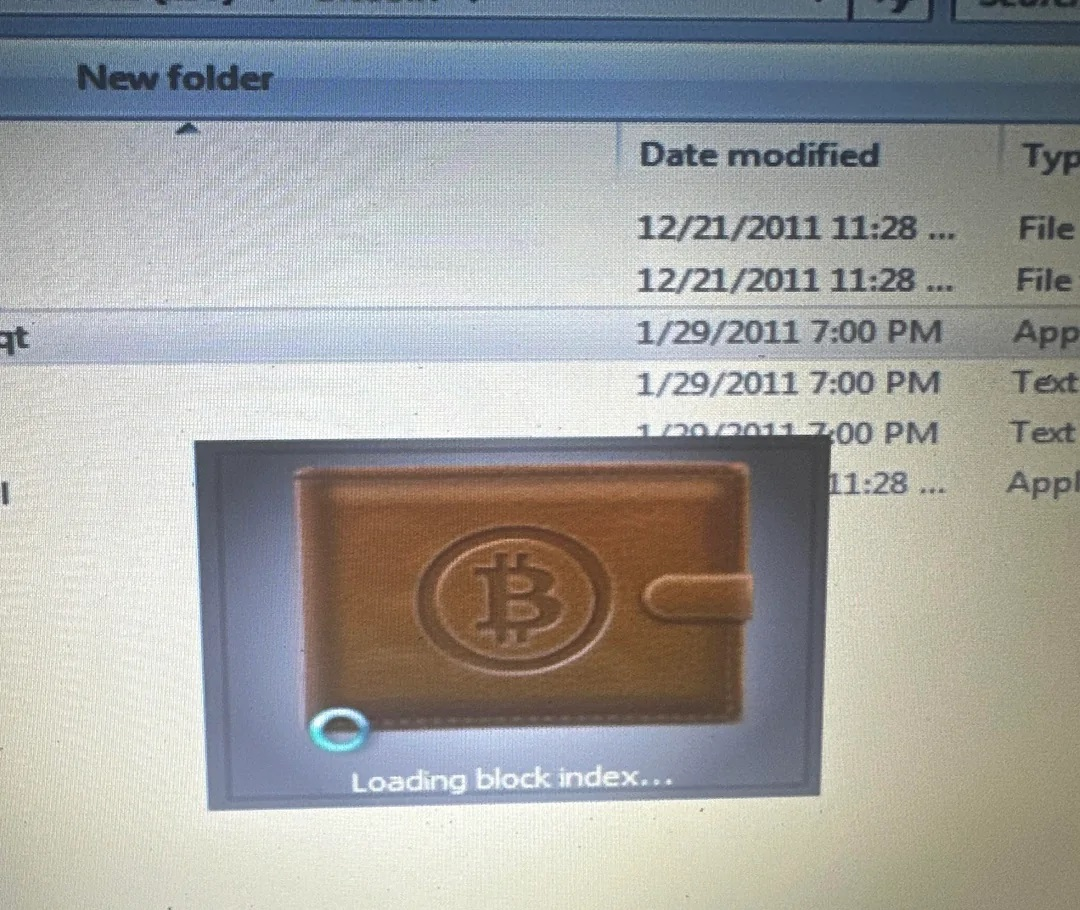
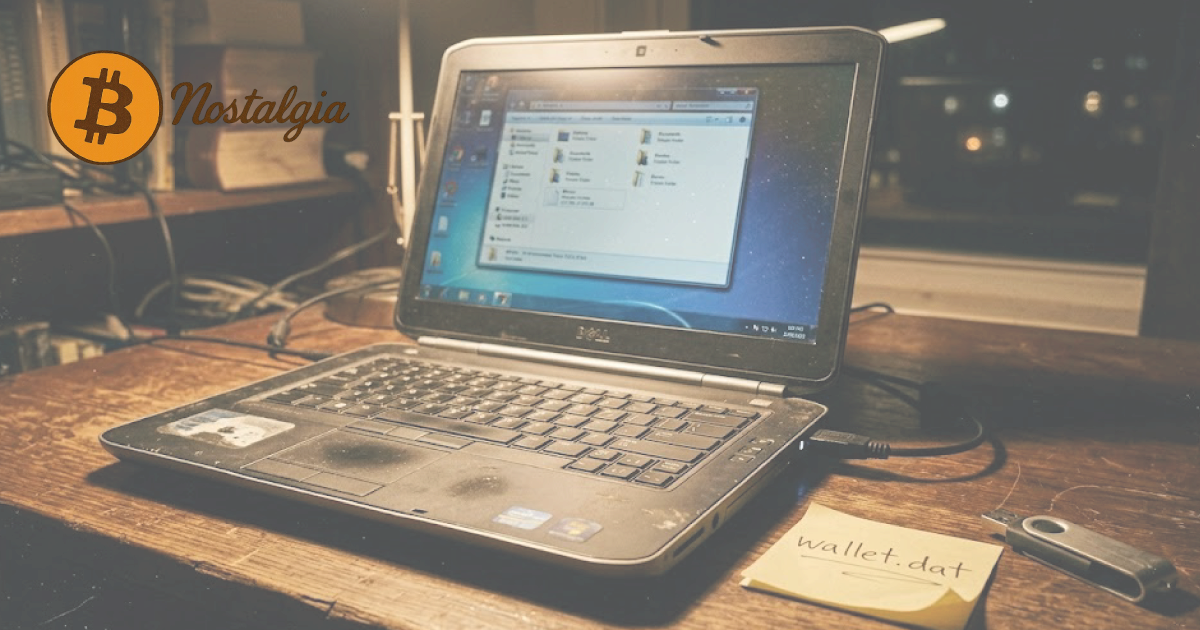
There was no Coinbase app. There was no “my portfolio” dashboard with green and red arrows. There were text files. There were obscure command-line tools. There was a program called Bitcoin Core, and if you ran it, you generated a file called wallet.dat on your hard drive, and that file was your money.
No bank. No backup system. No customer support line.
If your computer died, and you had not made a copy of that file, your Bitcoin was simply gone. Not locked away. Not recoverable. Gone the way a letter burns. The record existed on the blockchain forever, but only someone who held the private key could move those coins, and if the key was lost, the coins were frozen in place for the rest of time.
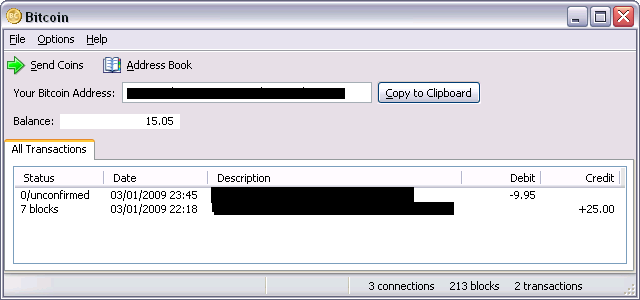
Most early holders did not think of their wallet.dat file as a treasure chest. They thought of it as a curiosity. An experiment. A few dollars at most, if it was even worth anything at all.
That casual indifference, completely reasonable at the time, would later become the defining tragedy of an entire generation of early participants.
For a deeper look at the tools, exchanges, and infrastructure that made these losses possible, the full history is preserved in the pillar archive:
From the Archive
Forgotten Fortunes: The Complete History of Early Bitcoin Wallets, Exchanges, and Lost KeysTraces exactly how the infrastructure of that era made so many of these stories inevitable. The definitive guide to the wallets, exchanges, and keys that shaped early Bitcoin history.
The Hard Drive in the Landfill: James Howells and the Weight of One Decision
A Routine Mistake With Permanent Consequences
In 2013, a Welsh IT worker named James Howells was cleaning his office. He had two hard drives. One was blank. One contained a Bitcoin wallet he had mined years earlier, back in 2009 during the very earliest days of the network.
He threw away the wrong one.
That hard drive, believed to contain approximately 7,500 Bitcoin, ended up buried under years of waste in a Newport landfill in Wales. Howells has never stopped trying to recover it.
He has approached Newport City Council repeatedly over the years, offering significant shares of any recovered Bitcoin in exchange for permission to excavate. As of this writing, those requests have been denied on environmental and logistical grounds.
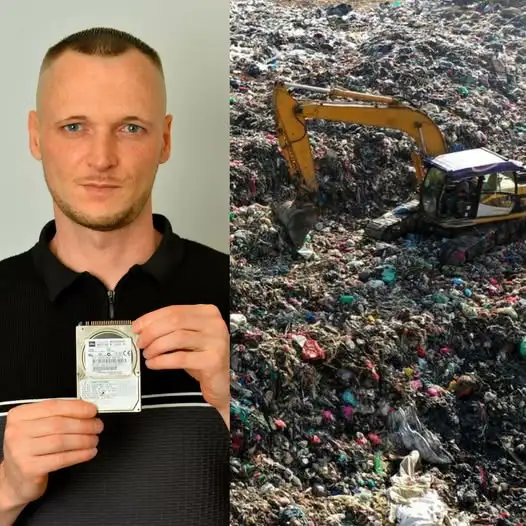
What makes the Howells story resonate beyond its staggering numbers is its profound ordinariness. He was not careless. He was not reckless. He made the same kind of small, forgettable, completely understandable mistake that all of us make on mundane Tuesday afternoons.
He just made it at the exact wrong moment in history.
The story of James Howells is not a story about greed or negligence. It is a story about timing, and about how brutally indifferent timing can be. The full account of his ongoing attempt to recover those coins is documented in detail in the archive’s dedicated piece: Eight Thousand Bitcoin, One Mistake: The Story of James Howells and the Hard Drive He Can Never Get Back.
Nostalgic Moment
I remember reading about Howells for the first time in late 2013, in one of those brief tech blog blurbs that barely made the sidebar. At the time I thought it was just an odd curiosity. A cautionary tale for nerds. I had no idea it would become one of the defining symbols of an entire era.
Reading it now, all these years later, I feel the weight of it differently. That hard drive was not just bytes on magnetic platters. It was a life that almost happened.
The Locked Wallet: Stories of Forgotten Passwords and Frozen Futures
Stefan Thomas and the IronKey
Stefan Thomas, a programmer who received 7,002 Bitcoin in 2011 as payment for an animated video explaining how Bitcoin worked, stored his private key on an encrypted USB drive called an IronKey.
He forgot the password.
The IronKey device allows ten guesses before permanently encrypting its contents forever. As of his last public statements, Thomas had used eight of those guesses.
Two attempts remain.
Thomas has spoken publicly about the psychological weight of the situation, describing in interviews how he eventually had to make peace with the possibility that those coins might never be recoverable. The story was reported widely by The New York Times in January 2021, which described the device sitting in a secure location as Thomas tried to move forward with his life.

His experience is not unique. It echoes across the early Bitcoin community in varying scales and circumstances.
Developers who tested the network with a few hundred Bitcoin and never wrote down the password. Students who experimented with mining during college and lost access when they reformatted their laptops. Early forum members who dismissed their holdings as worthless and tossed paper wallets without a second thought.
The Recovery Hunters: When Hope Refuses to Quit
Not every lost wallet story ends in permanent silence.
A small community of forensic specialists, cryptographers, and determined individuals has dedicated enormous energy to recovering what others had given up on.
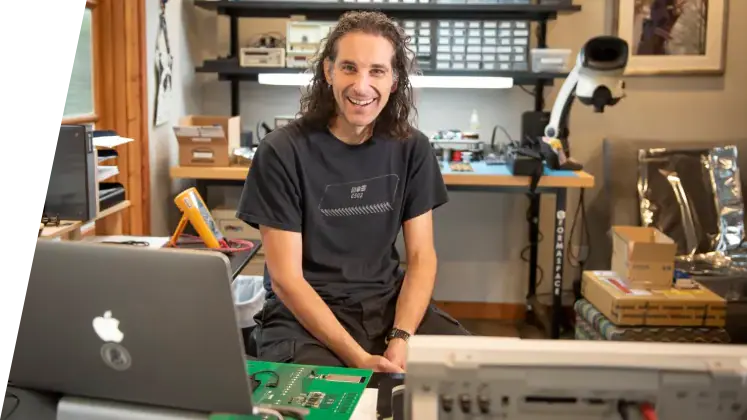
One of the most remarkable chapters in this ongoing story is documented right here in the Bitcoin Nostalgia archive. The tale of Joe Grand, the hardware hacker known as Kingpin, who spent months engineering a way into a locked wallet, is the kind of story that belongs in both a technical manual and a thriller novel simultaneously.
From the Archive
The Man Who Hacked Time: Joe Grand, a Lost Bitcoin Wallet, and the Bitcoin Nostalgia of Almost Losing It AllIt is one of the most extraordinary technical and human stories this archive has ever published. Hardware hacking, forensic patience, and a wallet pulled back from the edge of permanent loss.
And for those who want to understand how custom tools and older software have been used to reach back into the past, the archive also includes a detailed account of a Python-based recovery effort:
From the Archive
Claude to the Rescue: How a Custom Python Script Unlocked a 2013 Bitcoin WalletThe story of patience, technical creativity, and what happens when someone refuses to accept that a 2013 wallet is beyond saving.
The Pizza, the Forum Posts, and the Friends Who Almost Listened
The Human Cost of Being Early
Not all lost Bitcoin stories involve hard drives in landfills or encrypted USB devices.
Some of them live in the memory of people who were there, who understood what was happening, and who could not convince anyone around them to pay attention.
There is a specific kind of grief in having been right about something important at a moment when no one would listen. The early Bitcoin community is full of people who tried to share what they had discovered and were met with dismissal, laughter, or simple indifference.
In those years, the Bitcointalk forums were the primary gathering place for these believers. Threads from 2010 and 2011 are filled with people trying to explain, in plain language, what Bitcoin was and why it mattered.
The replies are sometimes supportive. Often they are skeptical. Frequently they are dismissive in the casual, confident way that people are dismissive before they know they are wrong.
Reading those threads today is its own form of time travel. Every skeptical reply carries the weight of what came after.
Laszlo Hanyecz and the Pizza That Became a Legend
On May 22, 2010, a programmer named Laszlo Hanyecz made what is now the most famous purchase in Bitcoin history.
He paid 10,000 Bitcoin for two pizzas.
At the time, this was considered a remarkable moment by the small community watching it happen. It was the first known real-world commercial transaction using Bitcoin. It proved the currency could work. The Bitcoin community celebrated it.
Hanyecz himself has consistently said in interviews that he has no regrets. He made history. He proved a point. The transaction did exactly what he needed it to do in that moment.
Bitcoin Pizza Day is now observed every year on May 22nd as a cultural touchstone. Not as a monument to loss, but as a reminder of the genuine, slightly chaotic human experiment that Bitcoin was in those earliest days. The full story and cultural meaning of that transaction is explored in the archive: Remembering the Pizza: A Bitcoin Nostalgia Look Back at the First Commercial Transaction.
The pizza mattered. Not because of what those coins became worth. But because someone trusted the experiment enough to use it.
The Archive as Act of Remembrance
Every one of these stories shares a common thread.
They are stories about people who were present at the beginning of something enormous, who navigated that beginning with the limited tools and limited understanding that any reasonable person would have had at the time, and who emerged from the experience carrying a particular knowledge of what it feels like to almost hold history in your hands.
That knowledge is not worthless. It is, in its own way, its own kind of inheritance.
The Bitcoin Nostalgia archive exists to make sure these stories are not reduced to punchlines or cautionary footnotes. Behind every lost hard drive and forgotten password is a real person who was paying attention when most of the world was not. That attention deserves to be honored.
From the Archive
Interactive Tools: Visualizing Old Wallets and Historical Transaction DataSee this history not just as text, but as data brought back to life. Explore old wallet structures and historical transaction records through the archive’s interactive tools.
The past is not gone. It is just waiting to be found again.
Keep This Memory Alive
If any part of these stories moved you. If you recognize yourself, or someone you knew, in the uncertainty and the wonder of those early years, this archive needs your help to survive.
Bitcoin Nostalgia runs without ads, without sponsored content, and without commercial agendas. It runs on the belief that these stories matter, and on the generosity of the community that lived them.
If you would like to support the preservation of this archive, a Bitcoin donation of any size helps keep the memory of these early days alive for the next generation of curious minds.
Keep This Archive Alive
Every satoshi contributed is a vote for memory over forgetting. Bitcoin Nostalgia runs on community support. Thank you for reading. Thank you for remembering.
bc1qu6v3m430v9ca0kxm3qk8cewcwukmfpf5rqakrj
Every satoshi is a vote for memory over silence.
From one nostalgic to another, Angel
Angel Salvador Dominguez
Founder & Chief Archivist, Bitcoin Nostalgia
bitcoinnostalgia.org
Disclaimer: This article is a historical and cultural archive. Nothing in this publication constitutes financial advice, investment guidance, or price speculation. Bitcoin Nostalgia is a memory archive, not a financial publication. All historical references are based on publicly available records, archived forum posts, and documented community history. Sources include The New York Times, Bitcointalk.org archives, Wikipedia, and publicly documented community records.