Picture a cold, quiet Tuesday in January 2009. No headlines. No cable news segments. No breathless tweets counting price ticks in real time. Somewhere on the early internet, a small cluster of cypherpunks, libertarian coders, and privacy advocates was reading a message buried in a mailing list.
A message that described something most of the world would spend the next decade trying to understand.
Bitcoin did not arrive with fireworks. It arrived like a whisper.
And that whisper is precisely what bitcoin nostalgia is all about.
Today, the story of Bitcoin's origins is buried under years of price charts, venture capital rounds, and institutional press releases. The raw, human texture of those early days — the forum debates, the technical wonder, the absolute disbelief of it all — is fading fast.
This archive exists to bring it back.
Pillar Archive
The Genesis Era: A Comprehensive Guide to Bitcoin's Early Days and Technological Origins →For the full foundation of how it all started, visit our deep-dive covering Bitcoin's founding, the whitepaper, and the technology that started it all.
Before the Price: The World Satoshi Sent His Whitepaper Into
October 31, 2008: The Whitepaper Lands
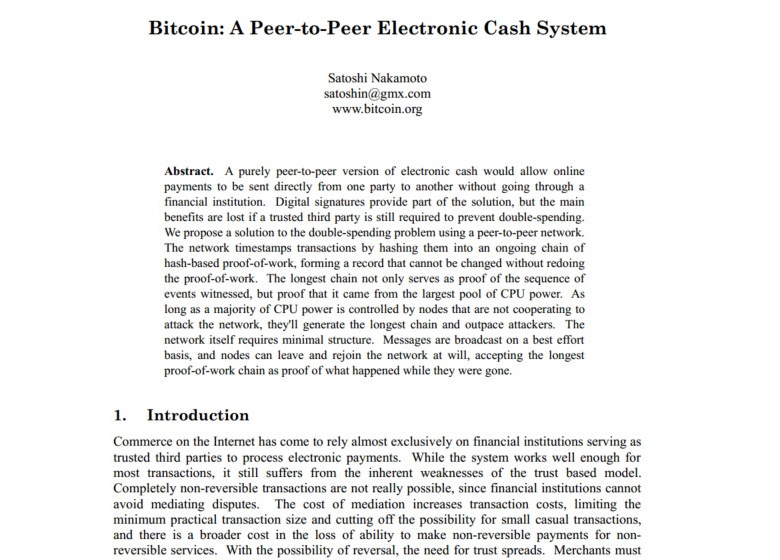
On Halloween night in 2008, a pseudonymous figure using the name Satoshi Nakamoto sent a nine-page PDF to a cryptography mailing list.
The subject line was almost bureaucratically calm: "Bitcoin P2P e-cash paper."
The world was in the middle of a historic financial crisis. Lehman Brothers had collapsed weeks earlier. Trust in banks was at a generational low. And here was this stranger, calmly proposing a peer-to-peer electronic cash system that required no banks, no governments, no third-party trust.
Most recipients were skeptical. Some were dismissive. A few were electrified.
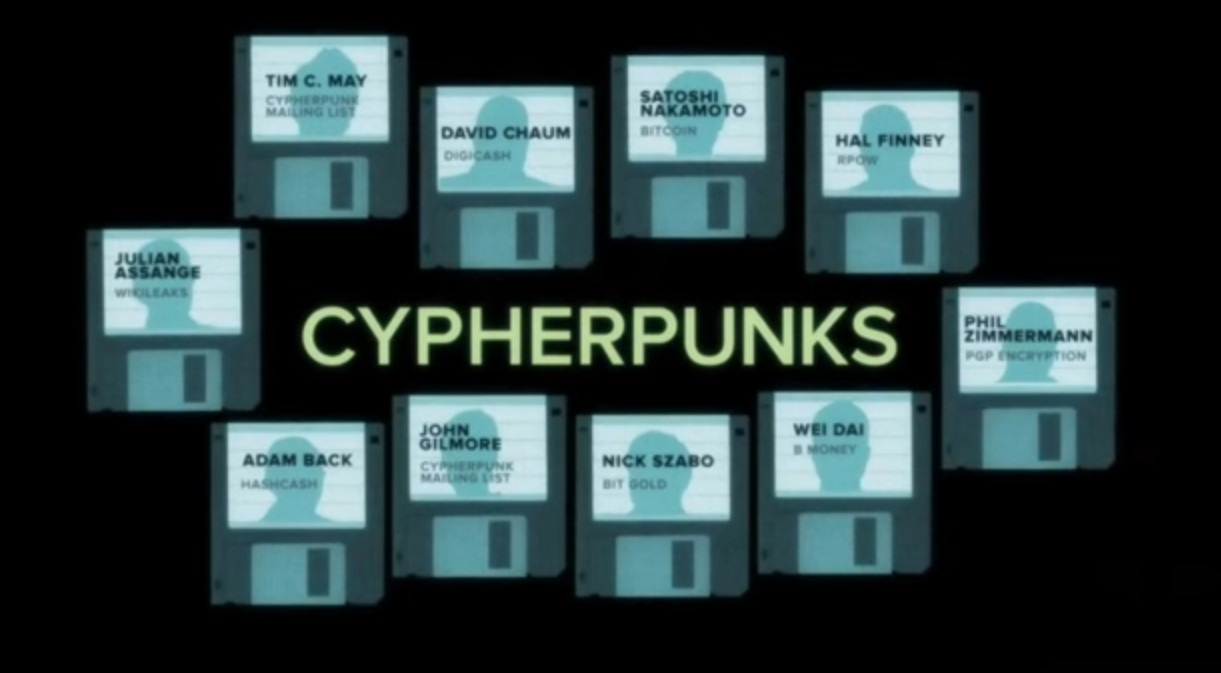
The early cypherpunk movement had been dreaming of something like this for years. Projects like DigiCash, b-money, and Hashcash had tried and fallen short. Satoshi's whitepaper synthesized ideas from all of them into something that actually worked.
January 3, 2009: The Genesis Block
The Bitcoin network went live on January 3, 2009. Satoshi mined the very first block himself — what the community would later call the "genesis block."
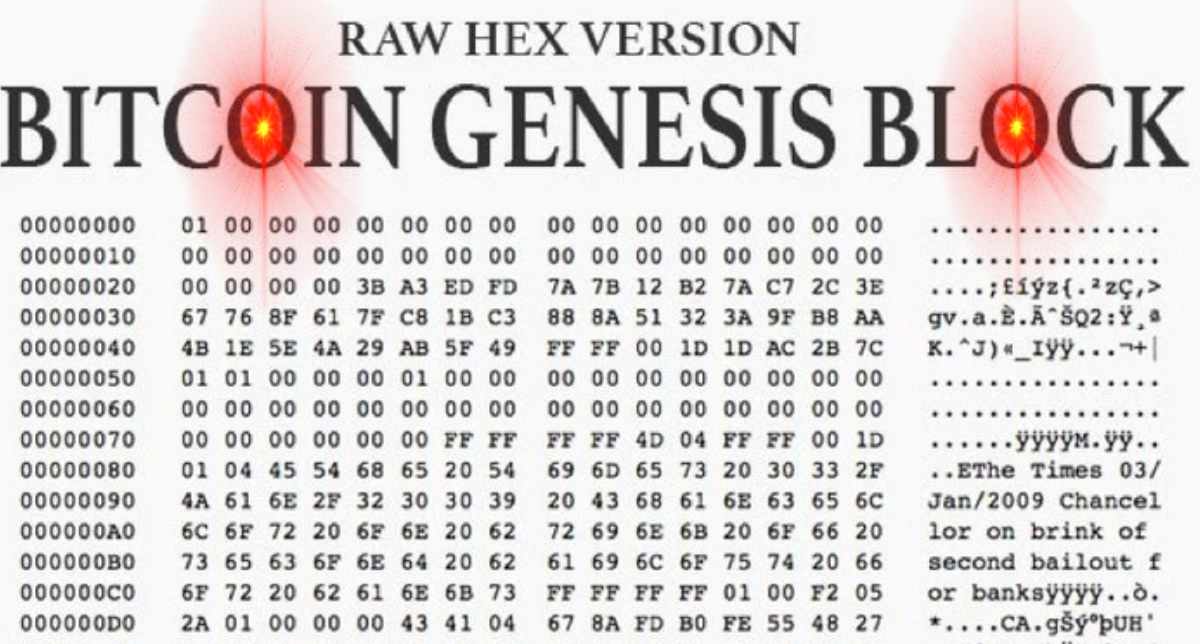
Buried inside that block's data was a message: a headline from that day's London Times.
"Chancellor on brink of second bailout for banks."
The Times, January 3, 2009 — embedded by Satoshi Nakamoto in the Bitcoin Genesis Block
It was not an accident. It was a timestamp. It was a statement.
Satoshi was setting the scene — and archiving the reason why a trust-free currency even needed to exist.
That kind of quiet poetry is something the bitcoin nostalgia community returns to again and again. It was not just code. It was a cultural act.
The Early Adopters: Who Was Actually on Those Forums?
When Satoshi launched Bitcoin, almost nobody was paying attention.
The early adopters were not Wall Street analysts or tech billionaires. They were cryptographers, open-source developers, libertarian idealists, and deeply curious programmers who spent their evenings arguing about monetary theory in IRC channels.
They were people who could read the whitepaper and understand what it meant before anyone else.
Hal Finney: The First Receiver
On January 12, 2009, just nine days after the genesis block, Satoshi sent 10 Bitcoin to a man named Hal Finney in the first peer-to-peer Bitcoin transaction ever recorded.
Hal was a cryptographer and one of the first people outside Satoshi to run the Bitcoin client. He had been working on digital cash concepts for years and immediately grasped the significance of what Satoshi had built.
He was also quietly battling ALS, a disease that would take his life in 2014 — the same year Mt. Gox collapsed.
In one of the most deeply human stories of the early Bitcoin era, Hal continued contributing to the project for as long as he physically could. He remains one of the most beloved figures in Bitcoin history, a reminder that behind every block was a human being with a story.
Archive: The First Transaction
The Day Satoshi Sent 10 BTC to Hal Finney and Changed Everything →Hal Finney received the very first Bitcoin transaction from Satoshi Nakamoto in January 2009. His story is essential to understanding what the early days truly meant.
The Bitcointalk Forums: Where the Culture Was Born
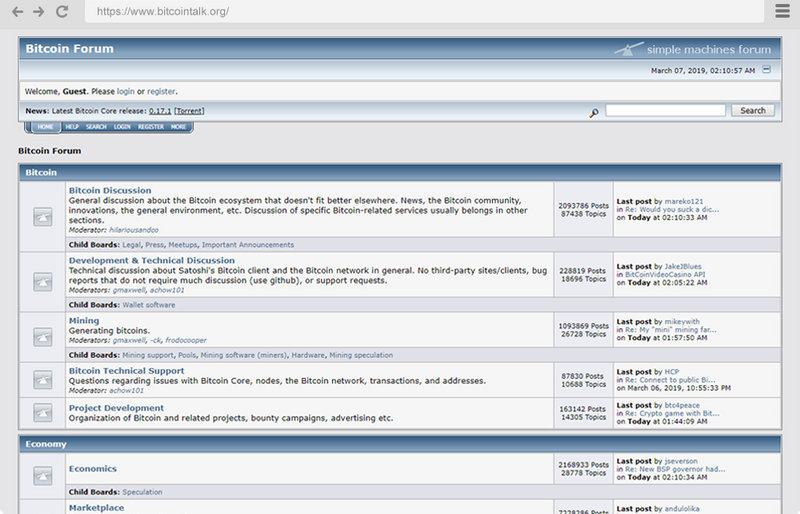
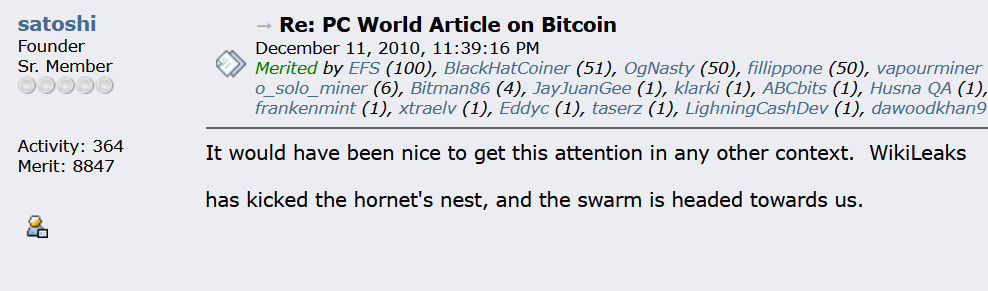
In November 2009, Satoshi himself launched the Bitcointalk forum. It became the central nervous system of the early Bitcoin community.
Thread by thread, a culture was being assembled from scratch.
Debates about the block size. Speculation about double-spend attacks. Tutorials on setting up a node. Requests for someone — anyone — to accept Bitcoin as payment for a real-world item.
That last wish became famous. In May 2010, a programmer named Laszlo Hanyecz posted a request that has since entered the permanent folklore of the internet.
He offered 10,000 Bitcoin for two pizzas. Someone took the deal.
Those pizzas, at the bitcoin 2010 price of a fraction of a cent per coin, represented the first documented commercial Bitcoin transaction. They are still celebrated every May 22nd as Bitcoin Pizza Day.
It was ridiculous. It was beautiful. It was exactly the kind of moment this archive exists to preserve.
Archive: The Pizza Transaction
Remembering the Pizza: A Bitcoin Nostalgia Look Back at the First Commercial Transaction →The story of Laszlo Hanyecz's 10,000 BTC pizza purchase is one of the most culturally significant moments in Bitcoin's early history. We have preserved the full archive here.
Satoshi's Silence: The Disappearance That Changed Everything
Perhaps the strangest and most enduring chapter of the early Bitcoin era is the one that never truly ended.
In late 2010, Satoshi Nakamoto began to withdraw.
He handed development responsibilities over to a small group of developers, made a few final forum posts, and then, sometime in April 2011, he was simply gone.
No goodbye. No farewell speech. No Twitter account announcing retirement.
He left a Bitcoin wallet that has never moved. He left a white paper. He left a network.
The Mystery That Outlasted the Man
The question of who Satoshi Nakamoto actually was has become one of the defining mysteries of the internet age.
Is it one person or a group? A brilliant American programmer? A British academic? A Japanese expat with a taste for historical timestamps?
Dozens of serious investigations have failed to produce a definitive answer. The few individuals who have publicly claimed to be Satoshi have provided no credible cryptographic proof.
The mystery is part of the architecture now. It has become inseparable from the cultural mythology surrounding Bitcoin's origins — and it is one of the reasons the satoshi nakamoto early days remain such fertile ground for historical reflection.
I remember sitting with this question back in 2011, reading forum posts from people who genuinely could not decide whether Satoshi was a genius recluse, a government plant, or a collective pseudonym for a small group of cryptographers.
Nobody could agree. And somehow, that ambiguity made it all feel more real — more human — than any official origin story could have.
The Price Nobody Was Watching: Bitcoin in 2010 and 2011
People always ask about the bitcoin 2010 price as if it were the main event.
It was not. Not to the people who were there.
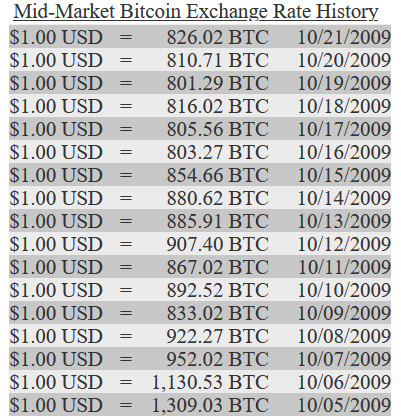
In the early months of 2010, Bitcoin had no reliable exchange price at all. There were scattered trades on Bitcointalk, people swapping coins for goods, and rough estimates based on computational costs.
When the first proper exchange, Mt. Gox, launched in July 2010, Bitcoin was trading for a fraction of a cent per coin.
By February 2011, it briefly reached parity with the US dollar — one Bitcoin, one dollar. A milestone that the forum celebrated with genuine disbelief.
By June 2011, it had climbed to around $31 before crashing back down sharply. The early community called it the "first bubble." They treated it as proof of concept, not a lottery win.
The price was a curiosity, a data point. The real prize, for those who were paying attention, was watching something that had never existed before find its first footing in the world.
I could not invest even when the coins were nearly free. Personal circumstances made that impossible. But I watched. And I remember.
Related Cluster
Comparative Analysis: Early Bitcoin's 'Wild West' Ethos vs. Current Institutional Perception →If you want to understand how the culture around those prices looked compared to today's institutional landscape, this comparative analysis tells you everything about how far the culture has traveled.
What Made Those Early Days Different: The Feeling That's Hard to Describe
There is something almost impossible to communicate to people who arrived after 2017.
The early Bitcoin community was not driven by the idea of getting rich. It was driven by the idea of building something that had never existed — a financial system that could operate without anyone's permission.
The debates were about ideas, not prices. Whether Bitcoin's fixed supply was philosophically sound. Whether anonymous transactions constituted a human right or a criminal tool. Whether Satoshi's code was elegant or flawed. Whether the whole thing would simply collapse within a year.
There was real fear woven into the excitement. People understood they were running an experiment. Nobody knew if it would hold.
The Cypherpunk Spirit That Carried It
The cypherpunk movement had been building toward this moment for twenty years.
Starting in the early 1990s, a loosely connected group of activists, cryptographers, and software developers had been sharing ideas about using cryptography to protect individual privacy from governments and corporations.
They traded manifestos and code through mailing lists. They built tools like PGP encryption. They argued, relentlessly, about what a free digital society might look like.
Bitcoin was, in many ways, their most complete answer.
And for a few years, before the venture capitalists arrived and the hedge funds started running algorithmic trades, the Bitcoin community carried that same energy. It was ideological. It was scrappy. It was genuinely weird in the best way.
That weirdness, that particular combination of paranoia and wonder, is exactly what the term "good old days" means to the people who were there.
Related Cluster
What Defines the 'Good Old Days' of Bitcoin? →Our companion piece explores precisely what made those early years feel so irreplaceable — through the voices of early participants who still carry that period with them.
Frequently Asked Questions
Who were the early Bitcoin adopters?
The earliest Bitcoin adopters were primarily cryptographers, open-source developers, libertarian activists, and privacy-focused technologists. Many came from the cypherpunk community that had been building encryption tools and debating digital cash concepts throughout the 1990s and 2000s. They were drawn to Bitcoin's technical elegance and its philosophical implications for financial sovereignty — not to speculation.
What was the Bitcoin 2010 price?
In the early months of 2010, Bitcoin had no stable market price and was traded informally on forums like Bitcointalk. The launch of the Mt. Gox exchange in July 2010 began to formalize trading. In early 2010, Bitcoin was valued at fractions of a cent. By February 2011, it briefly reached rough dollar parity for the first time. The infamous Bitcoin Pizza transaction of May 2010 is often used as an early price benchmark, with 10,000 BTC exchanged for two pizzas.
What is the Bitcoin genesis block and why does it matter culturally?
The genesis block is the first block ever mined on the Bitcoin blockchain, created by Satoshi Nakamoto on January 3, 2009. Beyond its technical significance, the genesis block contains an embedded message referencing a newspaper headline about a banking bailout — a deliberate cultural statement by Satoshi about the purpose of Bitcoin. It remains one of the most symbolically loaded artifacts in the history of the internet.
Why did Satoshi Nakamoto disappear?
Satoshi Nakamoto gradually withdrew from public activity in late 2010, delegating development to core contributors. His last known communication was in April 2011. No definitive reason has ever been given. Theories range from a deliberate choice to protect the project's decentralized identity, to personal privacy concerns, to the possibility that 'Satoshi' was always a collective pseudonym. The mystery remains unsolved and has become a defining part of Bitcoin's cultural mythology.
What made the early Bitcoin community different from today's crypto culture?
The early community was primarily ideological rather than financially motivated. Debates centered on cryptography, monetary theory, personal freedom, and the technical challenges of building a trustless system. There was no venture capital presence, no mainstream media coverage, and no institutional involvement. The culture was small, argumentative, technically rigorous, and genuinely uncertain about whether the project would survive — a combination that created a distinct sense of collective mission that is difficult to replicate.
Help Keep This Memory Archive Alive
These stories do not live in any official history book.
They live in scattered forum archives, cached pages, and the fading memories of a few thousand people who happened to be paying attention at exactly the right moment.
Bitcoin Nostalgia exists to collect them, preserve them, and make sure they are not lost beneath the noise of the present.
If you lived Bitcoin's early days, if you remember the forums and the arguments and the quiet thrill of watching something impossible slowly become real, please help keep this archive going.
Keep This Archive Alive
Bitcoin Nostalgia runs on memory and community support. Every satoshi helps keep the archive running and the stories alive. Thank you for reading. Thank you for remembering.
bc1qu6v3m430v9ca0kxm3qk8cewcwukmfpf5rqakrj
Keep the memory alive.
Angel
Founder & Chief Archivist, Bitcoin Nostalgia
bitcoinnostalgia.org
Disclaimer: This article is a historical and cultural archive. Nothing in this publication constitutes financial advice, investment guidance, or price speculation. Bitcoin Nostalgia is a memory archive, not a financial publication. All historical references are based on publicly available records, archived forum posts, and documented community history. Sources include the Bitcoin whitepaper, Bitcointalk.org archives, the Bitcoin Wikipedia entry, and the Wayback Machine.