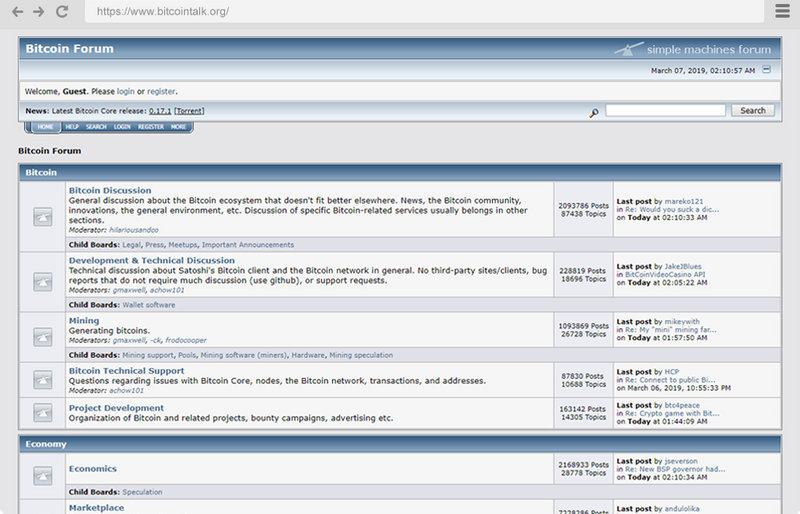
There is a moment I return to, often, in my memory. It was sometime in 2010. I was sitting in front of a secondhand monitor, clicking through threads on a forum that most people had never heard of, reading posts from a handful of strangers who were convinced they were building the future of money. No cameras. No headlines. No institutional billions. Just a few dozen voices and a peculiar, brilliant white paper written by someone nobody could find. That quiet, chaotic, electric feeling is what I call bitcoin nostalgia. And it is slipping away from us faster than any of us realize.
The World Before Bitcoin Was "Bitcoin"
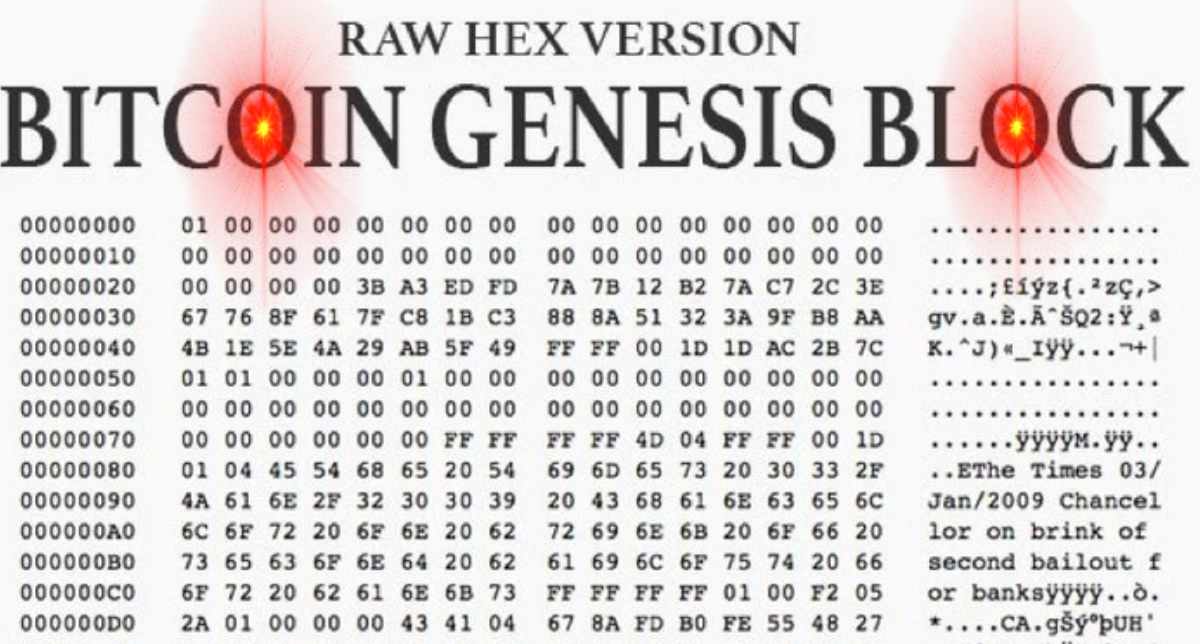
Before the ticker symbols, before the headlines, before the ETF approvals and the corporate treasuries, Bitcoin existed in a space that most people simply did not believe in.
The Bitcointalk forums launched in November 2009, just months after the network itself went live. What happened there reads almost like dispatches from another civilization.
People were posting about block rewards, node configurations, and wallet security in threads that received maybe twelve replies. The posts were long. The grammar was imperfect. The excitement was completely genuine.
Early bitcoin adopters were not wealthy speculators. Many were students, software developers, libertarian philosophers, and privacy advocates. They were people who had read the whitepaper, understood what it was trying to solve, and decided to devote their spare hours to something the world had not yet bothered to name as important.
That combination — technical curiosity plus ideological fire — is something you cannot manufacture. And it is something the current era of Bitcoin simply cannot replicate.
What Made the Early Days Different
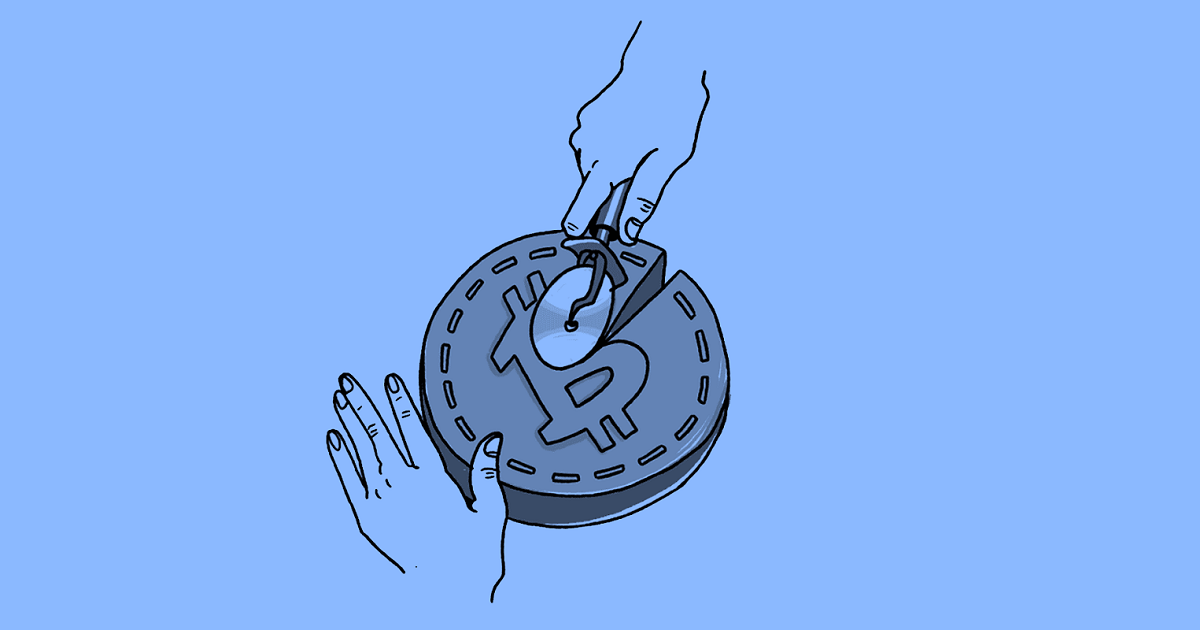
Ask anyone who was there, and they will tell you the same thing in different words.
It felt like a secret. Not a dangerous secret. A beautiful secret — the kind shared between people who have just discovered something they cannot quite explain to anyone outside the room.
The first documented real-world Bitcoin transaction happened in May 2010, when a programmer named Laszlo Hanyecz arranged to have two pizzas purchased for 10,000 BTC. The forums celebrated it. Not because the price was significant, but because the concept worked. A digital coin, born from pure mathematics, had moved through the internet and become pizza.
That was the miracle they were chasing. Not fortune. Proof.
The early bitcoin adopters were not asking "when will this make me rich?" They were asking "can this actually work?" And each time the answer came back yes, the community grew a little louder and a little more certain that they were onto something the world was not yet ready for.
The Culture That Grew in the Quiet
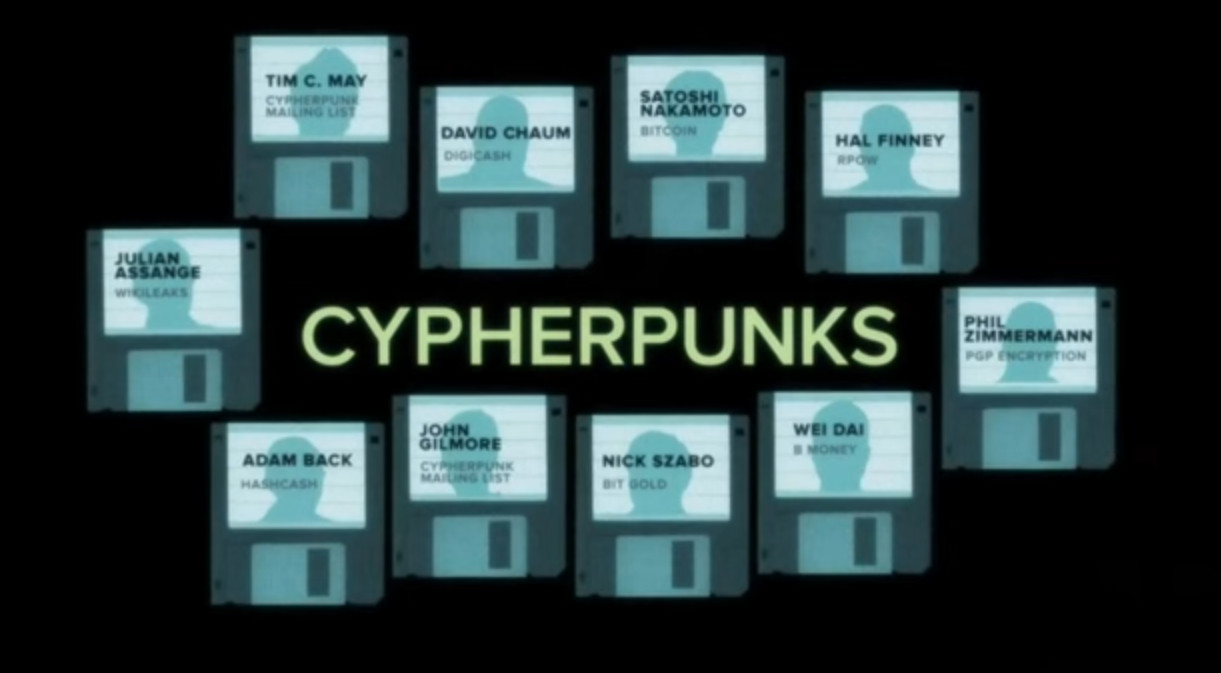
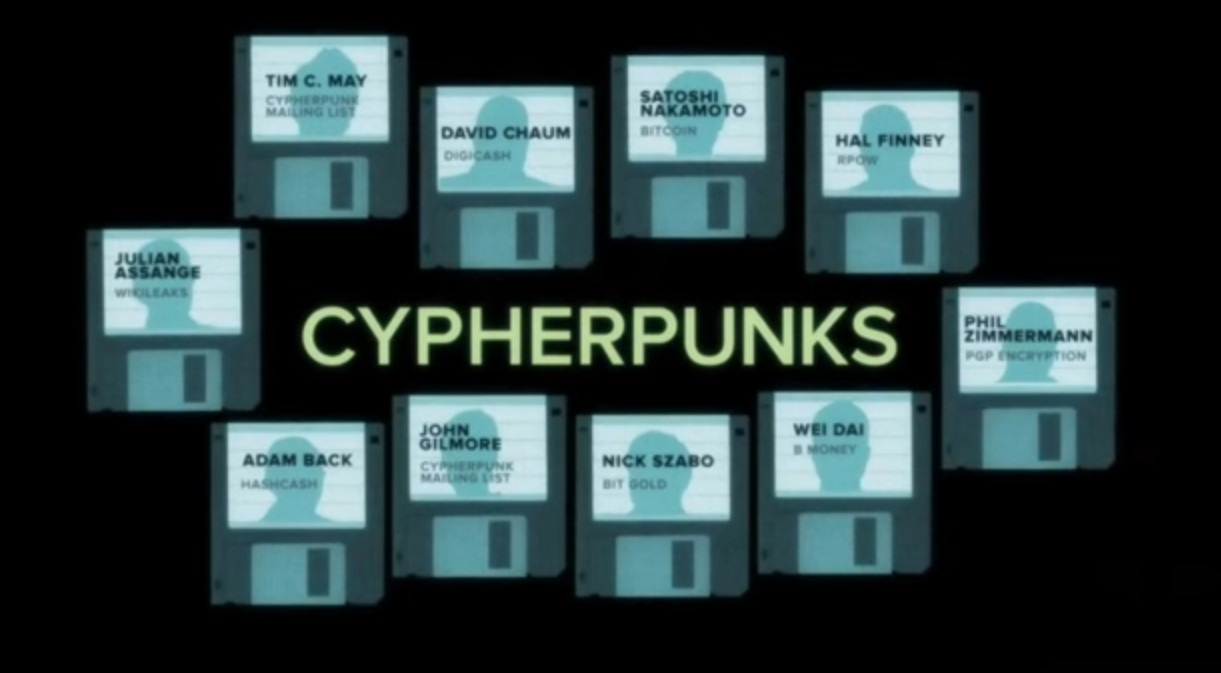
Bitcoin's early culture was shaped almost entirely by the cypherpunk movement — a loose collection of cryptographers, technologists, and privacy advocates who had been dreaming of a decentralized digital currency long before Satoshi Nakamoto formalized it.
The cypherpunk mailing lists had debated digital cash concepts throughout the 1990s. Names like Wei Dai, Nick Szabo, and Hal Finney were known and respected in those circles years before the blockchain existed.
When Bitcoin arrived, it felt to many of those early thinkers like the answer to a question they had been asking for decades.
Archive note
The culture that formed was not one of wealth or status. It was one of shared reading, shared building, and shared disbelief that the rest of the world had not caught on yet. Forums were the social networks. Threads were the town squares. Long, dense arguments about cryptographic theory and economic philosophy were the entertainment.
I read those threads the way some people read novels. Following the arguments. Learning the names. Watching a community construct itself around an idea that the mainstream was not ready to take seriously.
That was bitcoin nostalgia before the term even existed.
The Moment It Started to Change
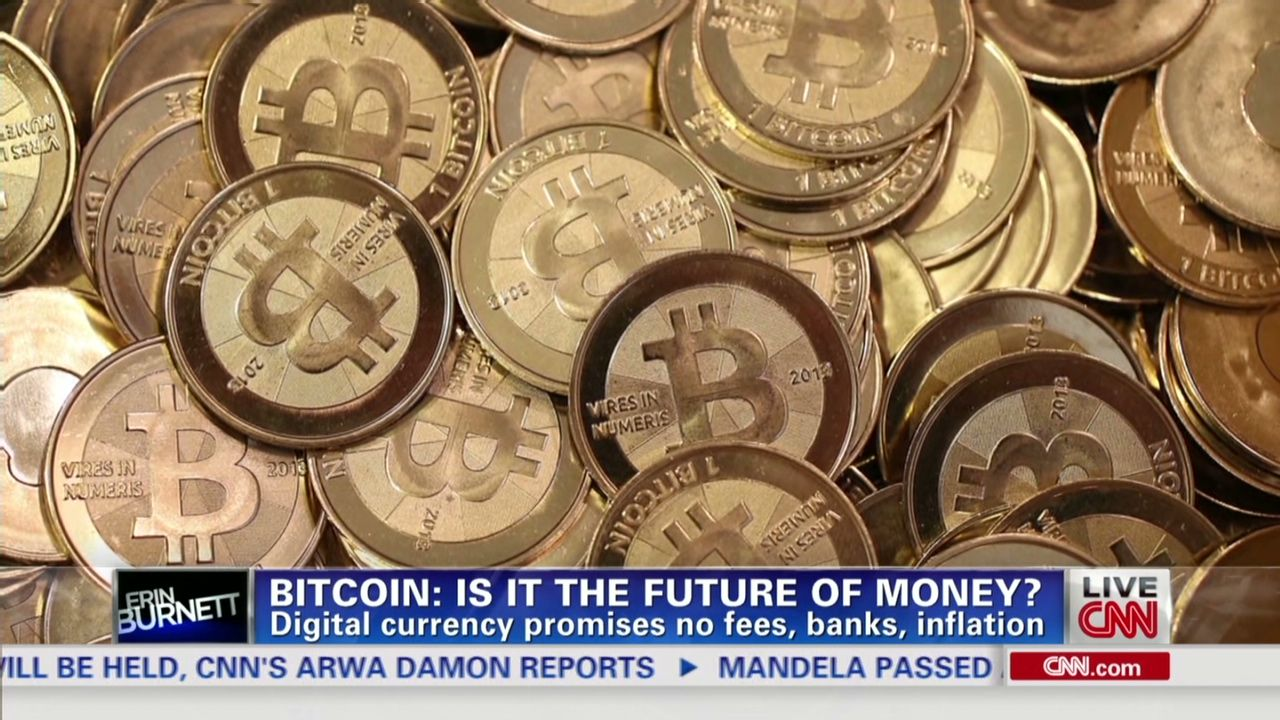
The summer and fall of 2013 are etched into the memory of everyone who was paying attention.
Bitcoin crossed one hundred dollars in April of that year. By November, it had reached over one thousand dollars per coin for the first time. The mainstream media, which had spent years either ignoring or mocking Bitcoin, turned toward it all at once.
The quiet forums were suddenly crowded.
New voices arrived. Some were curious. Some were opportunistic. Some did not know what a private key was but were very interested in profits. The character of the conversation shifted in a way that is difficult to describe if you were not there to feel it.
It was not a bad thing, exactly. Growth was always the goal. But something fragile and irreplaceable was dissolving at the edges.
The early bitcoin adopters who had built this community from almost nothing were no longer the loudest voices in the room.
Further Reading
The Genesis Era: A Comprehensive Guide to Bitcoin's Early Days and Technological Origins →For a full understanding of Bitcoin's origins and the technical and social forces that shaped this era — from the genesis block to the first global wave of recognition.
Why We Preserve This
History has a way of flattening complexity into myth.
The danger with Bitcoin's story is that the current era — the era of institutional adoption and household name recognition — is writing over the early chapters. What remains in the popular imagination is a simple narrative: someone invented digital money, it became very valuable, and everyone got excited.
That narrative erases the years of quiet, uncertain, passionate labor that made any of it possible.
It erases Laszlo and his pizzas. It erases the cypherpunk debates. It erases the forum regulars who answered the same beginner question hundreds of times because they genuinely believed in what they were building. It erases the people like me who watched from the outside, without the resources to participate financially, but who understood they were watching something that would one day be impossible to recreate.
Bitcoin nostalgia is not about loss. It is about witness. It is about making sure that the human story of Bitcoin's origin does not get filed away behind price charts and forgotten entirely.
These stories belong to the historical record. And someone has to keep them.
Frequently Asked Questions
What does "bitcoin nostalgia" mean in the context of early cryptocurrency culture?
Bitcoin nostalgia refers to the collective emotional memory of Bitcoin's early era — roughly 2009 through 2013 — when the network was small, the community was tight-knit, and the motivations were primarily ideological rather than financial. It describes both the feeling of those who were present and the curiosity of those who study that period as a formative moment in internet history.
Who were the early bitcoin adopters, and what motivated them?
Early bitcoin adopters were primarily cryptographers, software developers, libertarian-leaning technologists, and privacy advocates who had been engaged with digital currency concepts through cypherpunk communities long before Bitcoin launched. Their motivations were largely ideological, centered on decentralization, financial privacy, and the belief that a trustless monetary system was both technically possible and socially necessary.
What was the Bitcointalk forum, and why was it important?
Bitcointalk was the online forum created by Satoshi Nakamoto in November 2009 to facilitate discussion about Bitcoin. It became the primary gathering place for early bitcoin adopters, hosting debates on protocol development, security, real-world use cases, and the philosophical underpinnings of decentralized currency. Many of the most historically significant early Bitcoin discussions — including the famous pizza transaction post — originated there.
What happened to Bitcoin's early community culture as it grew?
As Bitcoin's price rose sharply in 2013 and media coverage intensified, the composition of the community shifted. The deeply technical, ideologically motivated early culture gradually gave way to a broader, more diverse audience that included financial speculators and casual observers. Many early participants describe this period as the end of Bitcoin's "underground" era.
Why is it important to document Bitcoin's early cultural history now?
The early cultural history of Bitcoin — its forum debates, its founding personalities, its ideological roots — is at risk of being obscured by the dominant contemporary narrative, which focuses almost entirely on price history and institutional adoption. Documenting this period ensures that the human and cultural context of one of the most significant technological developments of the 21st century is preserved for future historians, researchers, and anyone who wants to understand not just what Bitcoin became, but how it began.
Keep This Memory Alive
If you found yourself nodding along while reading this — if some part of you remembers or wishes you could remember those quiet forum nights and the electric feeling of a world on the edge of something new — then you already understand why this archive exists.
Bitcoin Nostalgia is built to preserve exactly these stories. Not the price charts. Not the market cycles. The human record.
If you want to help keep this memory alive and ensure these histories are not lost to time, consider supporting this archive with a small Bitcoin donation. Every satoshi contributed goes directly toward keeping these records available, accessible, and free for anyone who wants to remember.
Support Bitcoin Nostalgia
Every satoshi helps preserve these histories — making them available for anyone who wants to remember where this all began.
bc1qu6v3m430v9ca0kxm3qk8cewcwukmfpf5rqakrj
Keep the memory alive. — Angel, Founder & Chief Archivist, Bitcoin Nostalgia
Disclaimer: This article is a historical and cultural archive. Nothing in this publication constitutes financial advice, investment guidance, or price speculation. Bitcoin Nostalgia is a memory archive, not a financial publication. All historical references are based on publicly available records, archived forum posts, and documented community history. Sources include archived Bitcointalk threads, the original Bitcoin whitepaper, and records preserved through the Wayback Machine.