
There is a specific type of silence that exists before something enormous happens — the silence before the storm, before the crowd, before the world catches on. This is the most complete guide I know how to write to the genesis era of Bitcoin: the culture, the characters, the first transaction, the forums, and the human chaos of the beginning.
Introduction: The World Before the Whitepaper
I found it in 2010. A paragraph buried deep in a technology blog, sandwiched between two stories about smartphone apps and a debate about social media. A few lines about a cryptographic currency being traded among a small group of coders and libertarian idealists. Something called Bitcoin.
I did not buy in. My life would not allow it. But I watched. I read every forum post I could find. I followed the Bitcointalk threads with the devotion of someone watching a campfire that might become a wildfire. And what I witnessed over the next decade was one of the strangest, most human stories the digital age has ever produced.
This is not a price guide. This is not an investment article. This is a memory archive — a place to return to those years before bitcoin nostalgia became a trending search term, back when it was simply the raw, unpolished reality of people building something in the dark.
The Cypherpunk Underground: Where Bitcoin Was Born
Bitcoin did not emerge from a bank. It did not come from a government lab or a Silicon Valley whiteboard session. It was born inside a mailing list.
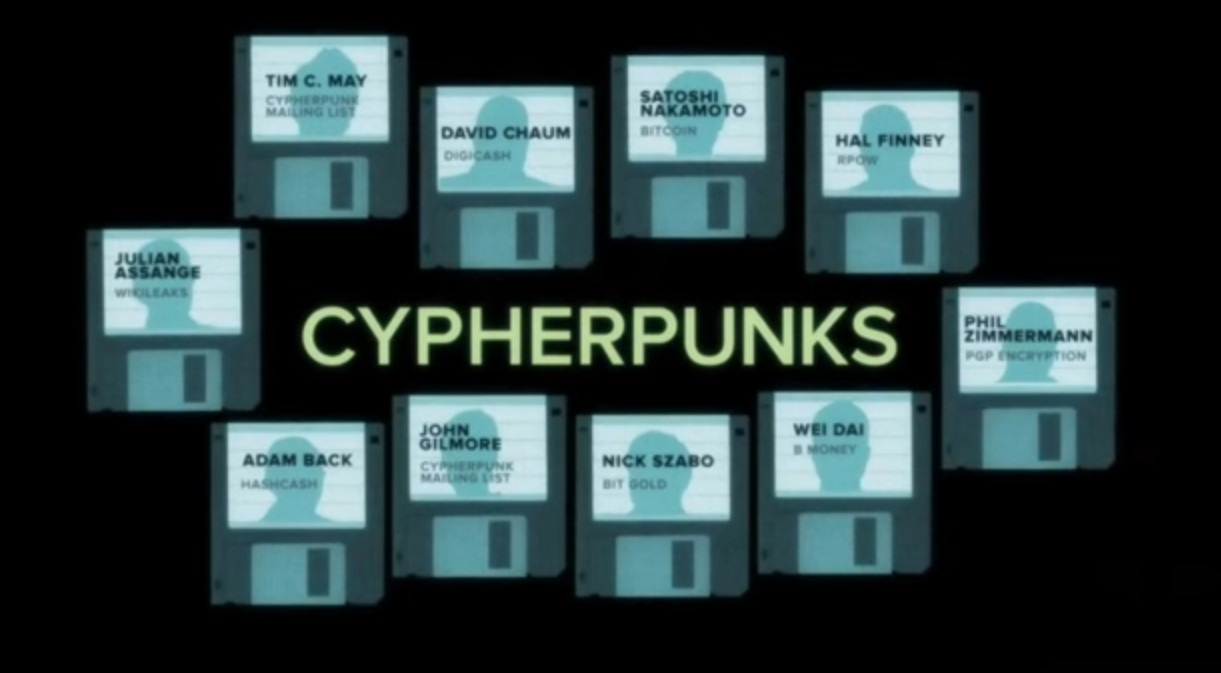
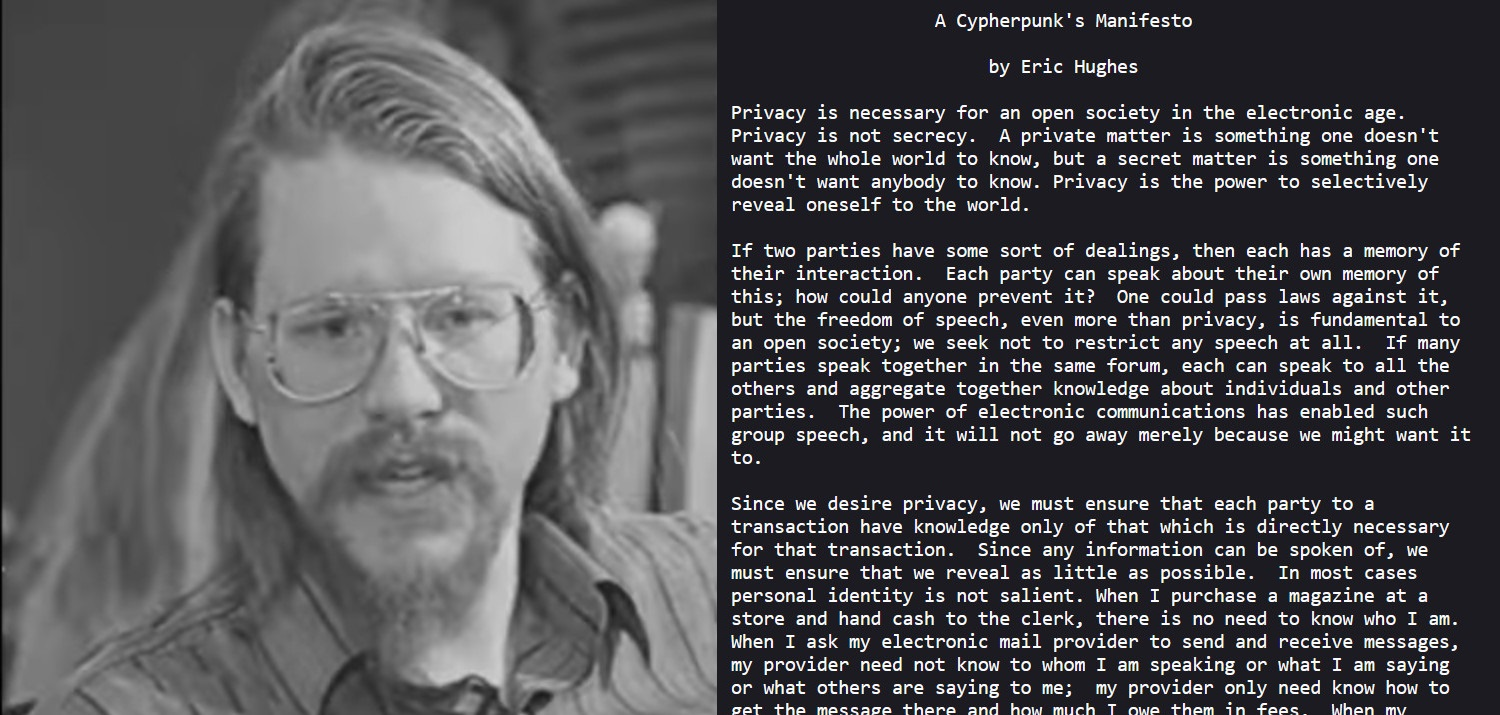
The cypherpunk movement had been alive since the late 1980s, a loose collective of mathematicians, programmers, and privacy advocates who believed that cryptography was the most powerful political tool of the modern age. People like Timothy C. May, Eric Hughes, and John Gilmore exchanged ideas through encrypted emails and manifesto-length documents about digital cash, anonymous communication, and the erosion of state surveillance.
Eric Hughes published the Cypherpunk Manifesto in 1993. Its opening line made the mission plain: privacy is necessary for an open society in the electronic age.
"Privacy is not secrecy. A private matter is something one does not want the whole world to know, but a secret matter is something one does not want anybody to know. Privacy is the power to selectively reveal oneself to the world."
— Eric Hughes, A Cypherpunk's Manifesto (1993)
This was the intellectual soil from which Bitcoin grew. Projects like DigiCash, b-money, and Hashcash all moved pieces of the puzzle into place, each failing at the same wall: the double-spend problem — preventing the same digital token from being used twice. Until one anonymous person chose to try again.
The Predecessors: Standing on Giant Shoulders
Wei Dai's b-money proposal (1998) outlined untraceable digital cash among pseudonymous participants. Hal Finney's Reusable Proof of Work (2004) created a system for transferring cryptographic tokens. Adam Back's Hashcash provided the proof-of-work function Bitcoin would later use as the foundation of its mining process. These were not failures — they were the unfunded R&D that made everything possible.
The Whitepaper and the Genesis Block (2008–2009)
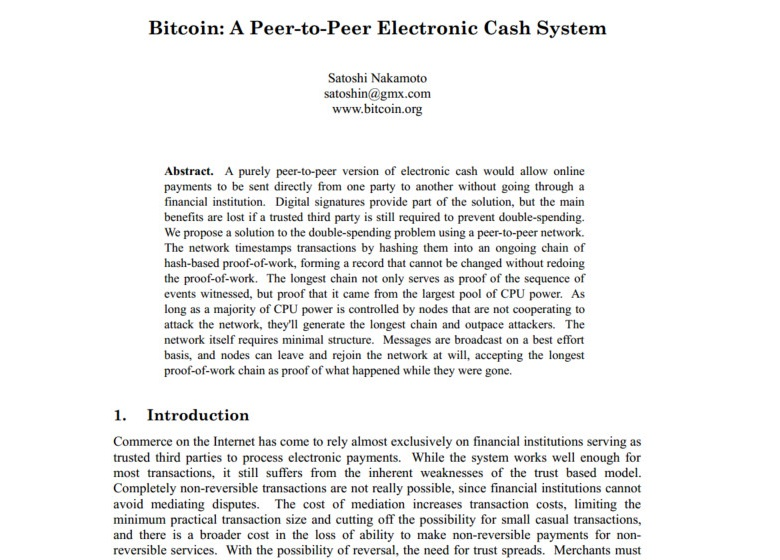
On October 31, 2008, a message arrived on the Cryptography Mailing List. The sender used the name Satoshi Nakamoto. The subject line read: Bitcoin P2P e-cash paper.
The email was nine sentences long. It linked to a nine-page whitepaper titled Bitcoin: A Peer-to-Peer Electronic Cash System. Most recipients ignored it. A few read it twice. It described a system for digital transactions requiring no trusted third party — no bank, no clearinghouse, no government. Released on Halloween. A detail that, in retrospect, feels almost too perfect.
Block Zero: The Message Embedded in Stone
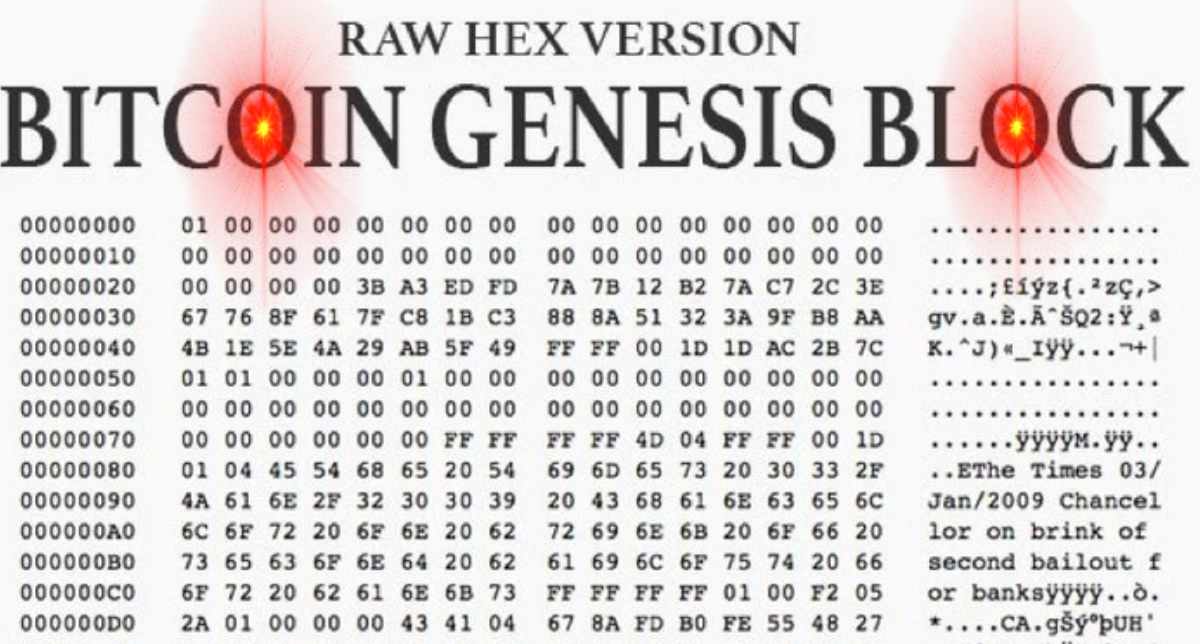
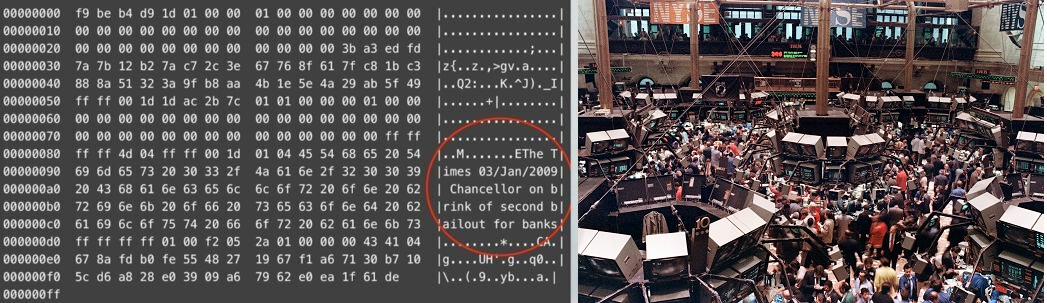
On January 3, 2009, Satoshi mined the first block of the Bitcoin blockchain — the Genesis Block. Embedded in its coinbase data was a sentence from The Times published that exact day: Chancellor on brink of second bailout for banks.
A timestamp, or a political statement? Both, probably. That double meaning became central to bitcoin nostalgia — the first piece of culture the network ever produced. A message in a bottle, thrown into the digital sea by someone already gone by the time most of us arrived.
The First Coins and the Invisible Network
On January 9, 2009, Bitcoin version 0.1 was released on SourceForge. Three days later, Satoshi sent 10 bitcoin to Hal Finney — a cryptographer and cypherpunk who had been among the first to respond to the mailing list post. The first bitcoin transaction between two human beings.
Hal tweeted that day: Running bitcoin. Three years later he was diagnosed with ALS. He continued working on Bitcoin from a wheelchair, dictating changes through eye-tracking software, before his death in 2014. He had his body cryonically preserved. He was one of the best of us, in ways the price charts will never capture.

The First Bitcoin Transaction: Pizza, Code, and History
If the Genesis Block was the technical birth of Bitcoin, then May 22, 2010, was its cultural birthday.
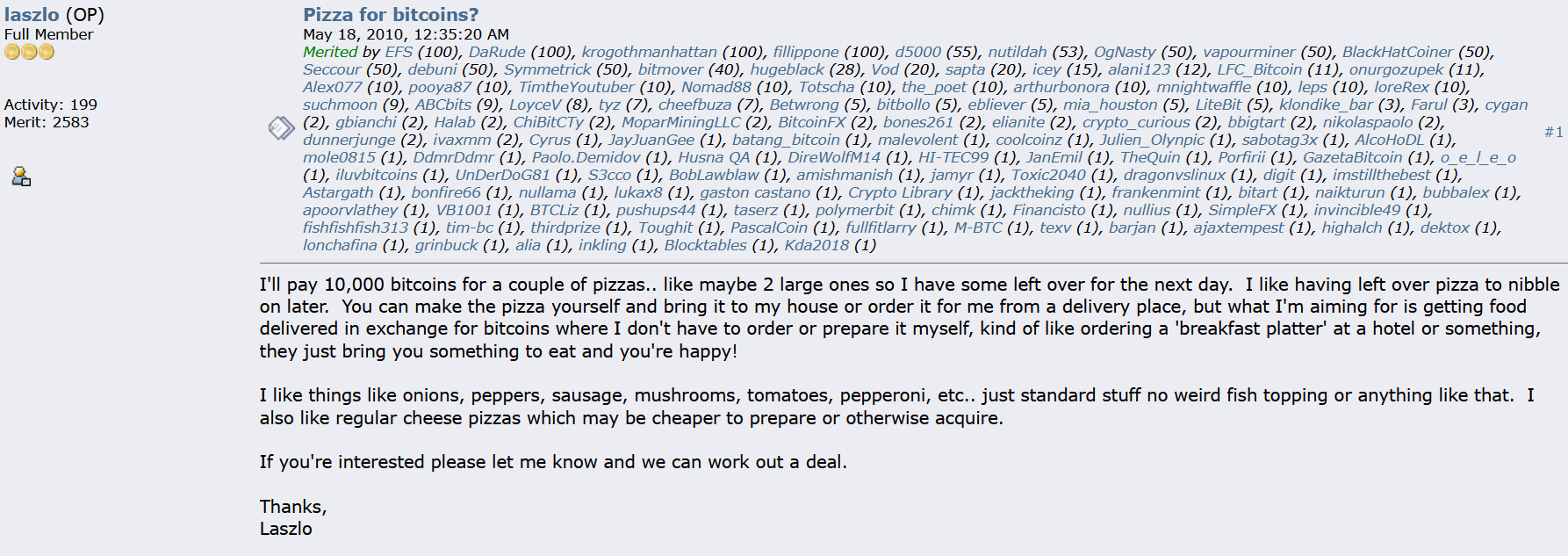
A programmer named Laszlo Hanyecz paid 10,000 BTC for two pizzas. The pizzas were delivered. The transaction was recorded on the blockchain. Bitcoin nostalgia found its most beloved and bittersweet origin story.
Laszlo posted his request on Bitcointalk on May 18, 2010: Pizza for bitcoins? A British man named Jeremy Sturdivant took the deal, ordered via Papa John's, and completed the exchange.
Why the Pizza Story Matters
It endures not because of the numbers, but because it proved something essential: someone used Bitcoin to buy something real. The technology worked. An actual economic transaction happened on a decentralized network between two strangers, with no bank in between.
Laszlo expressed no regret. He said he was happy to have contributed — that someone had to do it. He was a builder who wanted to prove the system worked. He proved it. May 22 is now commemorated annually as Bitcoin Pizza Day by communities around the world.
The First Exchanges and the Bootstrapped Economy
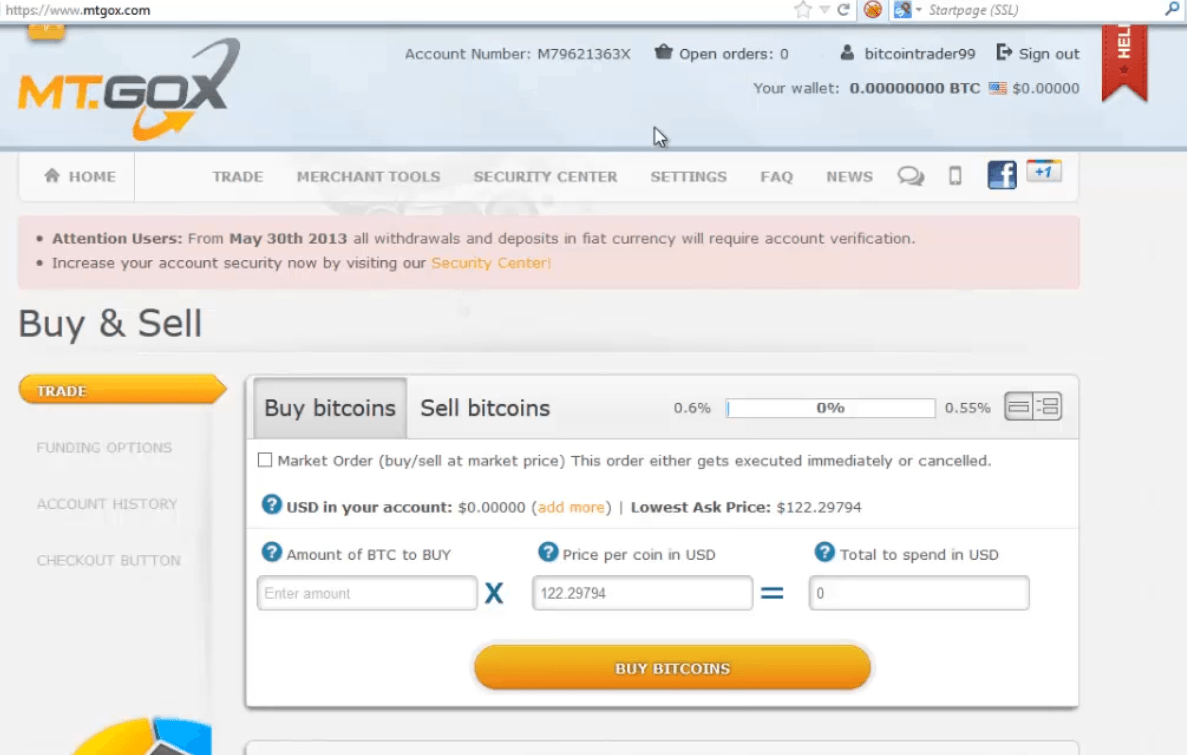
By 2010, Mt. Gox had emerged — originally a trading card exchange for Magic: The Gathering (Magic The Gathering Online eXchange), pivoted to Bitcoin by Jed McCaleb. It would handle the majority of global Bitcoin transactions at its peak, then collapse catastrophically in 2014 in one of the most documented disasters in internet history. But in 2010, it was just a scrappy site run by one person, making it slightly easier to buy bitcoin with dollars.
The Forums, the Faithful, and the Early Bitcoin Adopters
The culture of the genesis era lived on Bitcointalk. Launched by Satoshi in November 2009, it was the primary gathering place for everyone who found Bitcoin in those first years. Its defining quality: total uncertainty. Nobody knew if Bitcoin would survive, scale, be banned, or fade away. The people who stayed were, by definition, believers in something they could not fully prove.
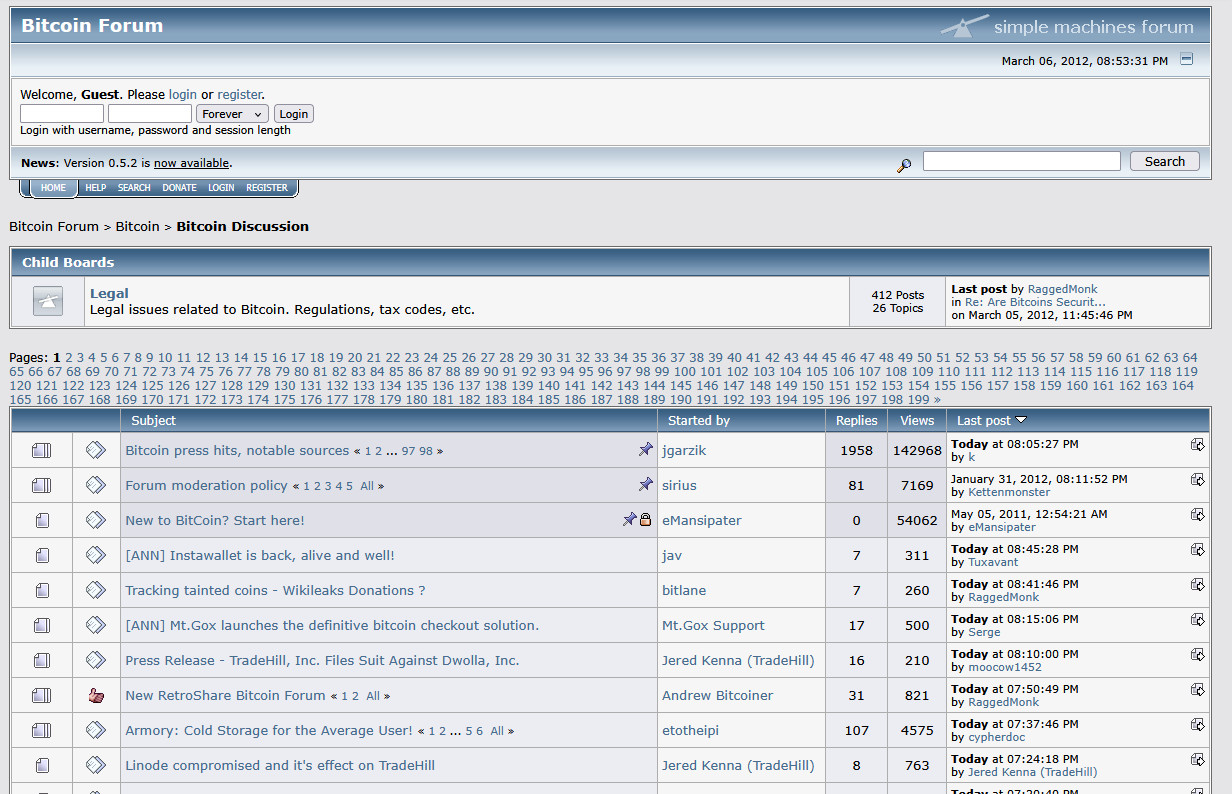
What Was Bitcoin Like in the Beginning?
People who stumbled onto Bitcoin in 2010 and 2011 often describe a sensation of culture shock — but in reverse. The space was not exciting in the way later bull runs would be. It was quiet, strange, and deeply intellectual. Conversations were not about price. They were about the Byzantine Generals Problem, SHA-256 hash functions, the political implications of a censorship-resistant currency, and whether Satoshi was a person or a group.
Archive note
The early adopters were not investors in the modern sense. Many were programmers running nodes simply because they believed the infrastructure needed to exist. Others were libertarians drawn to the philosophical implications. A small number were privacy advocates from the cypherpunk tradition who recognized what they were looking at immediately. Almost none of them predicted the scale of what would come.
The Mystery of Satoshi Nakamoto
The name is Japanese, but linguistic analysis of the whitepaper and forum posts suggested a native English speaker with British spelling habits. The entity communicated steadily on Bitcointalk from 2009 to December 2010, then gradually fell silent, handing the codebase to Gavin Andresen.
On April 26, 2011, Satoshi sent a final email: I've moved on to other things. It's in good hands with Gavin and everyone. Then vanished entirely, taking the private keys to an estimated 1 million early-mined BTC. The identity remains unknown. Dozens have been proposed, investigated, or claimed the title. None have provided definitive proof.
The creator of a trillion-dollar network disappeared without a trace. No press release. No exit interview. Just silence, and a blockchain that kept running without them.
The Quiet Years: Mining Culture and the Bootstrapped Economy (2011–2012)
The years 2011 and 2012 fall between the novelty of the genesis block and the explosion of the 2013 bull run — yet they are, in many ways, the most culturally rich years in the network's history. This was the era of the home miner: GPU rigs in bedrooms, forums full of overclocking tutorials, the quiet hum of machines earning newly minted coins.

In June 2011, the price on Mt. Gox reached ~$31 — a then-record — before collapsing to $2. The media briefly looked, then moved on. Meanwhile, the Silk Road launched, bringing Bitcoin its first wave of mainstream notoriety and serious regulatory scrutiny. For many outside the core community, it was their first exposure to the word Bitcoin. The reputational damage was significant.
The Developers Who Kept the Lights On
Gavin Andresen, Pieter Wuille, Gregory Maxwell, Jeff Garzik — none of them famous. Most had day jobs. They were building the backbone of what would become a globally significant financial network in their spare time, in open-source repositories, for no guaranteed compensation. That fact deserves its own permanent exhibit in any archive of digital history.
The 2013 Explosion and the End of the Genesis Era
Everything changed in 2013. The Cyprus banking crisis — a government levy on bank deposits above a certain threshold — drove dramatic interest in Bitcoin as a hedge against confiscation. The price ran from ~$13 in January to over $260 in April, before crashing back sharply.
Then the second wave hit. By November 2013, the price exceeded $1,000 for the first time. CNN. The New York Times. CNBC. All of them suddenly wanted to explain what Bitcoin was. The genesis era — defined by its obscurity, its communal spirit, and its radical uncertainty — was ending.
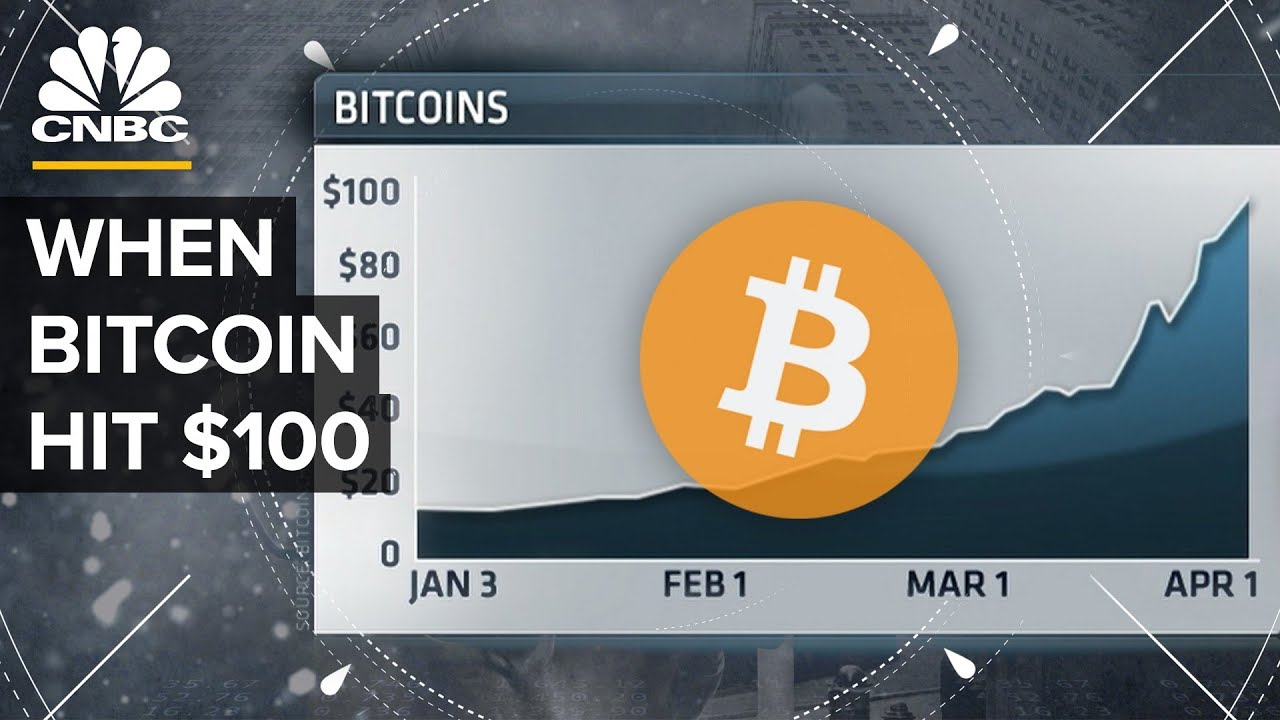
Mt. Gox was still operating. Satoshi was still a mystery. But the silence was gone. It would be replaced by noise that has never fully quieted since.
Why Bitcoin Nostalgia Still Matters
The reason I built this archive — the reason I write these long accounts of old forum threads and early miners and the pizza story — is not sentimentality for its own sake. It is because something essential about Bitcoin's origin story gets lost every time we reduce the history to a price chart. The human dimension disappears. The philosophy gets stripped away.
The genesis era produced a culture. A language, a set of values, a community that cared about something beyond financial gain. That culture is historically significant regardless of what any market does next. Bitcoin nostalgia is the practice of keeping that culture legible — of making sure the next generation can find the stories of Hal Finney and Laszlo Hanyecz and the anonymous figure who called themselves Satoshi Nakamoto.
The price will do what the price does. But the memory of the beginning belongs to us. And it is worth keeping.
FAQ: The Genesis Era Explained
What was Bitcoin like in the beginning?
In its earliest years, Bitcoin was almost entirely unknown outside a small circle of cryptographers, cypherpunk activists, and technical developers. There were no mainstream exchanges, no mobile wallets, and no media coverage. The network was maintained by individuals running the software on home computers. The culture was intellectually dense and ideologically driven, focused on privacy, decentralization, and the technical problems of building a trustworthy digital currency.
Who were the early bitcoin adopters?
The earliest adopters were predominantly members of the cypherpunk movement, open-source software developers, and libertarian-leaning technologists who had been following ideas about digital cash for years before Bitcoin launched. Individuals like Hal Finney, Nick Szabo, and early Bitcointalk community members made up the first wave. Many were programmers who ran nodes and miners simply because they believed the infrastructure needed to exist.
What was the first bitcoin transaction?
The first transfer of bitcoin between two people occurred on January 12, 2009, when Satoshi Nakamoto sent 10 BTC to Hal Finney. The first documented real-world commercial transaction was completed on May 22, 2010, when programmer Laszlo Hanyecz paid 10,000 BTC to a fellow forum user in exchange for two large pizzas. That date is commemorated annually as Bitcoin Pizza Day.
Who is Satoshi Nakamoto?
Satoshi Nakamoto is the pseudonymous creator of Bitcoin and the author of the 2008 Bitcoin whitepaper. The identity behind the name remains unknown. Satoshi was actively involved in the Bitcoin community from 2009 through early 2011, after which they gradually handed off development responsibility and ceased all public communication. Multiple individuals have been proposed or have claimed the identity, but none have provided proof the broader community accepts as definitive.
What was the cypherpunk movement and how does it relate to Bitcoin?
The cypherpunk movement was a loosely organized collective of mathematicians, programmers, and privacy advocates active primarily from the late 1980s through the 1990s. They believed cryptographic tools were essential for protecting individual privacy in the digital age. Their mailing lists and manifestos produced foundational ideas about digital cash and anonymous communication that directly influenced Bitcoin. Key concepts including proof-of-work draw on cypherpunk-era research like Adam Back's Hashcash.
Keep the Memory Alive
If you found something in these pages that reminded you of why you first cared about Bitcoin — whether you were there in 2010 or you only discovered the story recently — then this archive did what it set out to do.
Bitcoin Nostalgia exists to preserve the human side of this history: the forum threads, the character sketches, the bittersweet stories of early miners who lost hard drives and developers who believed in something nobody else could see yet. Keeping this archive honest and alive takes time and care.
Support Bitcoin Nostalgia
Every satoshi helps keep the memory of the beginning alive — for the people who lived it and the people only now finding it for the first time.
bc1qu6v3m430v9ca0kxm3qk8cewcwukmfpf5rqakrj
— Angel, Founder & Chief Archivist, Bitcoin Nostalgia
Disclaimer: This article is a historical and cultural archive. Nothing in this publication constitutes financial advice, investment guidance, or price speculation. Bitcoin Nostalgia is a memory archive, not a financial publication. All historical references are based on publicly available records, archived forum posts, and documented community history. Sources include archived Bitcointalk threads, the original Bitcoin whitepaper, and records preserved through the Wayback Machine.