
There was a time when you could download a Bitcoin wallet, paste an address into a forum, and a stranger on the other side of the world would send you a few coins just because they believed in the idea.
No KYC. No compliance officer. No quarterly earnings call. Just code, cryptography, and the shared conviction that something important was happening.
That world is gone now. And for those who lived it, the bitcoin nostalgia is real, complex, and deeply bittersweet.
I am Angel Salvador Dominguez. I never mined a block. I never bought in, not in 2010, not in 2013, not ever during those early years. Personal financial struggles kept me on the sidelines. But I watched. I read every thread. I followed every debate. And I can tell you with certainty: the culture of early Bitcoin was unlike anything the internet had ever produced before or since.
This archive is an attempt to hold both worlds side by side. The wild, anarchic, beautiful chaos of the beginning. And the polished, regulated, institutionalized asset it has become. One does not cancel the other. But understanding the contrast is essential to understanding what was truly revolutionary about those early days.
Pillar Archive
The Genesis Era: A Comprehensive Guide to Bitcoin's Early Days and Technological Origins →For the full origin story, visit our main pillar archive covering Bitcoin's founding, the whitepaper, and the technology that started it all.
Related Cluster
What Defines the 'Good Old Days' of Bitcoin? A Look Back at the Era That Started It All →If you want to understand the emotional weight of that lost era, this companion piece explores precisely what made those early years feel so irreplaceable.
The Wild West Years: 2009 to 2013
A Forum, a Whitepaper, and a Handful of True Believers
On October 31, 2008, a person or group using the name Satoshi Nakamoto published the Bitcoin whitepaper to a cryptography mailing list. It was nine pages long. It proposed a peer-to-peer electronic cash system that required no central authority, no bank, no government approval.
Most people on that list dismissed it. A few did not.
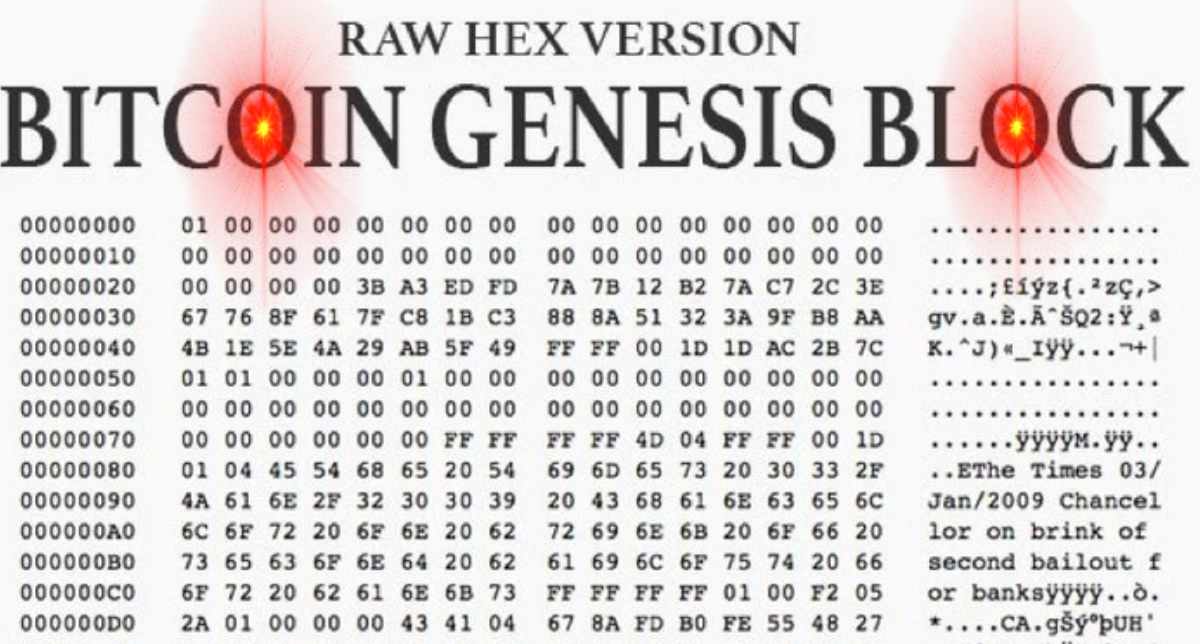
By January 2009, Satoshi had mined the Genesis Block, embedding a headline from The Times newspaper into the code: "Chancellor on brink of second bailout for banks." It was not an accident. It was a statement.
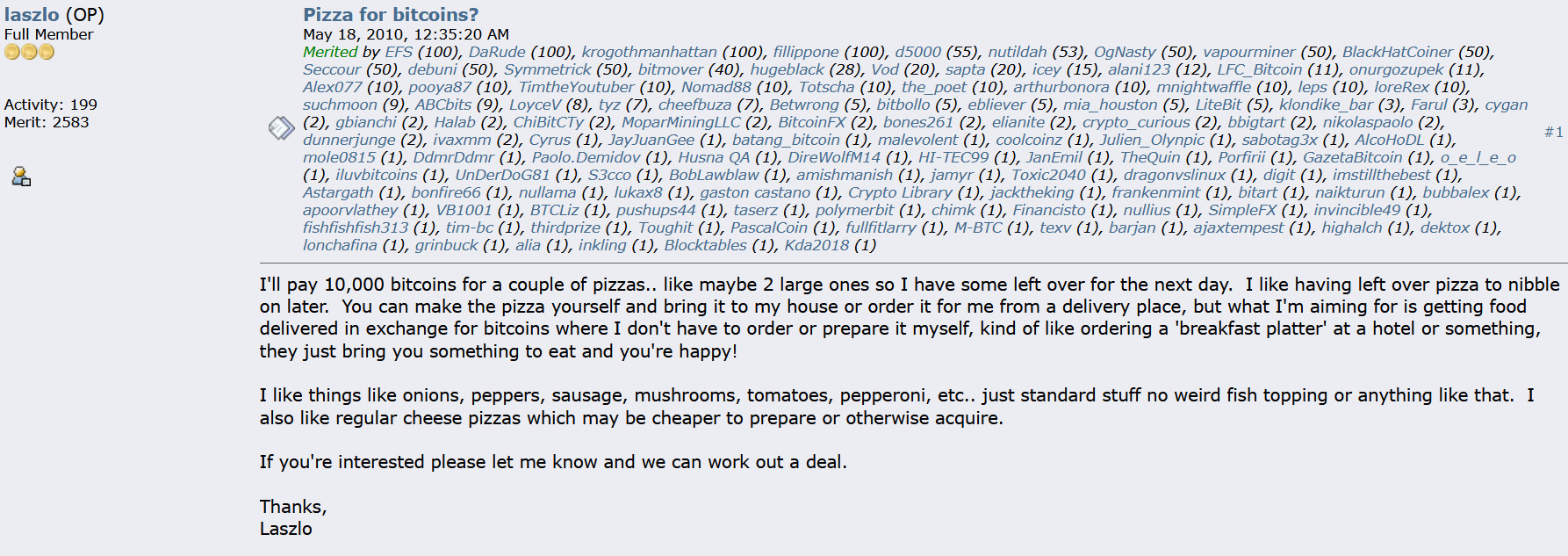
The earliest Bitcoin transactions had no price. Early bitcoin adopters were exchanging coins for pizza, for forum posts, for nothing at all. The famous 2010 transaction, in which programmer Laszlo Hanyecz paid 10,000 BTC for two Papa John's pizzas, has become legend not because of the math but because of what it represented: people were building real commerce on top of a fantasy that was quietly becoming real.
The bitcoin 2010 price hovered near fractions of a cent. Nobody was thinking about portfolio allocation. They were thinking about proof of concept.
Archive: The Pizza Transaction
Remembering the Pizza: A Bitcoin Nostalgia Look Back at the First Commercial Transaction →The story of Laszlo Hanyecz's 10,000 BTC pizza purchase is one of the most culturally significant moments in Bitcoin's early history. We have preserved the full archive here.
The Culture of Bitcointalk: Trust, Pseudonyms, and Raw Debate
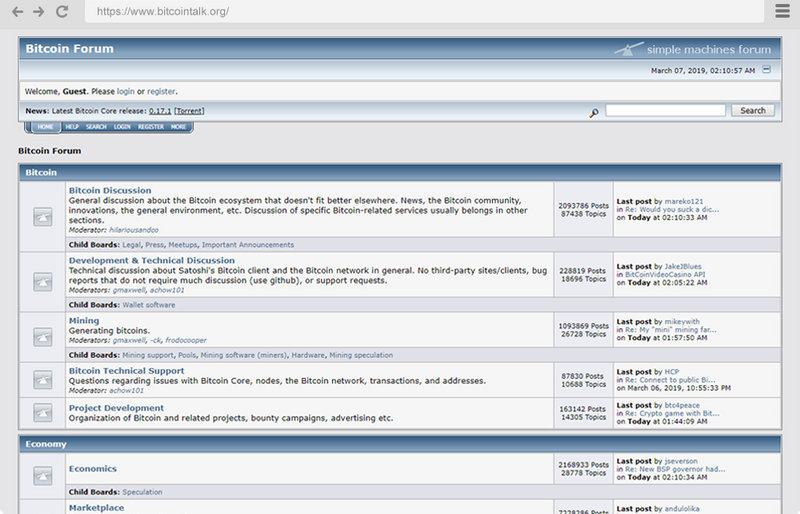
The hub of early Bitcoin culture was Bitcointalk, a forum launched by Satoshi Nakamoto himself in November 2009. It was ugly. It was text-heavy. It had the exact same energy as every passionate corner of the early internet, equal parts brilliant and chaotic.
People posted under pseudonyms. Debates raged about the block size, mining economics, and whether Bitcoin would ever be worth anything at all. There were true believers and there were skeptics, and both groups were passionate in ways that felt almost religious.
I spent hours on those threads in 2010 and 2011. Not as a participant. I was shy, financially struggling, and convinced I had nothing to contribute. But I read everything. The arguments about privacy. The arguments about scalability. The arguments about whether Satoshi himself could be trusted.
What strikes me most, looking back, is that nobody was there for quick money. They were there because the idea of a currency that no government could inflate or seize felt genuinely revolutionary. The motivation was ideological before it was financial.
The Ethos That Defined It: Cypherpunk, Decentralization, and Radical Trust
Where Bitcoin Came From Ideologically
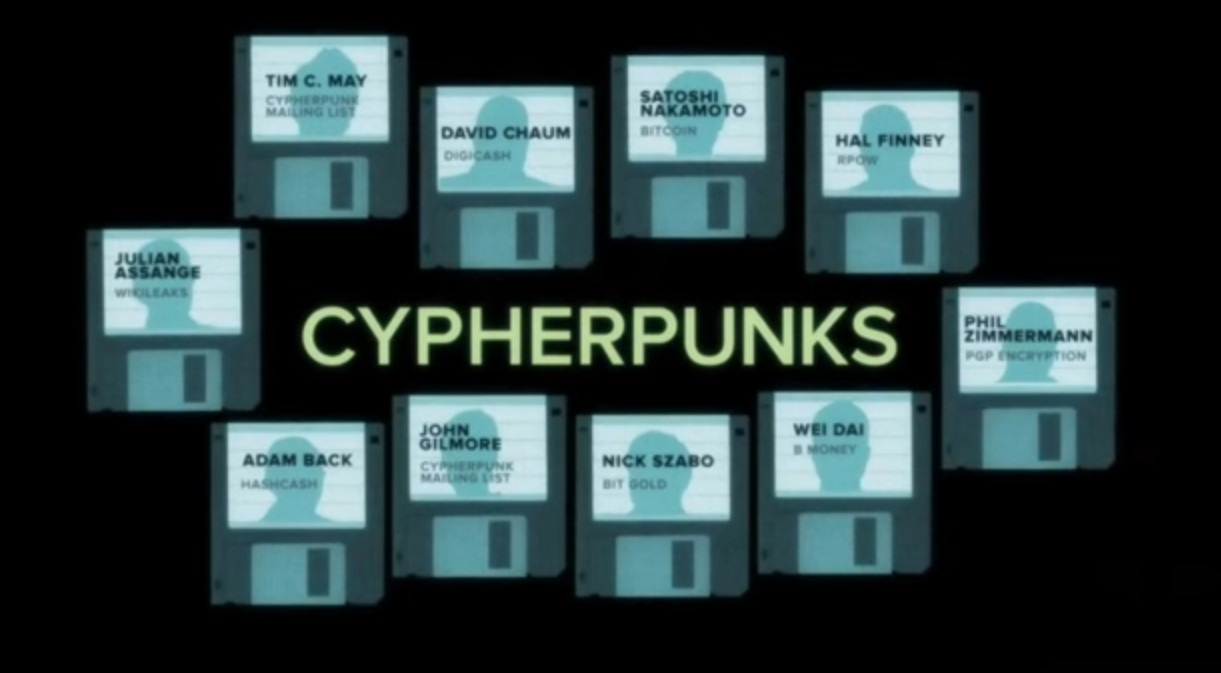
Bitcoin did not emerge from Silicon Valley venture capital. It emerged from the cypherpunk movement, a loose community of cryptographers, activists, and technologists who had been thinking about digital privacy and financial sovereignty since the late 1980s.
The cypherpunk mailing list, which ran from 1992, was where ideas like digital cash, anonymous transactions, and cryptographic identity were debated for years before Satoshi arrived. Names like David Chaum, Tim May, and Hal Finney were foundational to that conversation.
Satoshi Nakamoto's contribution was not just technical. It was the synthesis of years of cypherpunk philosophy into working, deployable code. The satoshi nakamoto early days were defined by this convergence: not just a new technology, but a new political and economic statement wrapped in cryptography.
Early adopters understood this context. They were not looking for a speculative asset. They were building an alternative financial system, one node at a time, one block at a time.
Archive: Hal Finney & The First Transaction
The First Bitcoin Transaction: The Day Satoshi Sent 10 BTC to Hal Finney and Changed Everything →Hal Finney, one of the cypherpunk movement's most important voices, received the very first Bitcoin transaction from Satoshi Nakamoto in January 2009. His story is essential to understanding what the early days truly meant.
The Ethics of the Early Community
The early community had its own informal code. You shared information freely. You helped newcomers set up wallets. You debated the technical merits of the protocol openly and sometimes brutally.
Scammers existed, certainly. The forums had their share of pump-and-dump schemes and outright fraud, even in the early days. But the dominant culture was one of open-source collaboration and ideological commitment.
When you asked what was Bitcoin like in the beginning, the honest answer is: it felt like an experiment run by enthusiasts, not a financial product managed by institutions. The difference in atmosphere was total.
The Moment the Wind Shifted: 2013 and the First Mainstream Panic
The 2013 Bull Run: The World Noticed
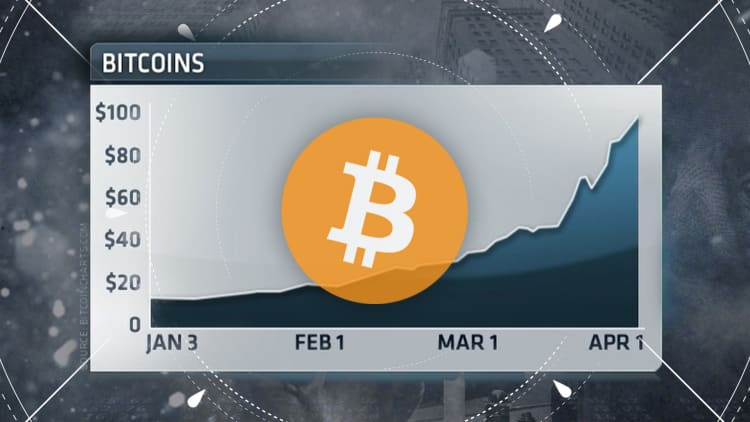
By early 2013, a single Bitcoin was worth around $13. By December of that same year, it had reached over $1,100 before crashing sharply.
I watched all of it from the sidelines. I remember the Reddit threads. I remember the mainstream media trying to explain Bitcoin to audiences who had never heard of it. CNN. Forbes. The New York Times. Each article was a mixture of fascination and barely concealed panic.
The Silk Road, the dark web marketplace that had been using Bitcoin as its primary currency since 2011, was shut down by the FBI in October 2013. The event was used as evidence of everything Bitcoin's critics had been saying. It was also the moment that proved Bitcoin's pseudonymous network was more traceable than people had assumed.
The culture shifted visibly after 2013. New entrants arrived who had no connection to the cypherpunk ethos. They came because they had read a news article about overnight millionaires. The forums changed in tone. The pure idealism did not disappear, but it had to share space with speculation and noise.
Archive: The Silk Road
Remembering Silk Road: The Dark Side of Early Bitcoin Adoption and the Legend of Dread Pirate Roberts →The Silk Road's rise and fall is inseparable from Bitcoin's 2013 cultural moment. This archive documents the full story of the marketplace that defined a chapter of Bitcoin's most controversial era.
Mt. Gox: When the Movement Felt Fragile
If 2013 was the moment the outside world discovered Bitcoin, then February 2014 was the moment the movement discovered its own fragility.
Mt. Gox, the Tokyo-based exchange that handled the majority of global Bitcoin transactions at its peak, filed for bankruptcy. Approximately 850,000 Bitcoin had vanished, lost to what the exchange described as a long-running hacking operation. At the prices of that era, the loss was staggering.
The forums went quiet in a different way than usual. People were not just losing money. People who had trusted an early institution of the Bitcoin world had been let down by it. The human stories from that era, the miners who had saved up, the early adopters who had deposited their holdings, were devastating to read.
I had nothing to lose financially. But I grieved for the idea. For the first time, Bitcoin felt breakable. That feeling was its own kind of education.
The Mt. Gox collapse is sometimes misremembered as Bitcoin's death. It was not. It was Bitcoin's adolescence. The painful, public, messy kind that leaves scars and teaches hard lessons.
Archive: The Mt. Gox Collapse
When the Archive Burned: The Impact of Mt. Gox on Early Bitcoin User Sentiment and Bitcoin Nostalgia →The full story of how the Mt. Gox collapse reshaped the emotional landscape of the early community, and why its shadow still falls across the culture to this day.
The Institutional Era: 2020 to Today
Wall Street Comes to the Party
The transformation from cultural experiment to institutional asset did not happen overnight. It happened in stages through the 2015 to 2019 period as exchanges matured, regulatory frameworks began to take shape, and companies started building financial infrastructure on top of the Bitcoin network.
But the clearest signal came in 2020 and 2021, when publicly traded companies began adding Bitcoin to their corporate balance sheets, when PayPal enabled Bitcoin purchases for its hundreds of millions of users, and when discussions about Bitcoin exchange-traded funds entered mainstream financial media.
By the time the first Bitcoin spot ETF was approved by the U.S. Securities and Exchange Commission in January 2024, the transformation was complete. Bitcoin was no longer the currency of cypherpunks and idealists. It was a regulated, tradeable, institutionally recognized asset class.
The irony is not lost on the people who were there at the beginning. Satoshi Nakamoto embedded that "second bailout for banks" headline into the Genesis Block as a critique of the centralized financial system. And now the centralized financial system has absorbed Bitcoin into its structure, listed it on ETFs, and integrated it into portfolio management software.
What Was Gained. What Was Lost.
The institutional era brought legitimacy. It brought billions of dollars in infrastructure investment. It brought protections for new users that simply did not exist in the early days, when losing access to your wallet meant losing everything with no recourse.
It also brought something the early community actively did not want: gatekeepers.
Know-your-customer verification. Exchange compliance requirements. Tax reporting. The pseudonymous, borderless, permission-less quality that made early Bitcoin feel like a genuine alternative to the traditional financial system is now substantially diminished in the regulated ecosystem that surrounds it.
This is not a political statement. It is simply the historical record. The trade-offs are real. The early adopters who lived through the transition understand this better than anyone.
Holding Both Truths: A Note From the Sidelines
I am not bitter about where Bitcoin ended up. I am fascinated by it.
The arc of a technology from fringe experiment to global institution is genuinely rare. Most radical ideas get absorbed, diluted, or destroyed. Bitcoin absorbed, yes. Diluted in certain philosophical senses, yes. But it survived. It persisted. The network kept running through every crisis, every crash, every moment of existential doubt.
What I feel, sitting with these memories, is something close to what a documentary filmmaker feels when looking at archival footage. There is beauty in what was. There is value in preserving it. And there is something important in making sure that the people who were there are not forgotten behind the charts and the price tickers.
The cypherpunks who argued on mailing lists in the 1990s mattered. Hal Finney, who received the first Bitcoin transaction from Satoshi himself in 2009 before passing away in 2014, mattered. The anonymous forum posters who ran nodes from laptops in dorm rooms mattered.
Bitcoin nostalgia is not sentimentality. It is historical preservation. And that is what this archive is for.
Frequently Asked Questions
What was the bitcoin 2010 price, and why does it matter culturally?
In 2010, Bitcoin traded at fractions of a cent for much of the year, reaching approximately $0.08 by mid-year. The price matters culturally because it reveals the mindset of early adopters: they were not buying a speculative asset at a recognized market price. They were exchanging a new form of digital currency with no guaranteed future, driven by ideology and curiosity rather than financial calculation.
Who were the early bitcoin adopters, and what motivated them?
Early adopters came primarily from the cypherpunk and open-source software communities. They were cryptographers, programmers, libertarians, and privacy advocates who believed in Satoshi Nakamoto's vision of a decentralized, permission-less financial system. The motivation was overwhelmingly ideological before it was financial.
What was Satoshi Nakamoto like in the early days of Bitcoin?
In the satoshi nakamoto early days, Nakamoto was an active participant in the Bitcointalk forum and communicated regularly via email with early contributors. Nakamoto responded to technical criticisms, fixed bugs, and engaged with the community in a thoughtful, measured way. Then, in April 2011, Nakamoto handed off the project to developer Gavin Andresen and quietly disappeared. No verified contact has been made since.
What was Bitcoin like in the beginning compared to now?
The clearest answer to what was bitcoin like in the beginning is: informal, ideological, and community-driven. There were no centralized exchanges with compliance teams, no corporate balance sheets, and no ETFs. Bitcoin was software run by volunteers, discussed on forums by pseudonymous users, and exchanged between strangers who shared a common vision. The contrast with today's regulated, institutionalized ecosystem is almost total.
Why is preserving early Bitcoin culture important?
Because the human stories behind the technology risk being erased by the financial story that now surrounds it. Understanding what early adopters believed, what they argued about, what they feared and hoped for, gives the technology its full historical context. Financial metrics alone cannot capture what it meant to run a node in 2010 or to read Satoshi's final forum post in 2011.
Help Keep This Memory Alive
The archives in these pages are built on time, care, and the belief that the human history of Bitcoin deserves more than a footnote in a price chart.
If this record matters to you, whether you were there in the early days or you are discovering this history for the first time, consider helping preserve it.
Keep This Archive Alive
Bitcoin Nostalgia runs on memory and community support. Every satoshi helps keep the archive running and the stories alive. Thank you for reading. Thank you for remembering.
bc1qu6v3m430v9ca0kxm3qk8cewcwukmfpf5rqakrj
Keep the memory alive.
Angel
Founder & Chief Archivist, Bitcoin Nostalgia
bitcoinnostalgia.org
Disclaimer: This article is a historical and cultural archive. Nothing in this publication constitutes financial advice, investment guidance, or price speculation. Bitcoin Nostalgia is a memory archive, not a financial publication. All historical references are based on publicly available records, archived forum posts, and documented community history. Sources include the Bitcoin whitepaper, Bitcointalk.org archives, the Mt. Gox Wikipedia entry, and the Wayback Machine.