It was 2010, and most people had never heard the word "wallet" used in the way a small group of coders used it on a forum called Bitcointalk.
There were no apps. No slick interfaces. No institutional dashboards. There was Bitcoin-Qt, a clunky desktop program, a string of characters that meant everything, and the quiet certainty among a few thousand people that something permanent had just been written into the universe.
The problem is, most of that is gone now. The wallets are orphaned on crashed hard drives. The forum threads are buried behind years of noise. The transaction data sits on the blockchain like a message in a bottle, readable but without context. The bitcoin nostalgia that pulls so many of us back to those early years is real, and it deserves more than a price chart.
This is the archive of the tools that let you actually see it. The explorers, the reconstructors, the interactive maps of an early digital economy that almost no one was watching.
What Does an Early Bitcoin Wallet Actually Look Like?
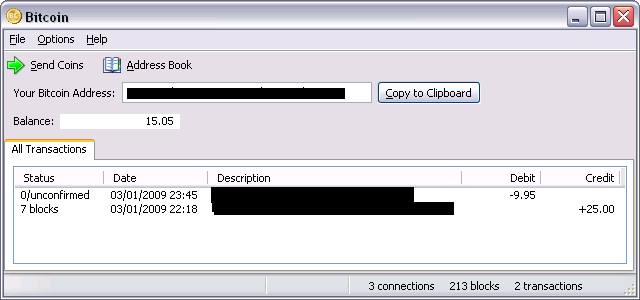
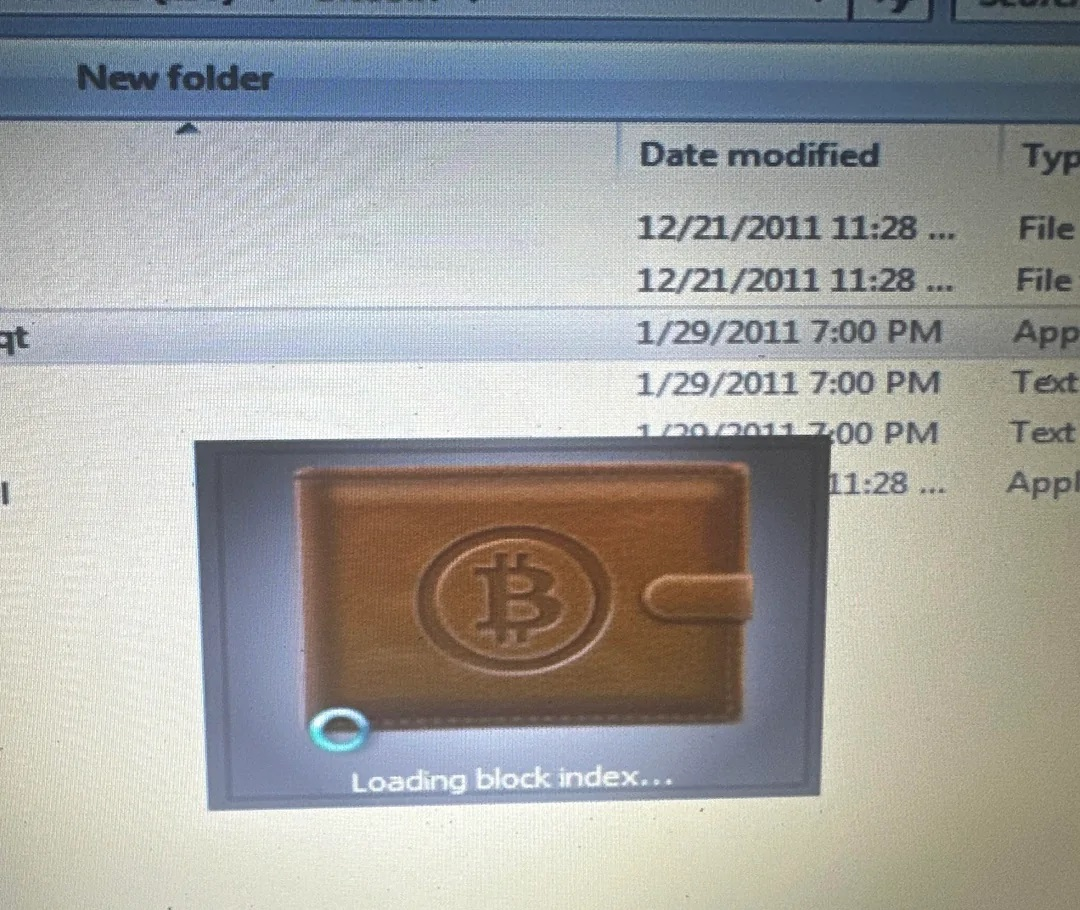
Most people who discover Bitcoin today see a mobile app. A clean interface. A QR code. They have no reference point for what it looked like to run Bitcoin-Qt on a Windows XP machine in 2010, watching the block counter tick upward as your node synced with a network that was, at that moment, smaller than a suburban town.
The original Bitcoin-Qt client, released by Satoshi Nakamoto as the very first Bitcoin software, was sparse by design. It showed your balance. It showed incoming and outgoing transactions. It let you send coins by pasting a public address into a text box. That was it.
There was no seed phrase backup flow. No two-factor authentication prompt. No reminder to write down your private key. If you closed the program and your wallet.dat file was gone, your coins were gone. Not locked. Not recoverable. Gone.
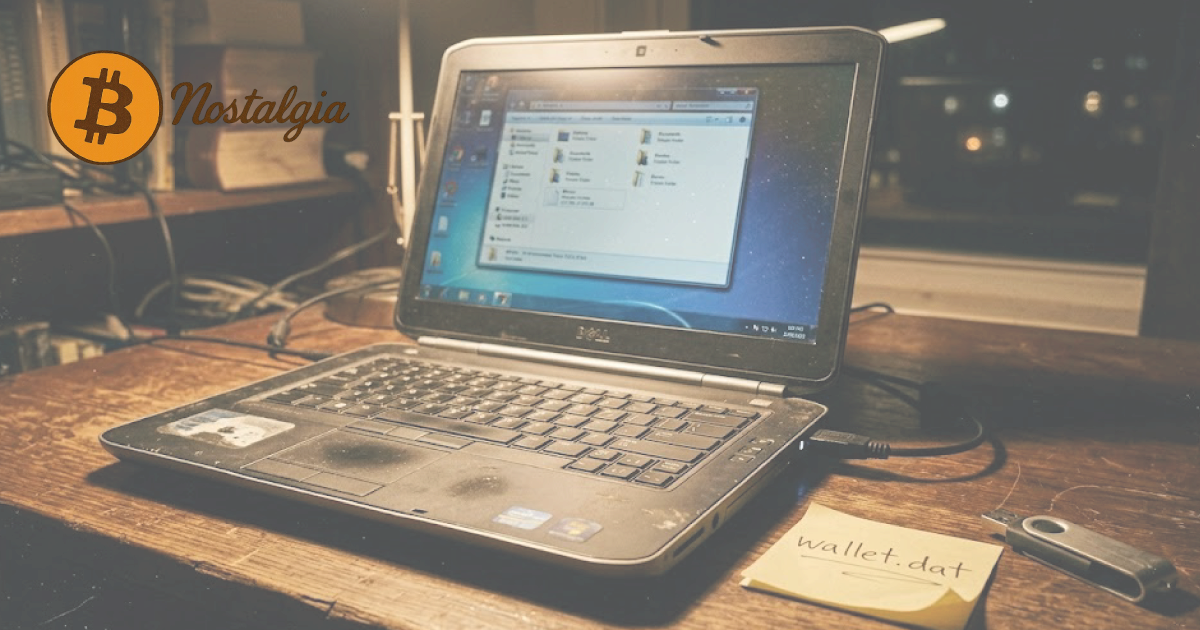
The wallet.dat File: The Most Important Text File in History
The wallet.dat file is where early Bitcoin lived. A simple database file, usually sitting in the default application directory on Windows or Linux. It held your private keys, your transaction history, and your addresses.
Tens of thousands of them were deleted, corrupted, or lost to failed hard drives between 2009 and 2013. The story of early bitcoin adopters is, in large part, the story of people who had that file and did not realize what it meant.
Today, tools like the Wayback Machine archive of Bitcointalk and reconstructed Bitcoin-Qt interfaces allow historians and nostalgia hunters to see exactly what that experience looked like.
You can explore a preserved version of that original interface by visiting bitcoin.org and reviewing the archived client history, or by searching the Bitcointalk archive on the Wayback Machine for threads where early users posted screenshots of their wallets in those first years.
Pillar Archive
Forgotten Fortunes: The Complete History of Early Bitcoin Wallets, Exchanges, and Lost Keys →For the full story of what those wallets held, where they went, and the extraordinary lengths people have gone to recover them, this is the definitive archive on the subject.
Reading the Blockchain Like a History Book
The Bitcoin blockchain is a public ledger. Every transaction ever made is recorded there, permanently, in order. That means the first bitcoin transaction ever sent is still there, readable by anyone, right now.
On January 12, 2009, Satoshi Nakamoto sent 10 Bitcoin to Hal Finney. Transaction ID: 4a5e1e4baab89f3a32518a88c31bc87f618f76673e2cc77ab2127b7afdeda33b. It is the anchor point of an entire movement. You can look it up in any Bitcoin block explorer and see it yourself, unchanged, exactly as it was recorded sixteen years ago.
Related Archive
The First Bitcoin Transaction: The Day Satoshi Sent 10 BTC to Hal Finney and Changed Everything →The full story of that January 12, 2009 transfer and why it remains the most historically significant transaction on the entire blockchain.
The Tools That Make Old Data Human Again
Raw blockchain data is numbers and hashes. It takes tools to translate that data into something a person can actually read and feel. Several of those tools have become essential for anyone serious about bitcoin nostalgia and the historical record.
Blockchain.com Explorer and Mempool.space are among the most widely used today. They allow you to search any Bitcoin address or transaction ID and see the full history, including the date, the amount, and the current status of the funds.
But the most fascinating use of these tools is not tracking modern transactions. It is looking up the oldest ones. The addresses that received coins in the genesis block era. The wallets that moved coins once in 2010 and then went silent for a decade. The strange, lonely addresses holding thousands of Bitcoin that have never moved.
Blockchain historians have documented many of these early addresses. Researcher Sergio Lerner, who analyzed Satoshi's probable mining activity in a 2013 report, estimated that Satoshi's original addresses may hold close to one million Bitcoin. None of those coins have moved. You can verify this by searching the earliest block rewards on mempool.space and watching the last-activity timestamps stay frozen in 2009.
The Bitcoin 2010 Price and Why the Numbers Tell a Human Story
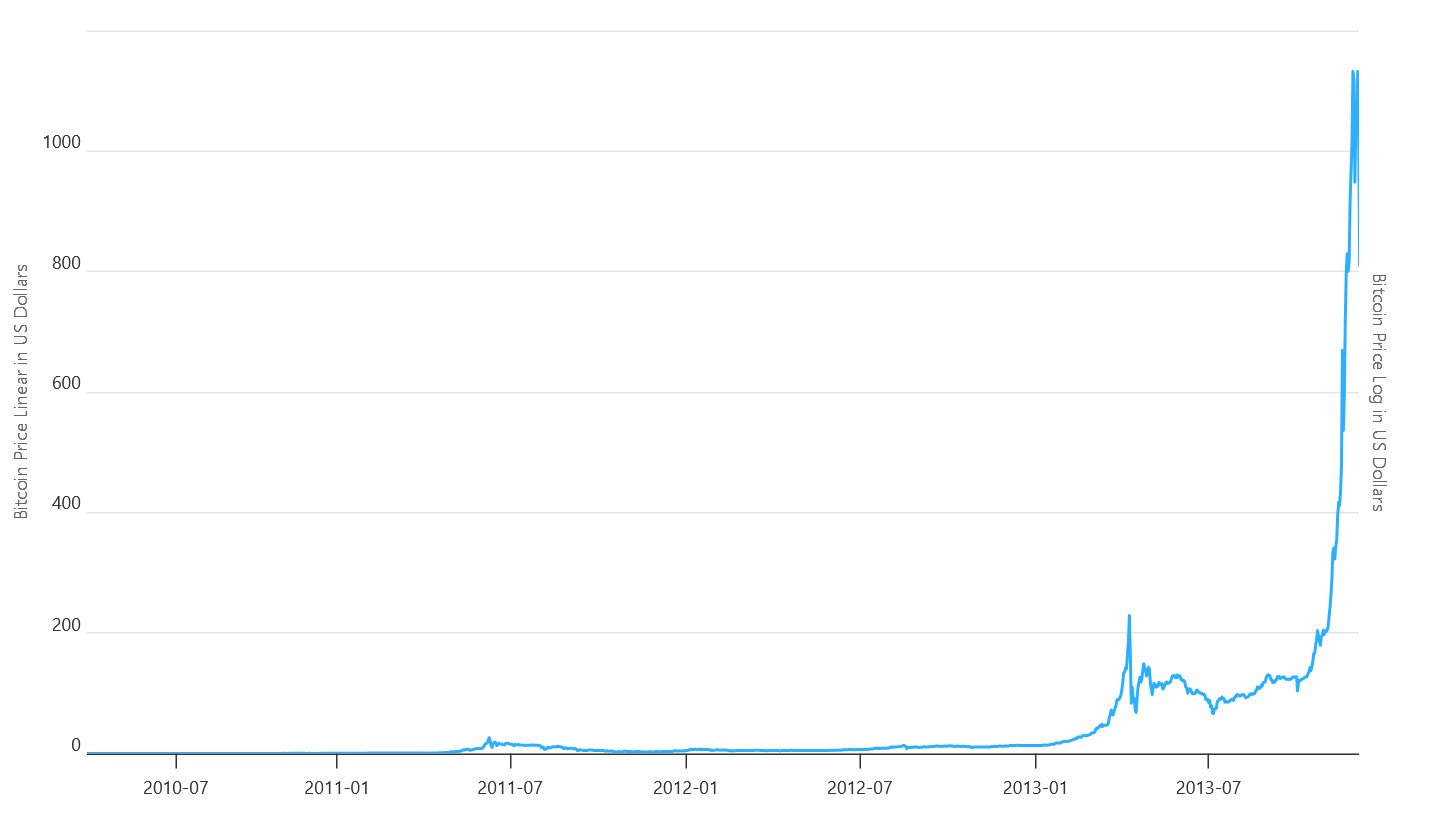
Talking about the bitcoin 2010 price is not about speculation. It is about understanding what the people who were there were actually experiencing, in real time.
In May 2010, Laszlo Hanyecz famously purchased two pizzas for 10,000 Bitcoin, a transaction later celebrated every year on May 22nd as Bitcoin Pizza Day. At that moment, the implied price of a single Bitcoin was roughly $0.0025. The blockchain record of that transaction still exists and is publicly viewable.
Related Archive
Remembering the Pizza: A Bitcoin Nostalgia Look Back at the First Commercial Transaction →The full archive of Bitcoin Pizza Day, the man behind it, and why that single forum post became one of the most referenced moments in Bitcoin's cultural history.
By February 2011, Bitcoin reached parity with the US dollar for the first time. For the people on Bitcointalk who had been mining and trading since 2009, that moment was electric. Forum threads exploded. People posted single-word replies. "Finally." "One dollar." "It is real."
By June 2011, the price had climbed to $31 before crashing back to $2. That was the first real bubble and the first real crash. For early bitcoin adopters who had watched from the forums, it was confirmation that this thing had emotions, cycles, and consequences.
These are not trading lessons. They are historical records. They are the price of a cultural moment, written into a ledger that no government controls and no company can delete.
Interactive Archaeology: Tools for Exploring the Old Network
The Tools Worth Knowing
For anyone who wants to go deeper into the history, the following tools have become the primary instruments of Bitcoin archaeology.
Mempool.space offers an open-source block explorer with clean visualization of historical blocks. You can navigate backward through the chain to the earliest blocks and see the original coinbase transactions from 2009 and 2010.
OXT.me, developed by the Samourai Wallet research team, visualizes transaction graphs and wallet clustering, letting you see how coins flowed through the network in its early years. It is less a financial tool than a historical map.
The Wayback Machine at archive.org holds snapshots of early Bitcoin websites, forums, and wallet documentation going back to 2009. For cultural archaeology, it is irreplaceable.
The Joe Grand Story: When Archaeology Becomes a Rescue Mission
Sometimes the history of old wallets is not just about looking. Sometimes it is about recovering.
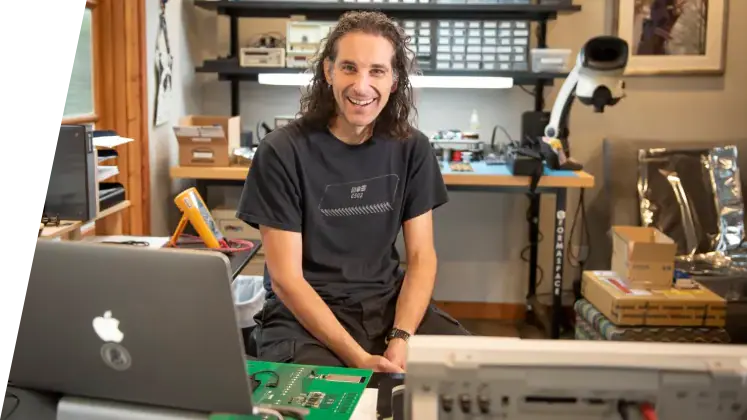
In one of the most remarkable recent chapters in Bitcoin memory, hardware hacker Joe Grand managed to recover access to a long-locked Bitcoin wallet by reverse engineering an old password manager's random number generator. The full story, which is as much about obsession and technical craft as it is about Bitcoin, is documented in our archive.
Related Archive
The Man Who Hacked Time: Joe Grand, a Lost Bitcoin Wallet, and the Bitcoin Nostalgia of Almost Losing It All →It is one of the few cases where the past was actually recovered rather than just remembered. A story about patience, obsession, and what it means to hold a piece of early Bitcoin history.
Why Preserving This Visual History Matters
I remember sitting in front of my monitor in 2012, reading a Bitcointalk thread where someone was describing their wallet setup in pure technical detail, talking about directory paths and backup routines like they were maintaining a garden. It was meticulous. It was earnest. It was completely unlike the world that came later.
That culture, that careful, nerdy, idealistic culture of the early network, is what bitcoin nostalgia is really about. Not the prices. Not the charts. The people who cared enough to be methodical before there was any financial reason to be.
The interactive tools that let us visualize old wallets and historical transaction data are not novelties. They are the primary instruments we have for keeping that culture visible.
Every time someone looks up a 2010 transaction on a block explorer and realizes they are reading a record that cannot be altered, they are touching something the early community built out of pure conviction.
That is worth preserving. That is what this archive is for.
Frequently Asked Questions
What was the first Bitcoin transaction ever recorded?
The first Bitcoin transaction was included in the genesis block on January 3, 2009, when Satoshi Nakamoto mined the first 50 Bitcoin as a coinbase reward. The first peer-to-peer transaction was sent from Satoshi to developer Hal Finney on January 12, 2009. Both transactions are permanently visible on the Bitcoin blockchain and can be looked up by their transaction IDs on any public block explorer.
What did early Bitcoin wallets look like and how were they used?
Early Bitcoin wallets ran primarily through Bitcoin-Qt, the original desktop client released by Satoshi Nakamoto. The interface was minimal: a balance display, a transaction list, and a send/receive function. All keys were stored in a local wallet.dat file with no automatic backup. Many early adopters lost their coins simply because that file was deleted, overwritten, or lost to hard drive failure.
What was the Bitcoin price in 2010?
In 2010, Bitcoin had no official market price for most of the year. The famous Bitcoin Pizza Day transaction in May 2010 implied a value of roughly $0.0025 per coin. By late 2010, small exchanges like Mt. Gox had established prices in the range of $0.06 to $0.30. These figures are historical context for understanding the culture of that era, not investment reference points.
Can I still see original Bitcoin transactions from 2009 and 2010?
Yes. The Bitcoin blockchain is permanent and publicly readable. Every transaction ever made, including Satoshi's earliest coinbase rewards and the first peer-to-peer transfer to Hal Finney, is visible on public block explorers such as Mempool.space or Blockchain.com. You can search by transaction ID or block number and view the complete historical record.
Are there tools to visualize the early Bitcoin network and wallet activity?
Several tools exist for exploring Bitcoin's historical data. Mempool.space allows block-by-block navigation back to the genesis era. OXT.me visualizes transaction graphs and coin flow. The Wayback Machine at archive.org holds snapshots of original Bitcoin client interfaces and early forum documentation. Together, these form the primary toolkit for Bitcoin historical research.
Help Keep This Memory Archive Alive
If these stories matter to you, if you remember the forums, the wallets, the first time you saw a blockchain explorer and understood what it meant, then you already know why this archive exists.
Bitcoin Nostalgia is built without ads, without affiliate deals, and without a financial agenda. It runs on the same conviction the early community ran on: that some things are worth preserving for their own sake.
If you want to support the archive and help ensure these stories do not disappear the way so many early wallets did, a small Bitcoin donation keeps the lights on and the records growing.
Keep This Archive Alive
Every satoshi contributed is a vote for memory over forgetting. Bitcoin Nostalgia runs on community support. Thank you for reading. Thank you for remembering.
bc1qu6v3m430v9ca0kxm3qk8cewcwukmfpf5rqakrj
Keep the memory alive.
Angel
Founder & Chief Archivist, Bitcoin Nostalgia
bitcoinnostalgia.org
Disclaimer: This article is a historical and cultural archive. Nothing in this publication constitutes financial advice, investment guidance, or price speculation. Bitcoin Nostalgia is a memory archive, not a financial publication. All historical references are based on publicly available records, archived forum posts, and documented community history. Sources include the Bitcoin whitepaper, Bitcointalk.org archives, the Bitcoin Wikipedia entry, and the Wayback Machine.